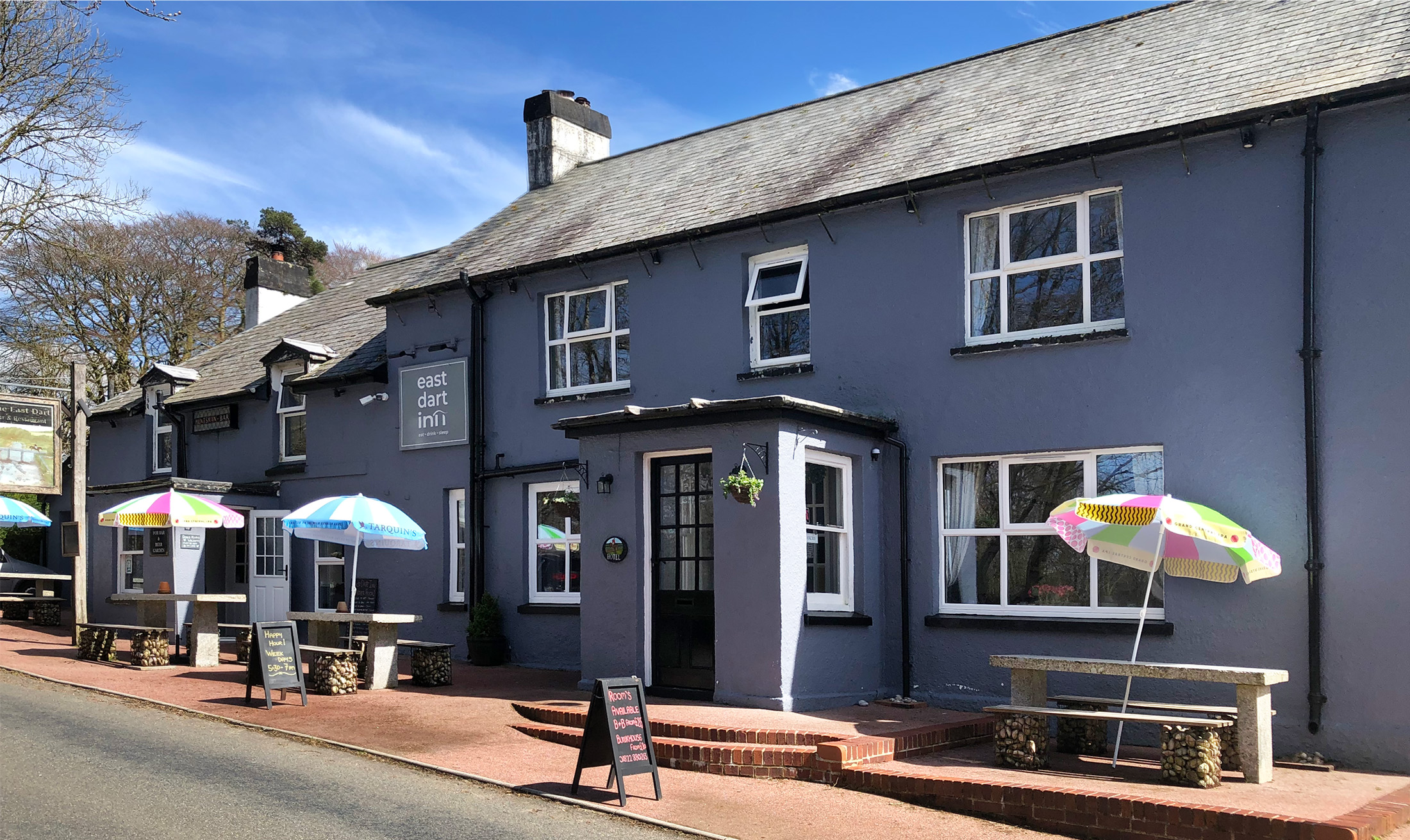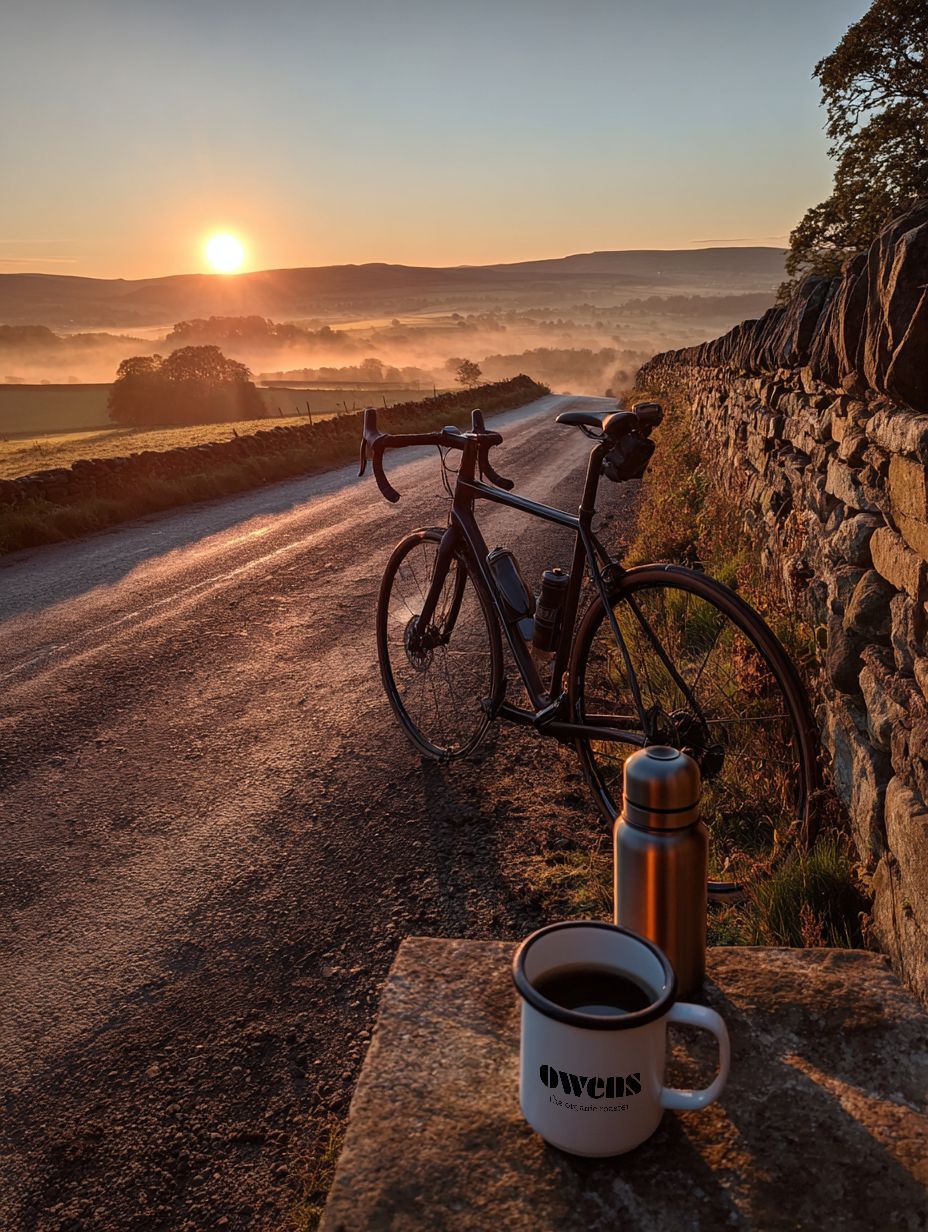
Winter changes the rhythm of a Dartmoor walk. Frost picks out the edges of granite tors, clouds race across open ground, and familiar paths become softer, wetter and occasionally harder to follow. There is pleasure in the quieter season: a flask opened behind a sheltered rock, low sunshine on rough grass, and the promise of a pub afterwards. The trick is to plan for the moor as it is today, not as you remember it in July.
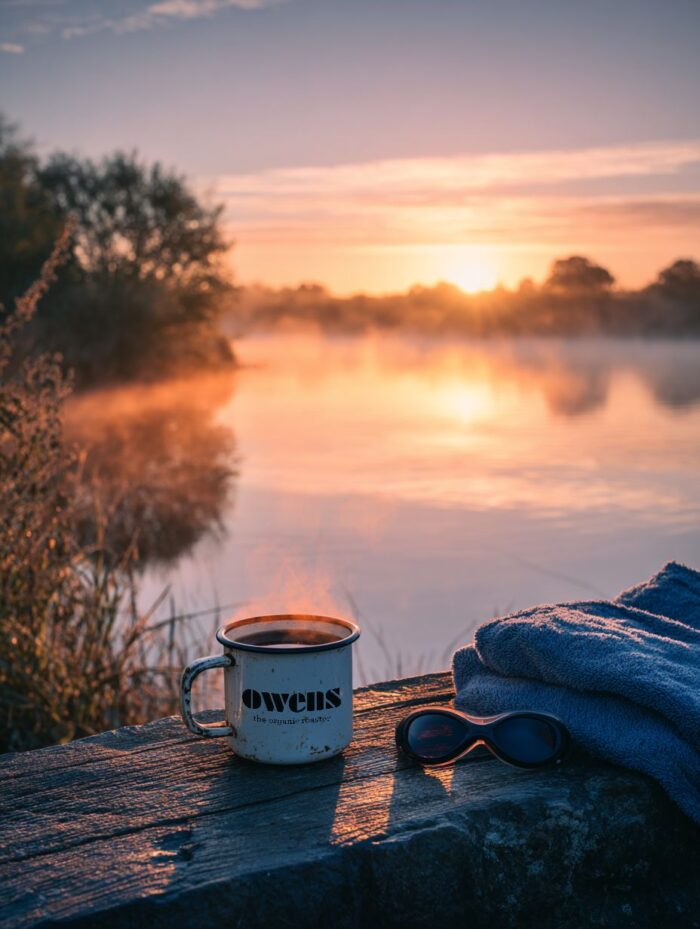
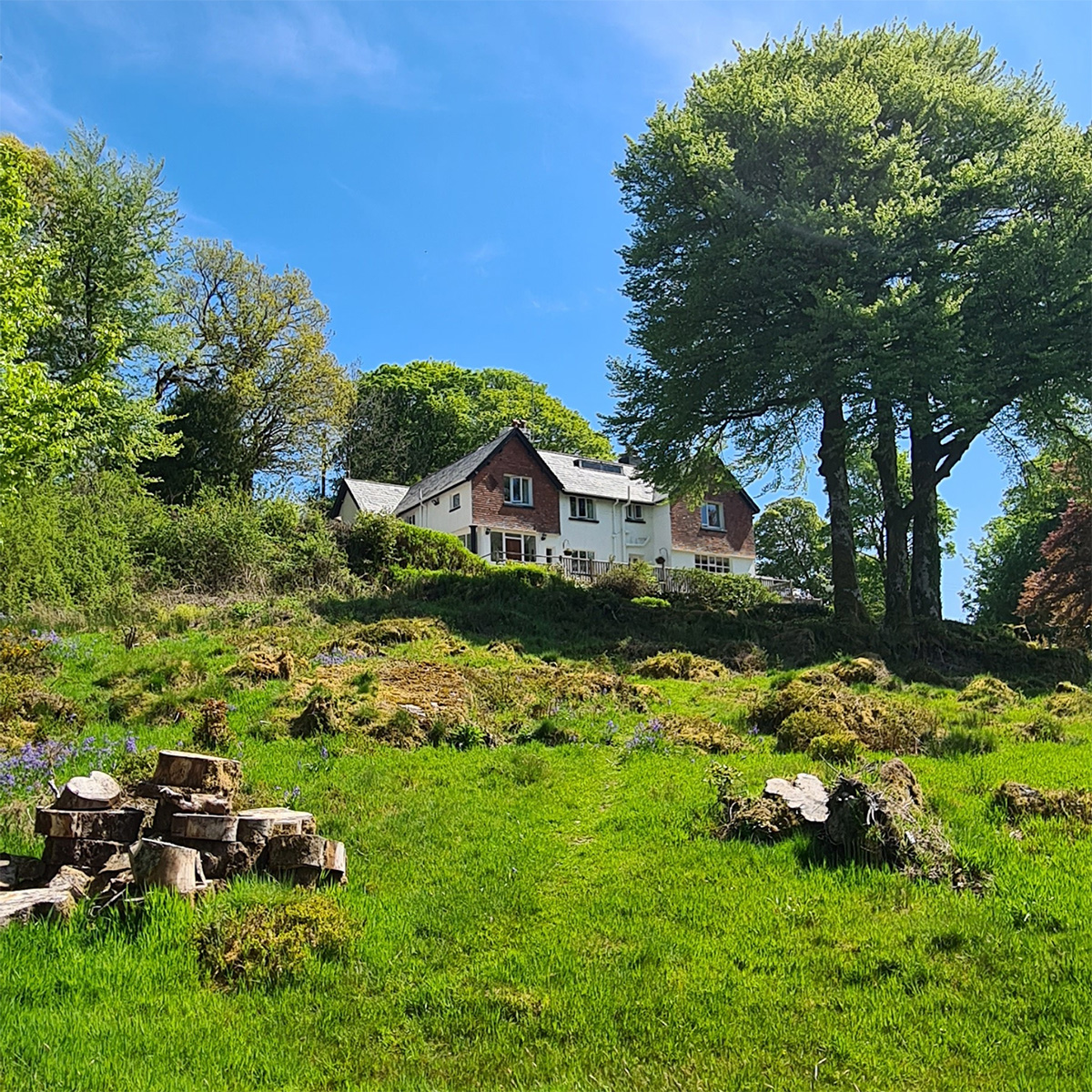
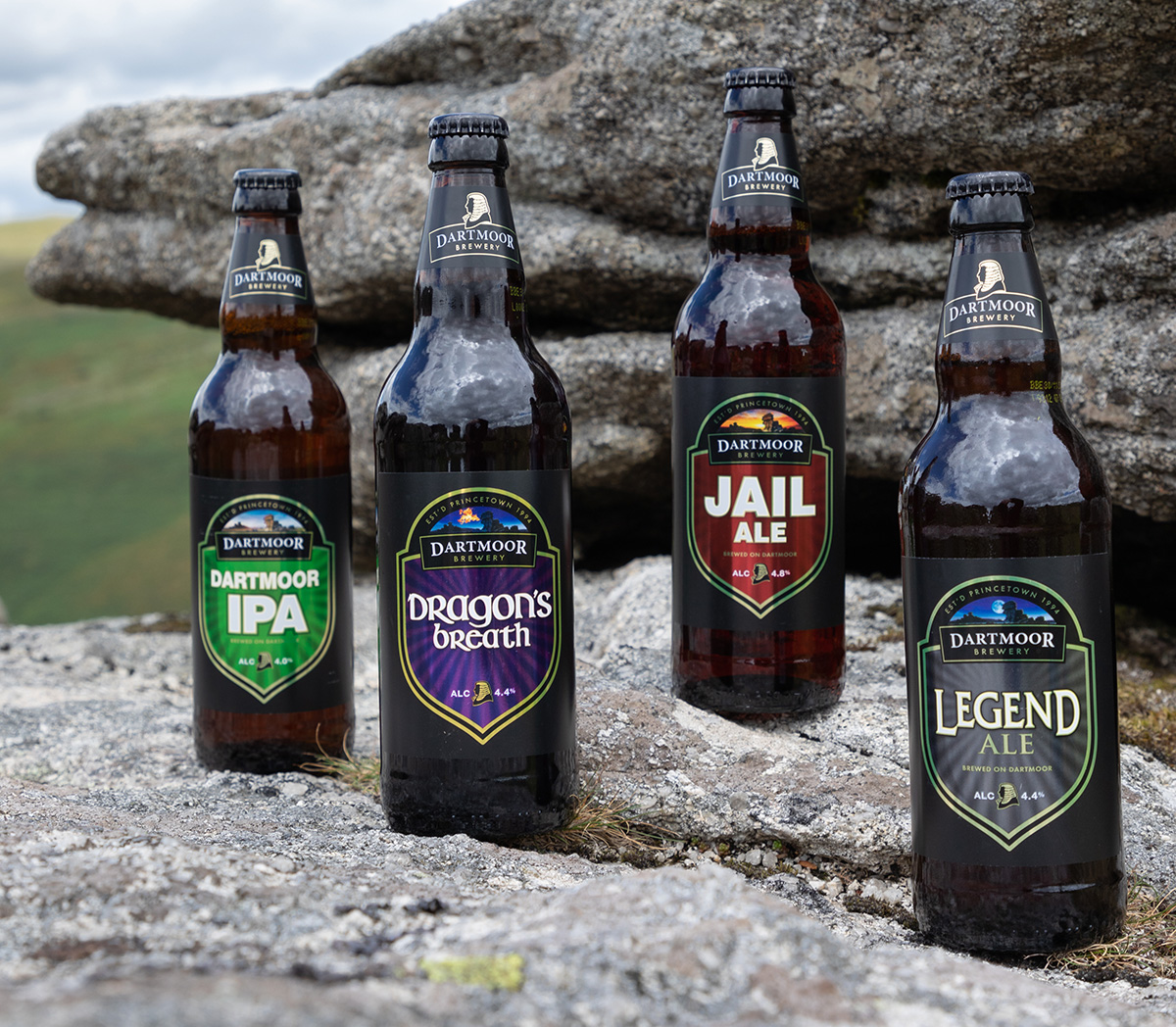
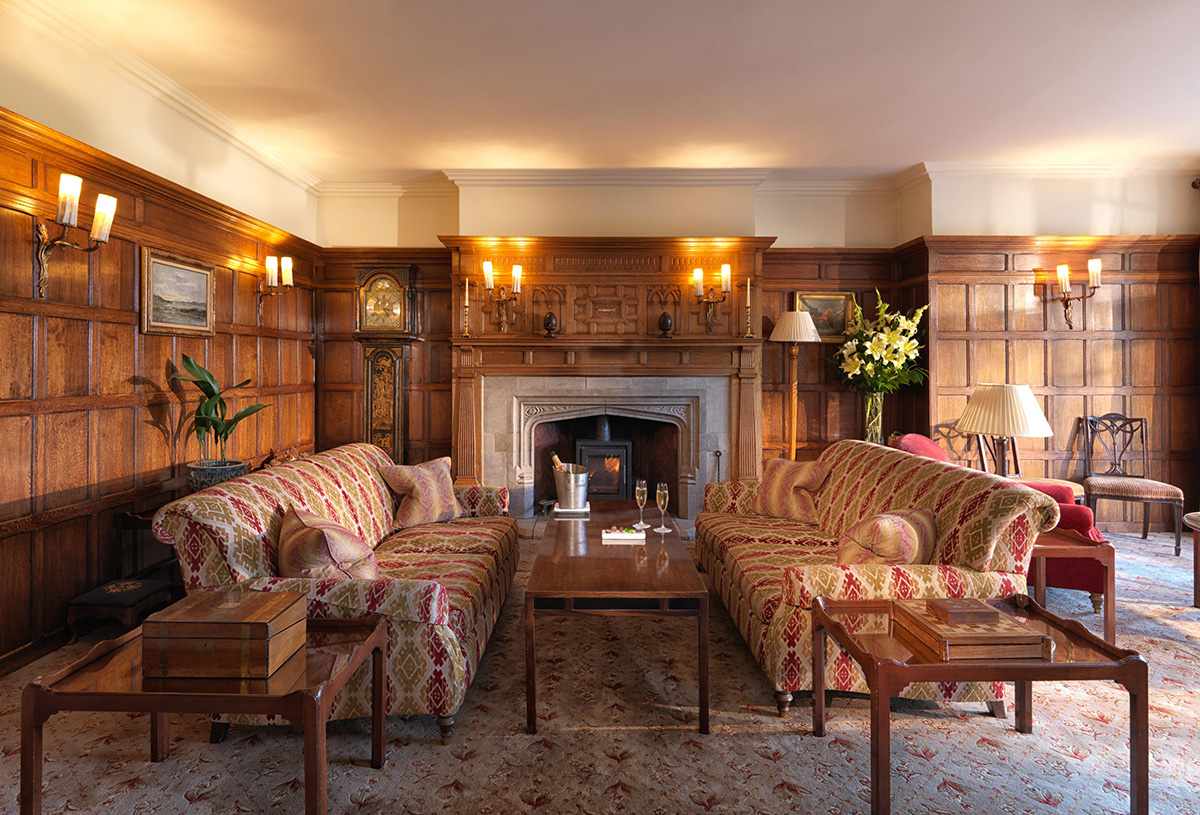
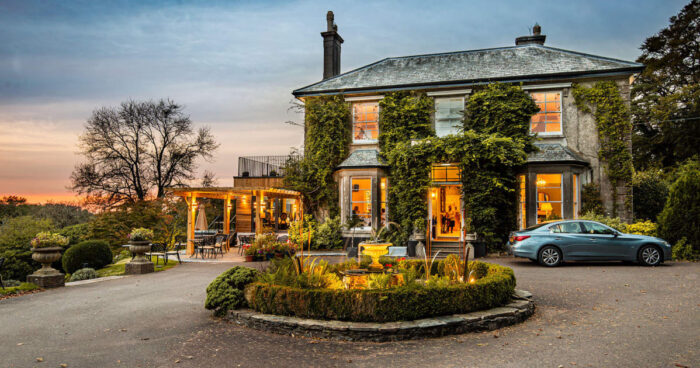
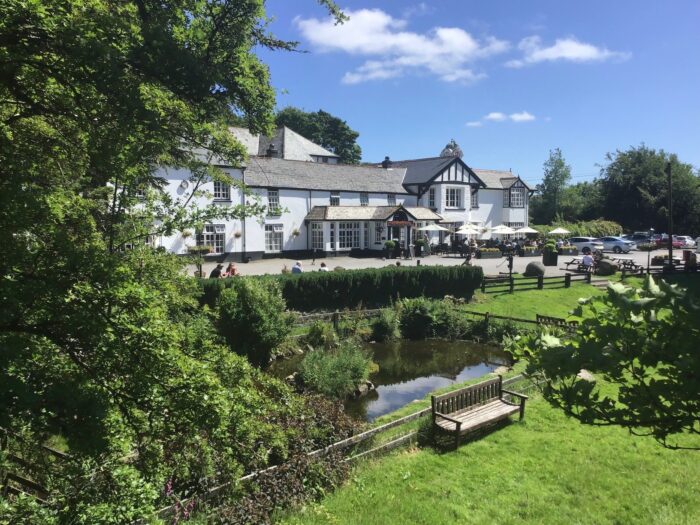
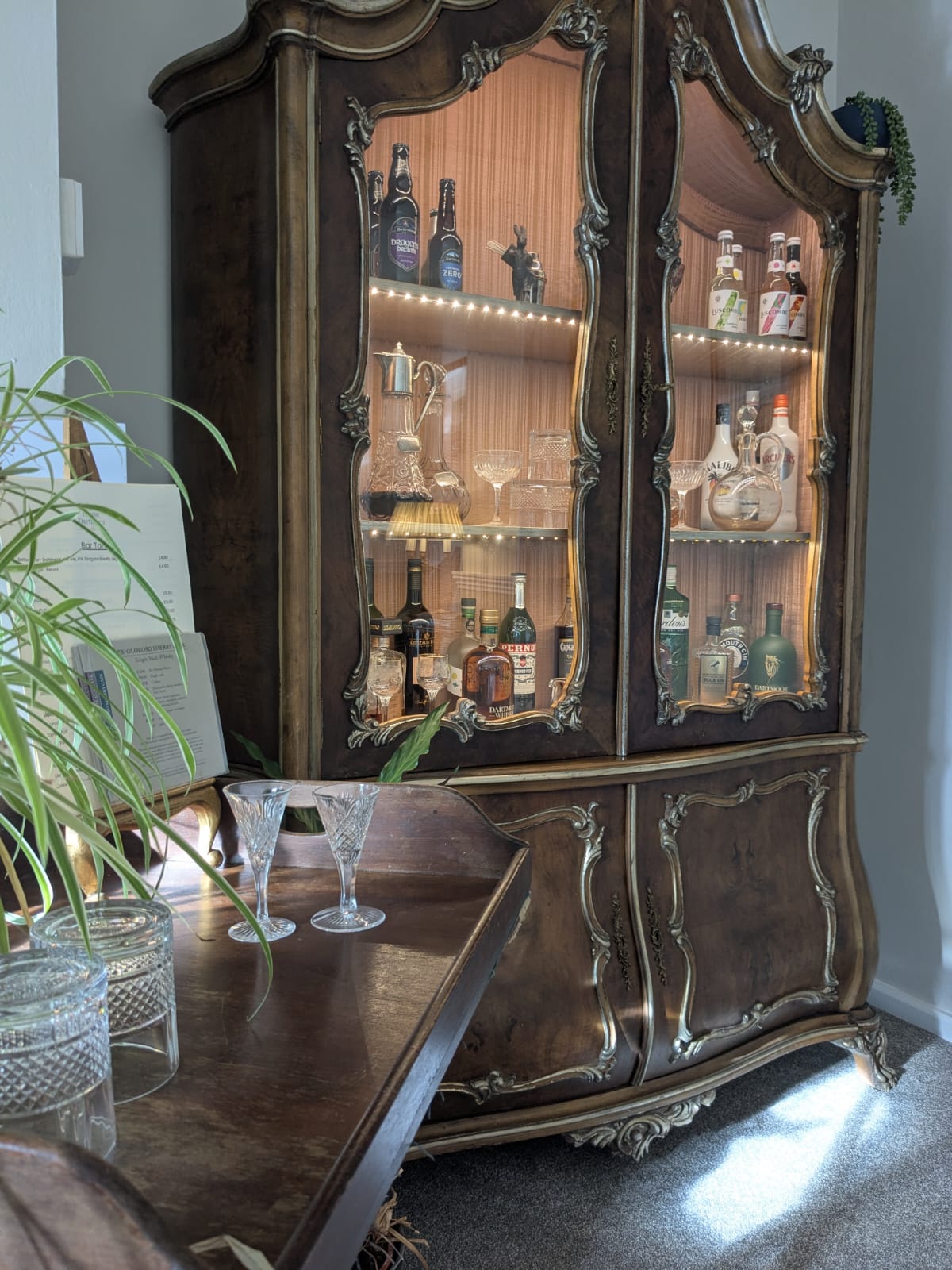
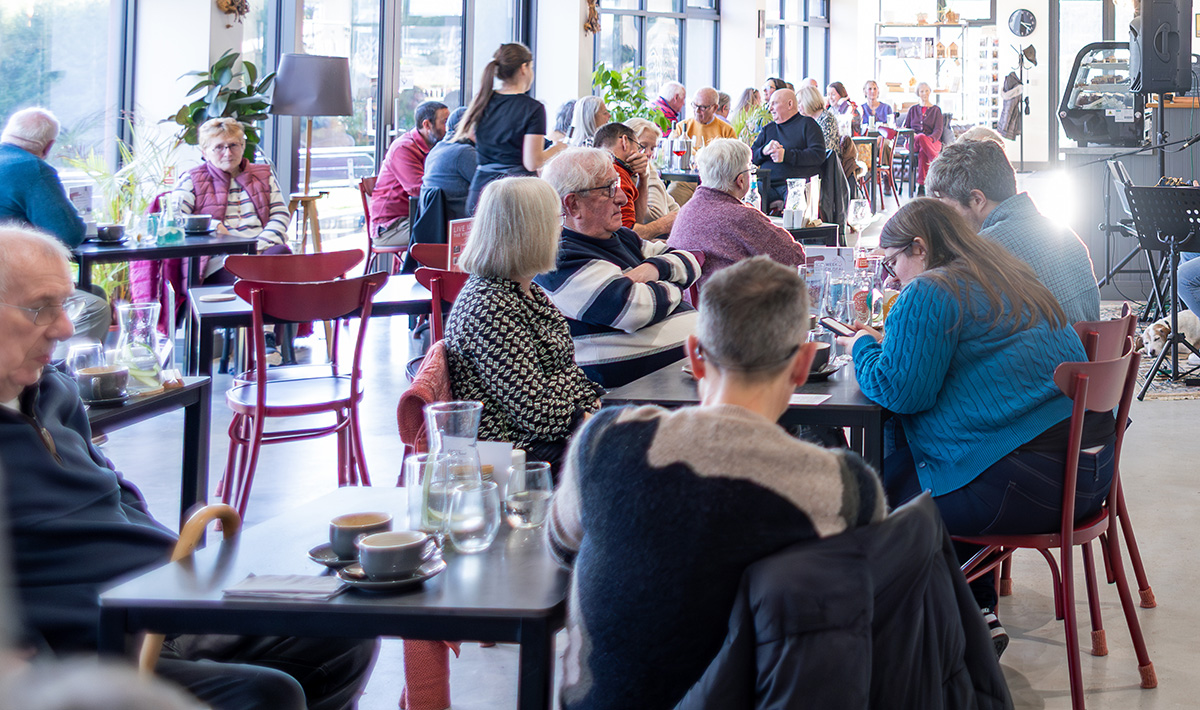
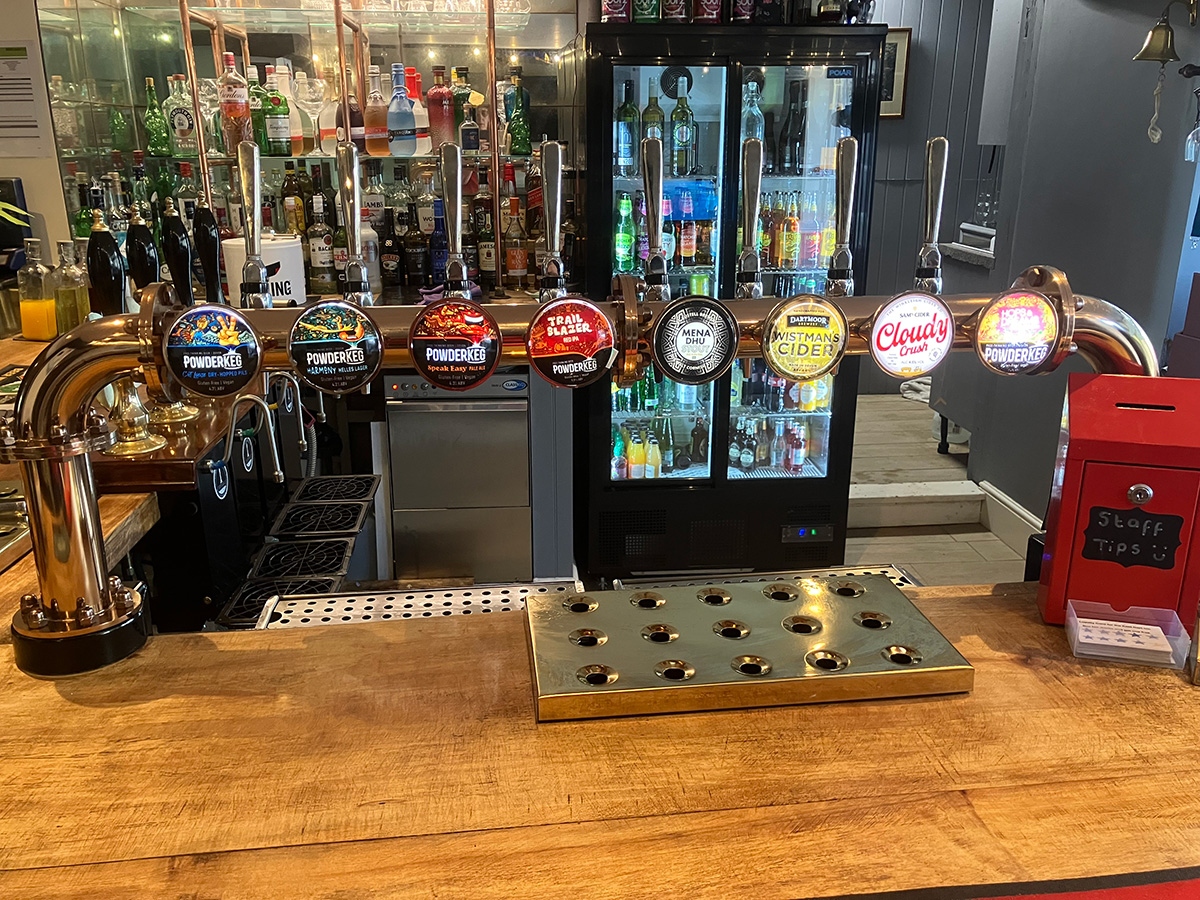
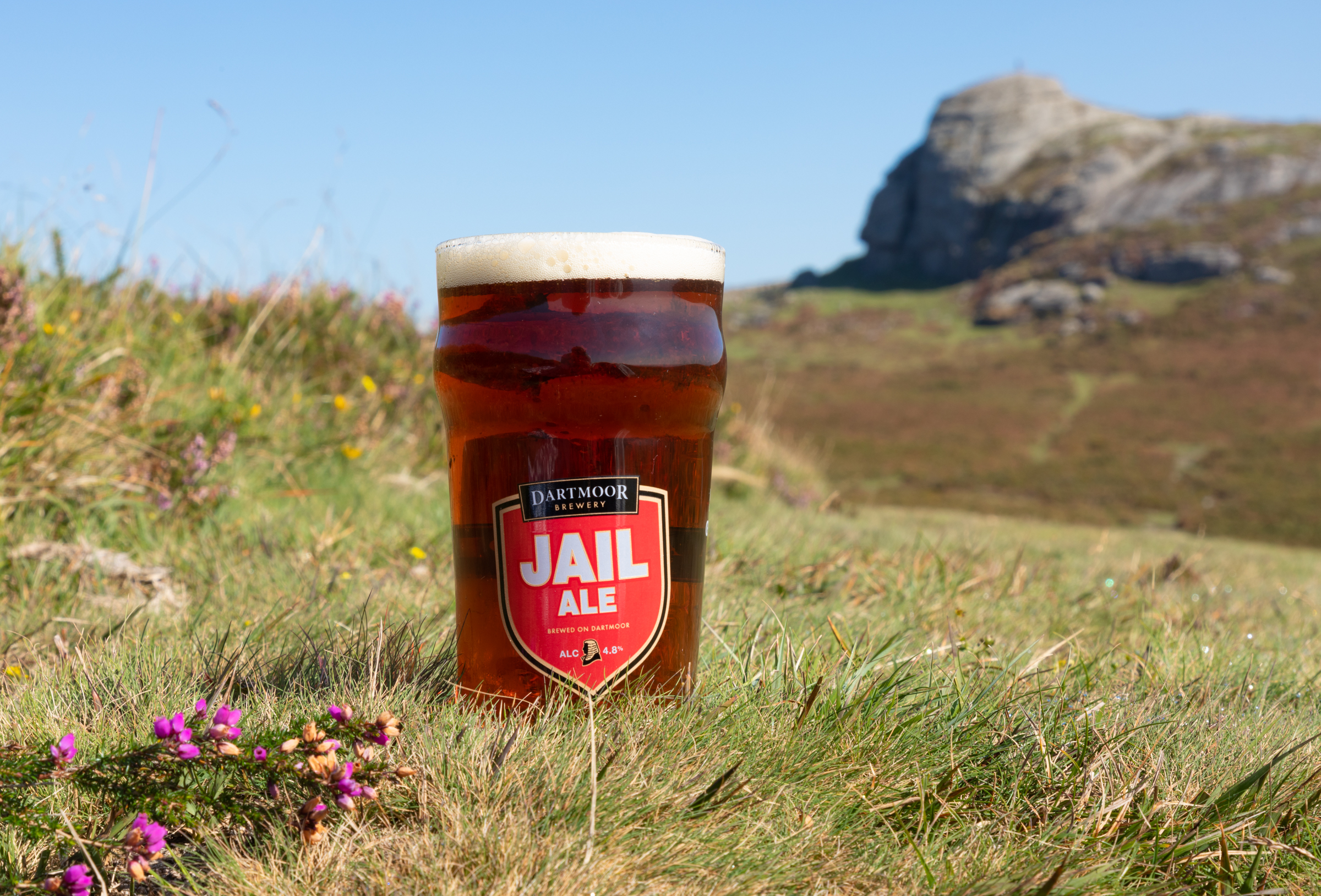
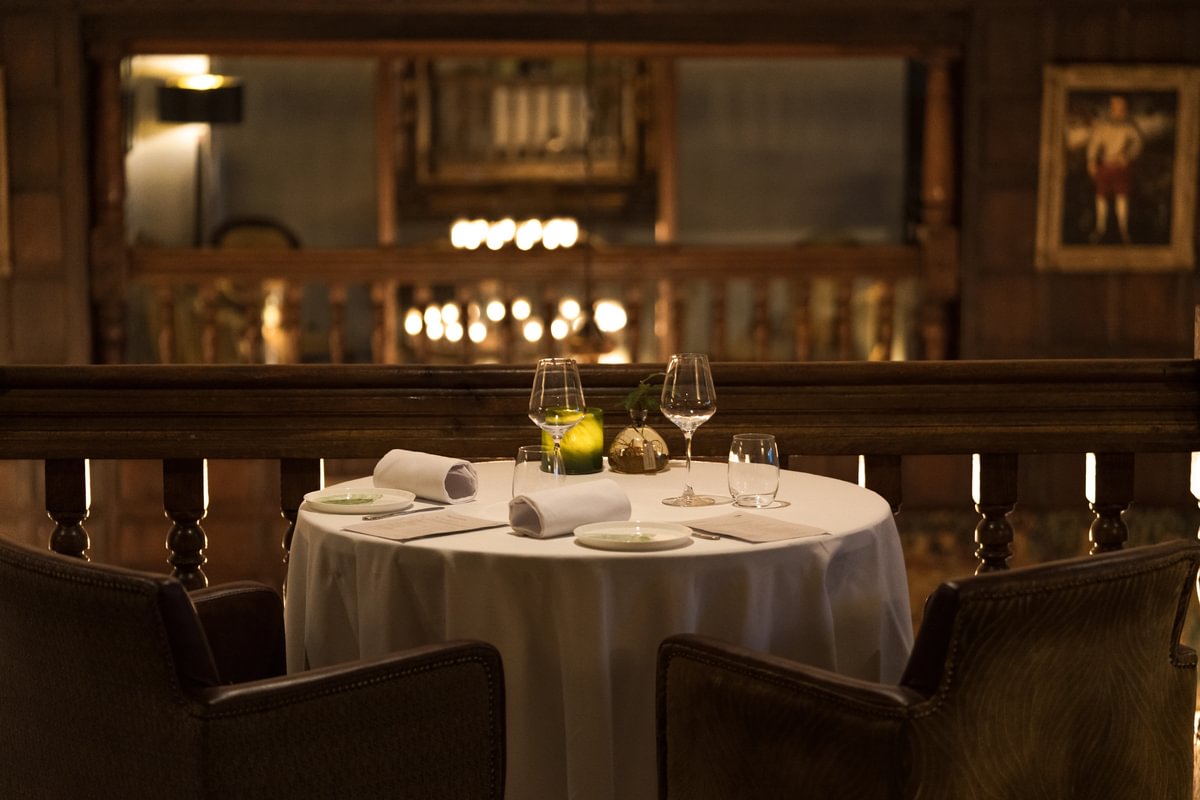
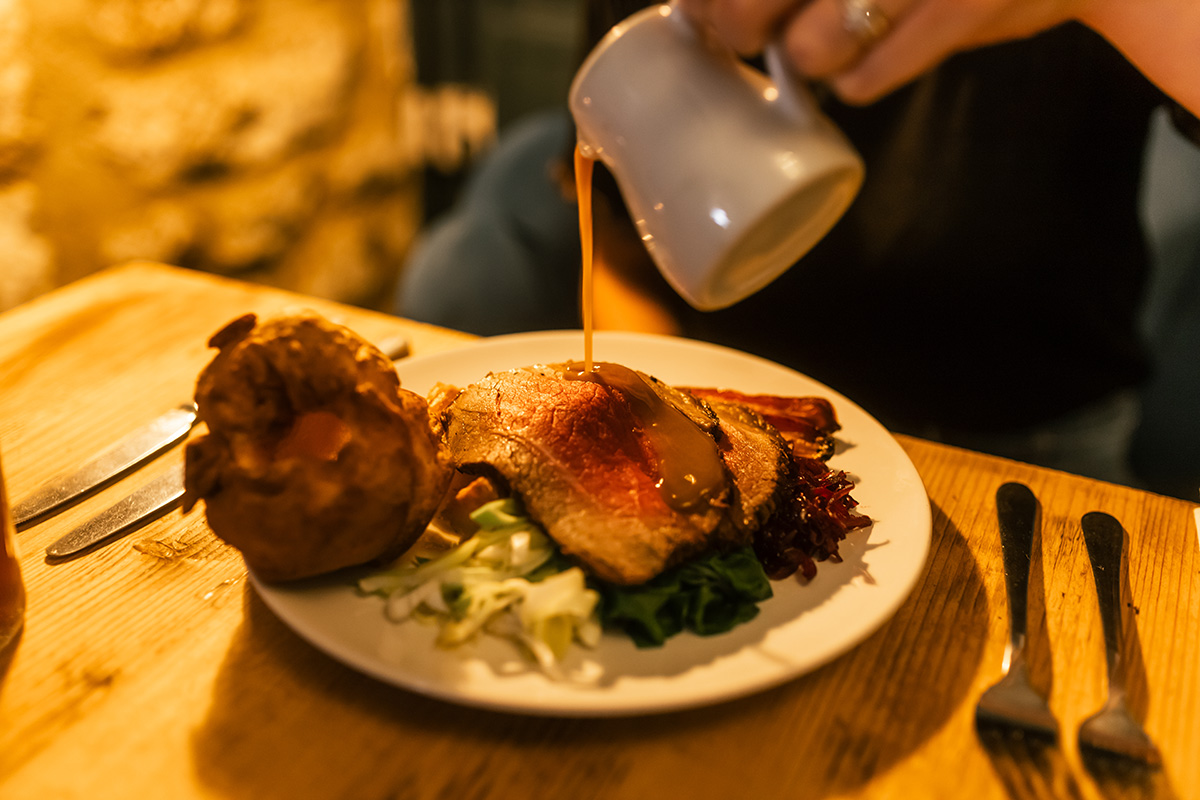
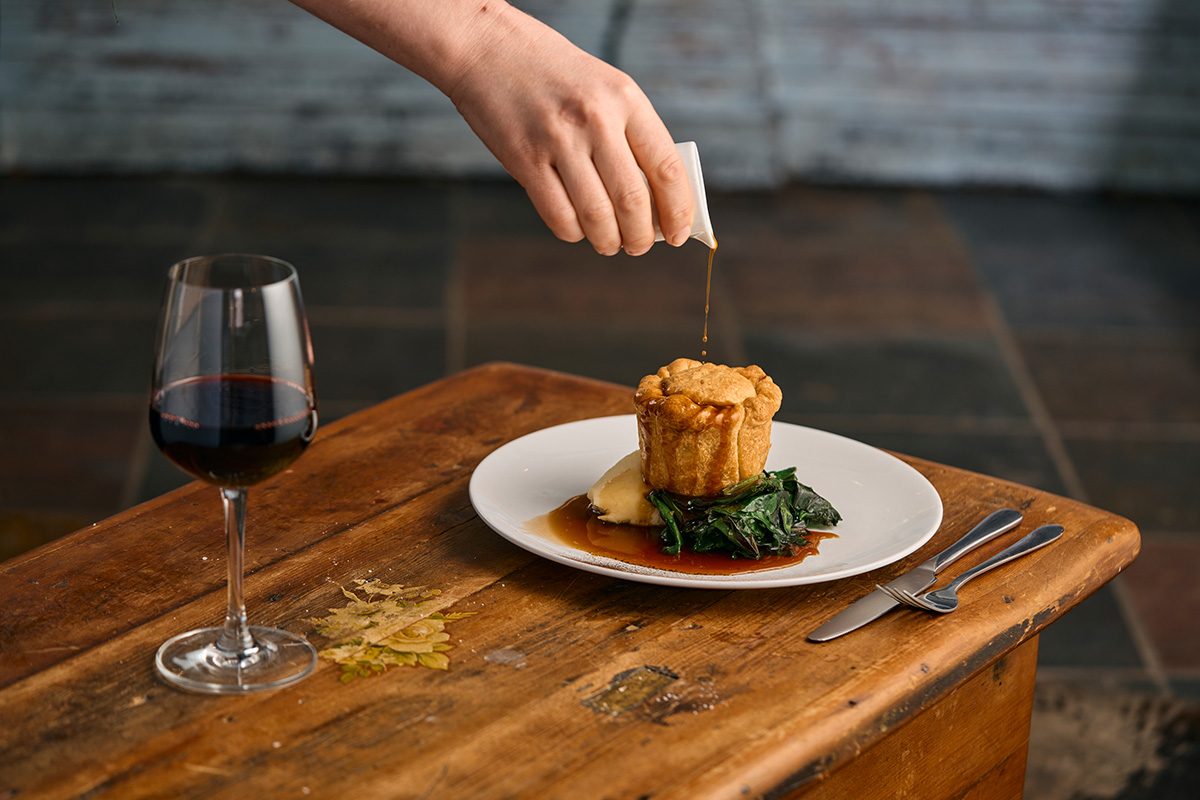
Winter light gilds Dartmoor’s tors, briefly brightening granite before cloud and early dusk return. After a wet crossing, a Dartmoor pub means dry layers, hot drinks and warmth beside the fire.
Choose a walk that suits the day
Start with the forecast, then choose your route. The granite around Haytor offers that unmistakable Dartmoor feeling, but exposed ground can be uncomfortable in strong winds and slippery when frozen. Around Burrator, woodland and reservoir scenery offer a different mood, although sheltered routes still deserve care. Neither setting removes the need for suitable footwear, navigation or an honest assessment of conditions.
For a first winter outing, favour a shorter route with obvious opportunities to turn back. Save ambitious crossings of the open moor for settled weather and experienced company. Dartmoor’s association with the Ten Tors challenge speaks to its appeal as walking country, but a rewarding winter day need not involve collecting summits. One tor, comfortably reached and safely descended, can be plenty.
Leave room for daylight and changing weather
Short days make timing part of your route planning. Check sunset before setting off, allow for slower progress over wet ground, and leave a generous margin for getting back. Tell someone your intended route and expected return time. If cloud lowers or rain strengthens, shortening the walk is good judgement rather than a disappointment.
Carry a paper map and compass, and know how to use them. A phone can help, but cold batteries, wet screens and uncertain reception make it a poor sole navigator. Download mapping beforehand and carry a charged power bank. In mist, Dartmoor’s tors and rolling ground can become surprisingly difficult to distinguish.
Dress for wet ground, not just cold air
Waterproof boots, warm layers, waterproof jacket and trousers, gloves and a hat make a sensible starting point. Pack food, a hot drink, a headtorch and an emergency shelter. Keep spare clothing dry inside your rucksack. Even when the car park feels mild, wind across an exposed tor can quickly change your comfort.
Boggy ground is a defining winter consideration. Avoid pressing on through uncertain patches simply because a line appears on your map. Streams may rise after rain; never assume a crossing will be straightforward. Keep dogs under control around livestock, give ponies space, and finish with muddy boots outside a welcoming pub, checking opening times beforehand.
When the winter habit reaches the Alps
For some Dartmoor regulars, enjoying winter outdoors eventually prompts one bigger trip abroad. Walkers wanting real altitude may look towards the French Alps, swapping familiar tors for mountain scenery while recognising that alpine terrain demands different skills and preparation.
For UK travellers heading to Courchevel, a straightforward route is to fly to Geneva, then book a private Geneva to Courchevel transfer. Transfert Prime gives the journey as 185 km, taking about 2h30. It quotes all-inclusive one-way prices from €500 in a Mercedes E-Class, a V-Class from €550 for up to seven passengers with ski gear, and an S-Class from €750. Transfert Prime says its service includes flight tracking, an arrivals meet-and-greet with a name sign, accommodation drop-off and 24/7 availability. It also offers a chauffeur service in Courchevel and the 3 Valleys. That bigger adventure can sit alongside, rather than replace, winter days on Dartmoor.
Winter walking questions
Can beginners walk on Dartmoor in winter?
Yes, with a modest route and suitable conditions. Choose a short outing, carry appropriate kit and go with someone experienced if your navigation skills are still developing.
What if the weather turns during my walk?
Turn back or take your planned shorter option early. Do not wait until you are cold, tired or losing daylight. The tor will still be there for another day.