A Magical Maze of Moor, Mire, Woodland and Streams
The Dartmoor Preservation Association have announced bold and refreshed ecological land management plans for their land at High House Waste. This land was purchased on behalf of the DPA in 1964, in order to save it from inappropriate afforestation, and the charity have been looking after the site ever since.
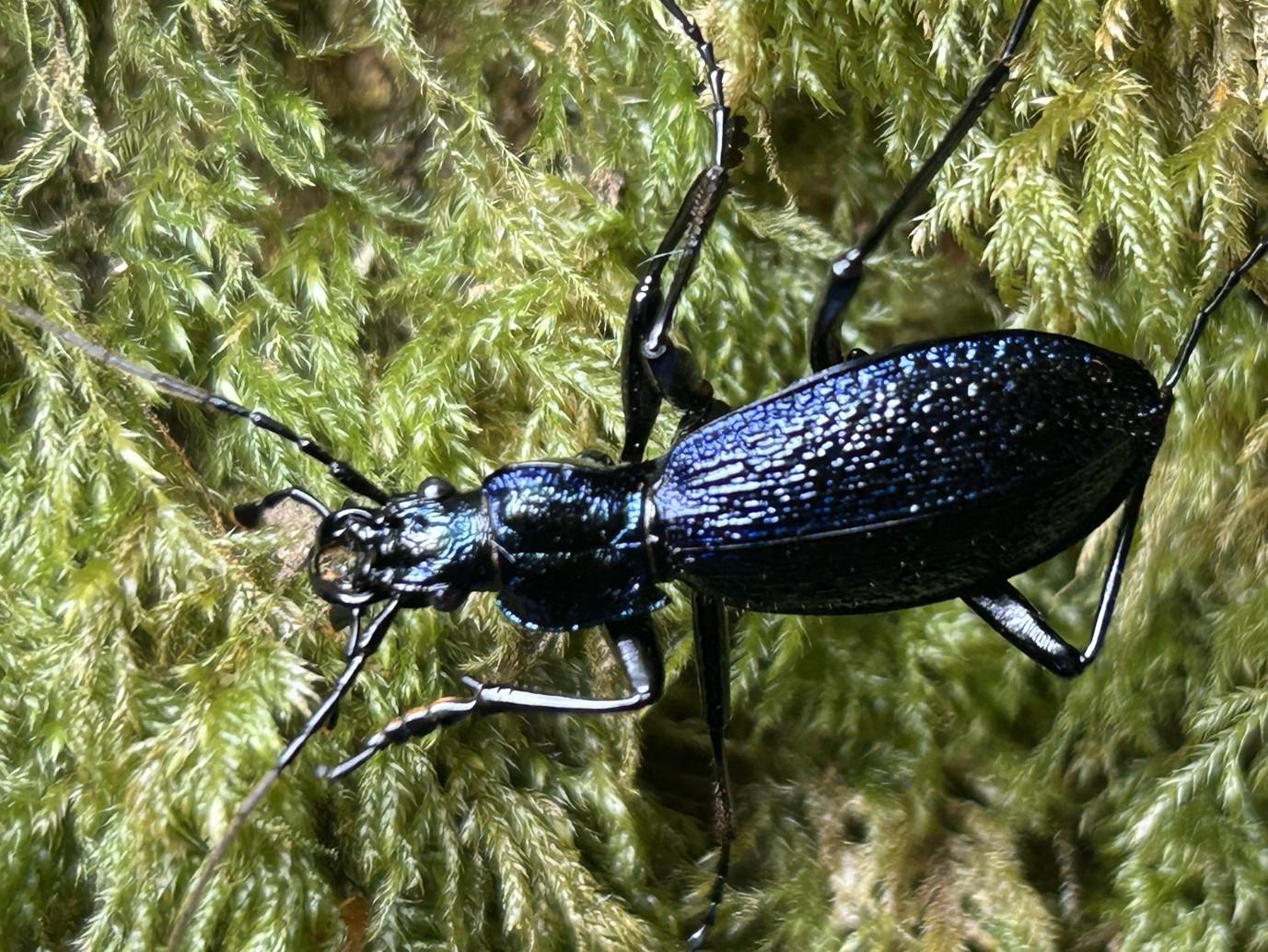
Far from actually being a wasteland, the DPA owned land holding at High House Waste is a valuable area of mixed habitats, including: moorland, mire, woodland and streams. It’s home to special lichens, bryophytes (mosses and liverworts), carnivorous plants, such as Pale Butterwort, and Blue Ground Beetles. Alongside this, it plays an important role in holding water and slowing down the movement of water during peak flow, which can alleviate flood risk downstream.
During late 2025 the DPA worked with ecologist Albert Knott to create new five year (and beyond) management plans for all their land holdings, including High House Waste, and are now ready to begin work, based on the recommendations. Work will be achieved with the help of the skilled team of DPA Conservation Volunteers and through partnering with other local conservation groups. The DPA are very grateful for the years of work they have already given to the care of HHW.
Work that will continue
· Maintaining the habitat of the SSSI valley mires
· Gorse and bracken management to maintain habitats for moorland birds and butterflies
· Clearing medieval and bronze age archaeological features to preserve their context in the landscape
· Cutting firebreaks and maintain access paths, gates and walls
· Ecological monitoring and surveying
Additional approaches 2026 and beyond
· Make more space for mires. Mires are the main feature within the site. These SSSI special spring fed habitats contain fascinating plants, such as the insect eating pale butterwort, and need to be kept open through controlled grazing and enlargement, plus linking up where possible.
· Make more edge and variation of structure. Round the mires is a complex maze of grassland and gorse dominated moorland. These require cutting and controlled grazing to make more edge and variation of structure. This cutting will also allow better access and link up the two main archaeological features. The DPA intend to clear around other rocks in the open moor and assist the isolated trees that naturally occur here as they both provide habitat.
· Make a catchment Natural Flood Management and woodland strategy with others
– High House Waste lies between the Ford Brook and the Broadall Lake upland streams, where natural flood management (NFM) practices should occur to slow the peak water flow down and make the surrounding areas wetter.
– Natural Flood Management is term used when carrying out interventions that slow peak water volume down near the source of major rivers that contribute towards the prevention of flooding downstream (particularly major conurbations). This is particularly true on Dartmoor upland streams such as Yealm. The DPA plan to work with Dartmoor Headwaters team, DNPA and Natural England and others on a catchment-based project. The interventions being considering at High House Waste are layering trees across the water courses diverting water on potential mire habitats, but also planting understory trees (hazels) in the woodland habitats.
· Maintain and expand woodland areas and protect isolated moorland trees. It is along the little valleys that ancient oak dominated woodlands can be found, linking to neighbouring land in the Dendles Wood National Nature Reserve. They harbour special lichens, bryophytes and blue ground beetles. All these require controlled grazing and browsing by cattle and deer. It also needs temporary guarding of saplings and the planting of understory trees to maintain and improve these woodlands over time.
Discover More about DPA land: https://dartmoorpreservation.co.uk/our-work/our-holdings/
Volunteer with the DPA to help care for Dartmoor: https://dartmoorpreservation.co.uk/679-2/
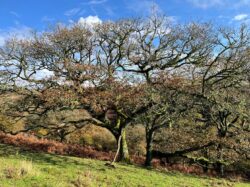
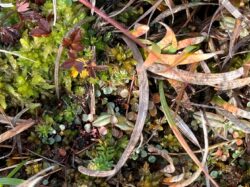
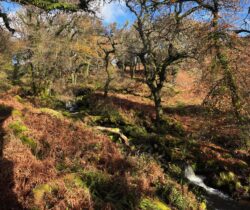
Photo Credit: Albert Knott