Introduction
Exploring Dartmoor by motorhome is a flexible way to experience one of the UK’s most dramatic national parks without constantly packing and unpacking.
Dartmoor National Park is a protected upland landscape in Devon defined by open moorland, granite tors, deep river valleys, and narrow rural lanes.
Motorhome travel is a form of self-contained touring in which your vehicle serves as transport, accommodation, and kitchen in one, making it ideal for remote regions with changing weather.
In recent years, UK motorhome and campervan travel has grown as more people choose domestic road trips that offer freedom and control over pace and budget.
This guide covers the scenic routes that suit larger vehicles, the campsites and overnight options that make sense, the real costs involved, and the hidden gems that give Dartmoor its character.
You will also learn how to plan safely, pack wisely, and travel responsibly so the experience stays memorable for the right reasons.
Why Explore Dartmoor by Motorhome?
Motorhome travel in Dartmoor offers freedom, comfort, and direct access to nature without rigid itineraries.
You can adjust your route based on the weather, stay longer in places you enjoy, and avoid the rush of fixed hotel check-ins.
Dartmoor landscapes change quickly from open moor to wooded valley, and having your base with you makes those transitions seamless.
Instead of planning your day around accommodation logistics, you plan around light, views, and walking routes.
Here are 6 advantages of exploring Dartmoor by motorhome:
- Gain flexibility by changing plans when the weather or traffic shifts.
- Increase comfort with your own bed, food, and warm clothing close at hand.
- Reduce daily logistics by keeping gear in one place instead of repacking.
- Extend outdoor time because trailheads and viewpoints are often nearby.
- Control spending through self-catering and selective paid stops.
- Create immersive experiences such as sunrise views and dark-sky evenings.
Where Is Dartmoor and What Makes It Unique for Motorhome Travel?
Dartmoor is located in Devon, in southwest England, and covers hundreds of square miles of elevated moorland, surrounded by villages and small towns.
Its identity comes from granite tors, peatland, open grazing areas, and narrow hedge-lined roads.
Moorland roads are often winding and include passing places rather than wide shoulders.
This makes route planning important for larger vehicles.
Weather changes quickly at elevation.
Fog, wind, and rain can appear within minutes, so a flexible schedule and cautious driving style are essential.
Dartmoor is also known for low light pollution, which makes stargazing nights especially rewarding when you choose suitable overnight locations.
What Are the Best Scenic Motorhome Routes Across Dartmoor?
Scenic motorhome routes in Dartmoor are drives that balance impressive views with manageable road width and sensible stopping points.
Choosing the right roads reduces stress and allows you to enjoy the landscape rather than concentrate only on steering.
Early morning drives are often calmer and provide better parking opportunities near tors and viewpoints.
Plan routes that connect major corridors rather than relying solely on narrow shortcuts.
Here are 4 reliable scenic route options:
- B3212 Moorland Corridor for open views and classic Dartmoor scenery.
- Haytor and Widecombe Loop for granite formations and village charm.
- Princetown to Postbridge Drive for high moor atmosphere and river stops.
- Tavistock to Meldon Reservoir Route for gentler pacing and water views.
B3212 – The Classic Moorland Drive
The B3212 is a key moorland road that crosses some of Dartmoor’s most recognisable landscapes.
It functions well as a backbone route because it connects central areas without forcing tight village navigation.
Drivers should expect exposure to wind and livestock on open stretches.
Using designated pull-ins instead of improvised stops keeps traffic flowing safely.
The Haytor and Widecombe Loop
The Haytor and Widecombe loop links one of Dartmoor’s most famous tors with a historic village setting.
Haytor Rocks provides panoramic views after a short walk from the parking areas.
Widecombe-in-the-Moor offers cafés and traditional charm, but its streets are narrow, so parking outside the centre is often wiser.
Princetown to Postbridge Route
This route connects elevated moorland scenery with river landscapes.
Princetown sits high and can feel cooler and windier than the surrounding areas.
Postbridge is known for its traditional stone bridges and accessible walking routes.
The drive is manageable when approached patiently and during quieter hours.
Tavistock to Meldon Reservoir
This route begins in a service-friendly town and leads toward reservoir scenery and calmer walking routes.
It is a good choice for those who prefer fewer tight bends and less traffic pressure.
The mix of town facilities and natural views makes it both practical and scenic.
Which Campsites and Overnight Stops Are Motorhome-Friendly?
Motorhome-friendly stops in Dartmoor include serviced campsites, small rural pitches, and authorised overnight areas.
Choosing permitted locations protects both the landscape and your peace of mind.
A planned overnight stop removes uncertainty at the end of a long driving day.
It also ensures access to waste disposal and basic facilities when needed.
Here are 6 suitable stop categories:
- Serviced campsites with electric hook-up and facilities.
- Small certified locations with quieter settings.
- Farm stays that combine rural views with simple amenities.
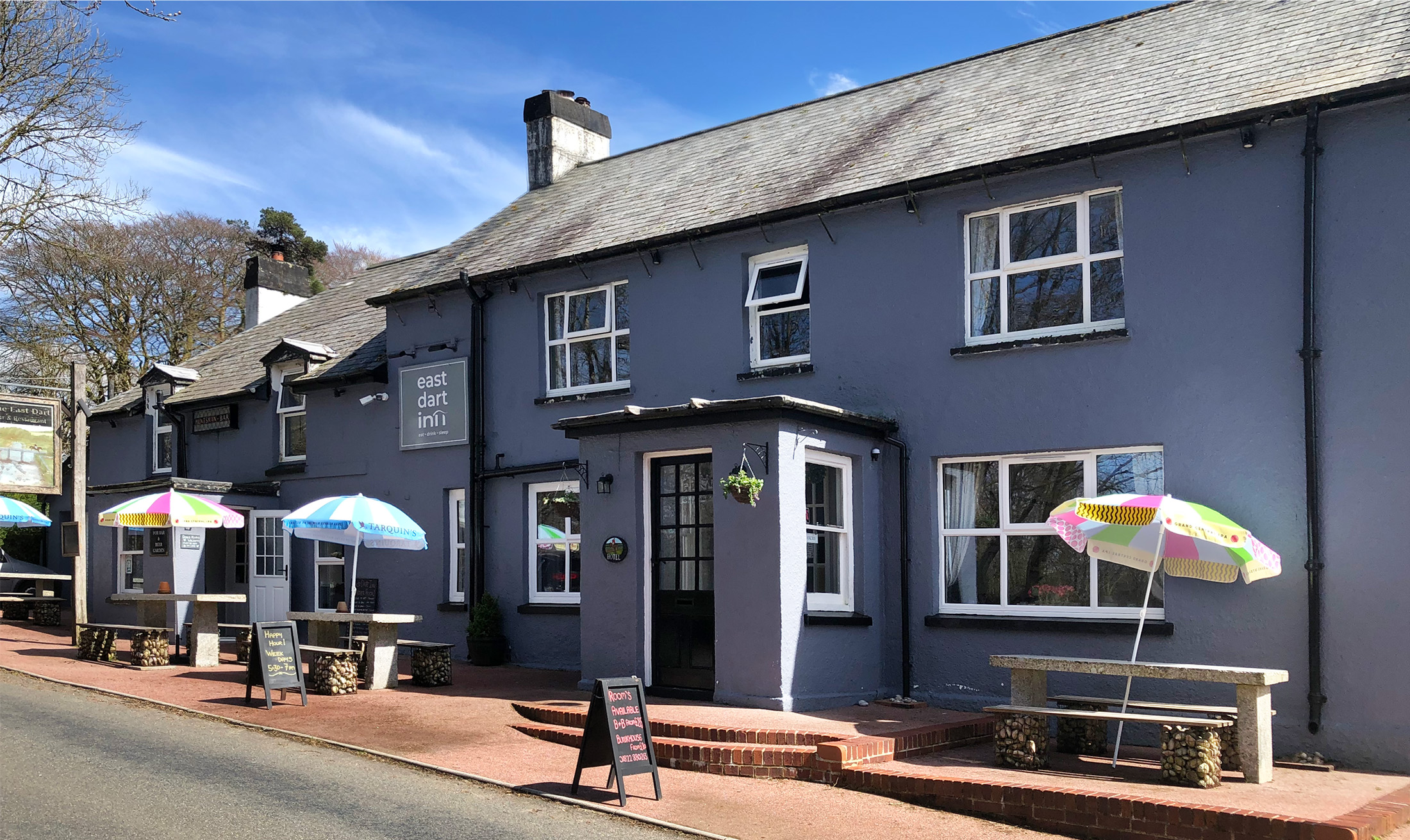
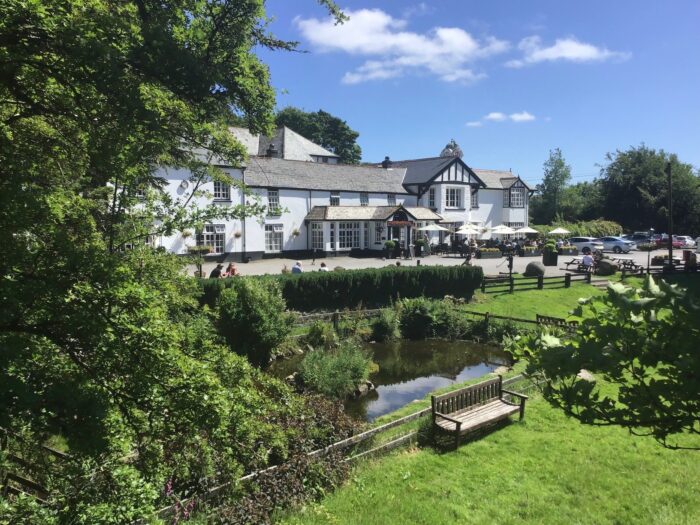
- Pub stopovers by arrangement that support local businesses.
- Authorised parking areas with clear overnight rules.
- Edge-of-park bases offering easier road access.
Dartmoor Campsites vs Wild Camping: What’s Allowed?
Campsites are generally permitted for vehicle stays, while wild camping in vehicles is often restricted.
Understanding this difference helps avoid fines and conflicts with local authorities.
Campsites provide facilities and legal clarity.
Wild-style overnighting lacks services and can damage sensitive habitats if done irresponsibly.
Choose managed sites for reliability and environmental protection.
| Factor | Campsites | Wild-style overnighting |
| Legality | Permitted | Often restricted |
| Facilities | Available | None |
| Cost | Paid | Low but risky |
| Environmental impact | Managed | Potentially harmful |
| Comfort | Higher | Variable |
How to Plan a Motorhome Trip to Dartmoor
Planning involves selecting routes, booking key nights, and allowing time for weather changes and narrow roads.
This section includes 7 steps to simplify your preparation.
- Select one main driving corridor and two scenic spurs.
- Confirm your vehicle dimensions before committing to narrow lanes.
- Pre-book popular campsites in peak season.
- Limit daily mileage to avoid fatigue.
- Identify safe parking before visiting busy villages.
- Pack for fast-changing weather conditions.
- Set personal rules for waste and respectful driving.
If you are still choosing the right touring vehicle, reviewing used motorhomes for sale helps compare layouts and storage before committing to a model that may struggle on rural roads.
What Should You Check Before Driving on Moorland Roads?
You should check road width, weather visibility, fuel level, and turning options before driving on exposed moorland routes.
Narrow lanes and sudden bends require full attention.
Strong winds and fog can reduce stability and visibility.
Planning turnaround points in advance prevents stressful reversals.
What Are the Costs of Exploring Dartmoor by Motorhome?
Exploring Dartmoor by motorhome typically costs between £40 and £120 per day, depending on campsite fees, fuel, and dining choices.
Serviced campsite pitches often range from £25 to £45 per night.
Fuel costs vary because of hilly terrain and slower rural driving.
Self-catering reduces expenses compared with frequent restaurant meals.
Here are 6 main cost factors:
- Campsite type selected.
- Fuel consumption based on mileage and terrain.
- Food choices between cooking and dining out.
- Parking fees in busy locations.
- Paid attractions or guided experiences.
- Vehicle maintenance and consumables.
If you plan to upgrade or sell your vehicle later, using motorhome valuation services helps set realistic resale expectations and clarify long-term ownership costs.
What Hidden Gems Should Motorhome Travelers Not Miss?
Hidden gems are locations that offer a strong atmosphere without peak crowds.
They often combine accessible parking with short scenic walks.
Balancing iconic stops with quieter alternatives keeps the trip varied.
Motorhome pacing works best when you mix headline sights with calmer detours.
Here are 6 hidden gems:
- Haytor Rocks for classic granite views.
- Hike Tor for dramatic rock formations.
- Wistman’s Wood for ancient woodland scenery.
- Meldon Reservoir for water landscapes.
- Postbridge area for historic bridge views.
- Lydford Edge trips for village character and nearby nature.
Haytor Rocks
Haytor Rocks is a granite tor formation offering panoramic moorland views.
Its short walk from parking areas makes it suitable for motorhome travelers.
Arrive early during peak seasons to secure space.
Hound Tor
Hound Tor features striking rock stacks and expansive views.
It provides a quieter alternative to busier tors.
Road approach requires patience due to narrow stretches.
Wistman’s Wood
Wistman’s Wood is an ancient oak woodland known for moss-covered stones and twisted trees.
It demands careful access and respect for sensitive habitats.
Choose suitable footwear and remain on established paths.
What Are the Main Challenges of Motorhome Travel in Dartmoor?
Motorhome travel in Dartmoor can present narrow roads, unpredictable weather, and limited parking in popular areas.
These issues require preparation rather than avoidance.
Rushed driving increases stress in tight lanes.
Flexible planning reduces frustration.
Here are 5 disadvantages to consider:
- Encounter narrow lanes with limited passing space.
- Face sudden weather changes at higher elevations.
- Struggle with peak-season parking near key attractions.
- Experience limited services in remote zones.
- Deal with shorter daylight hours in the winter months.
What Should You Pack for a Dartmoor Motorhome Adventure?
Packing for Dartmoor requires preparation for variable weather and rural driving conditions.
A structured packing approach reduces last-minute stress.
Focus on safety, weather, food, and navigation.
Suggested categories include:
- Driving safety gear, such as a warning triangle and torch.
- Weather layers, including waterproof jackets and warm clothing.
- Cooking essentials for self-catering flexibility.
- Navigation tools with offline maps and charging equipment.
How Can You Travel Responsibly and Protect Dartmoor’s Landscape?
Responsible motorhome travel protects fragile habitats and supports local communities.
Clear rules and small actions prevent long-term damage.
This section includes 5 key steps:
- Use authorised overnight stops.
- Dispose of waste correctly.
- Drive carefully and respect passing places.
- Keep noise and light low at night.
- Support local shops and cafés.
If you attend a village festival or community gathering, a well-managed LED screen can improve communication with visitors when brightness and placement respect the surrounding landscape.
Conclusion
Exploring Dartmoor by motorhome combines freedom with immersion in one of England’s most striking landscapes.
Granite tors, winding lanes, and dark skies create a setting that rewards patient planning.
When you choose sensible routes, permitted campsites, and realistic daily distances, the journey feels calm rather than rushed.
With preparation and respect, Dartmoor becomes not just a destination, but a living landscape you experience fully from your own moving base.