Most people don’t think of holidays as a way to improve their fitness. They picture a comfortable hotel, good food, and a few days without having to do much at all. That’s perfectly understandable, but it’s also a missed opportunity.
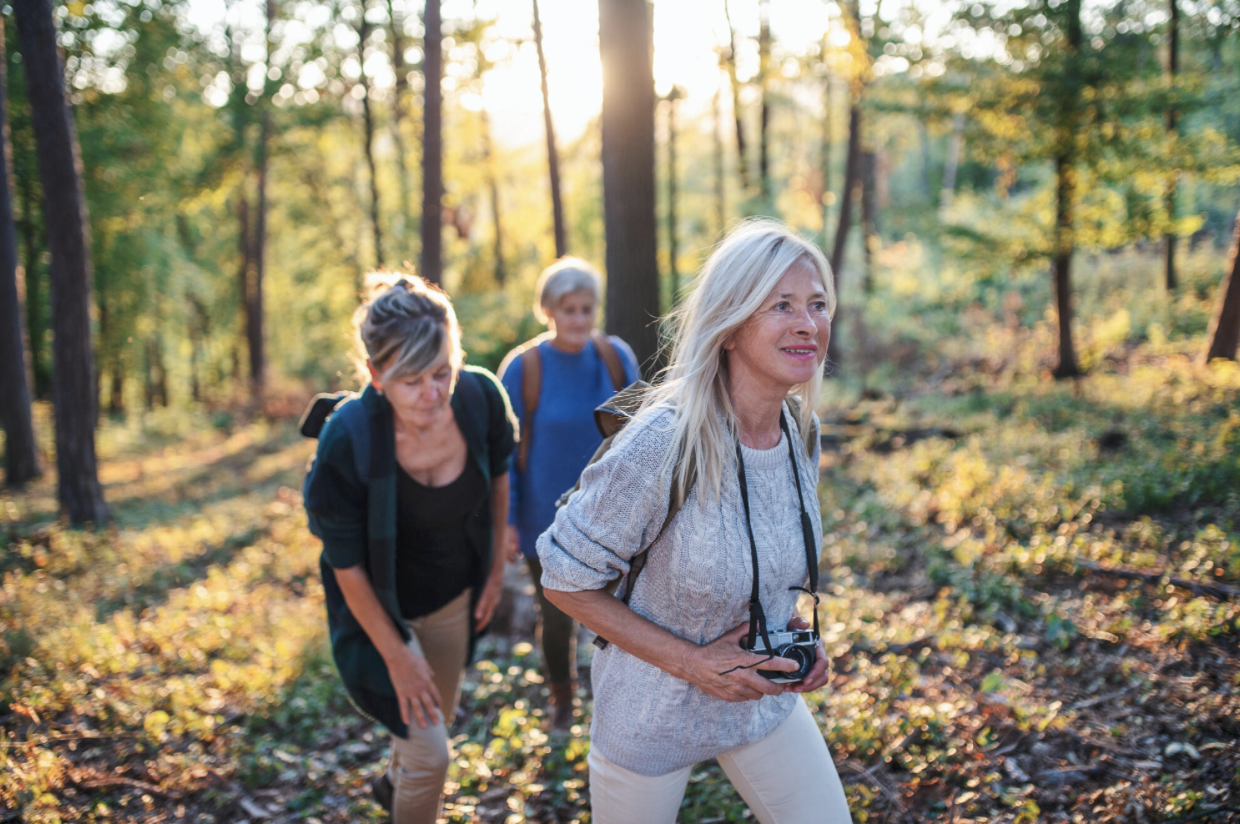
Walking holidays offer a slightly different deal. You still get the best parts of a holiday: a break, a change of scenery, good food, and relaxation. The difference is that you also get several hours of physical activity most days, as walking is part of the experience.
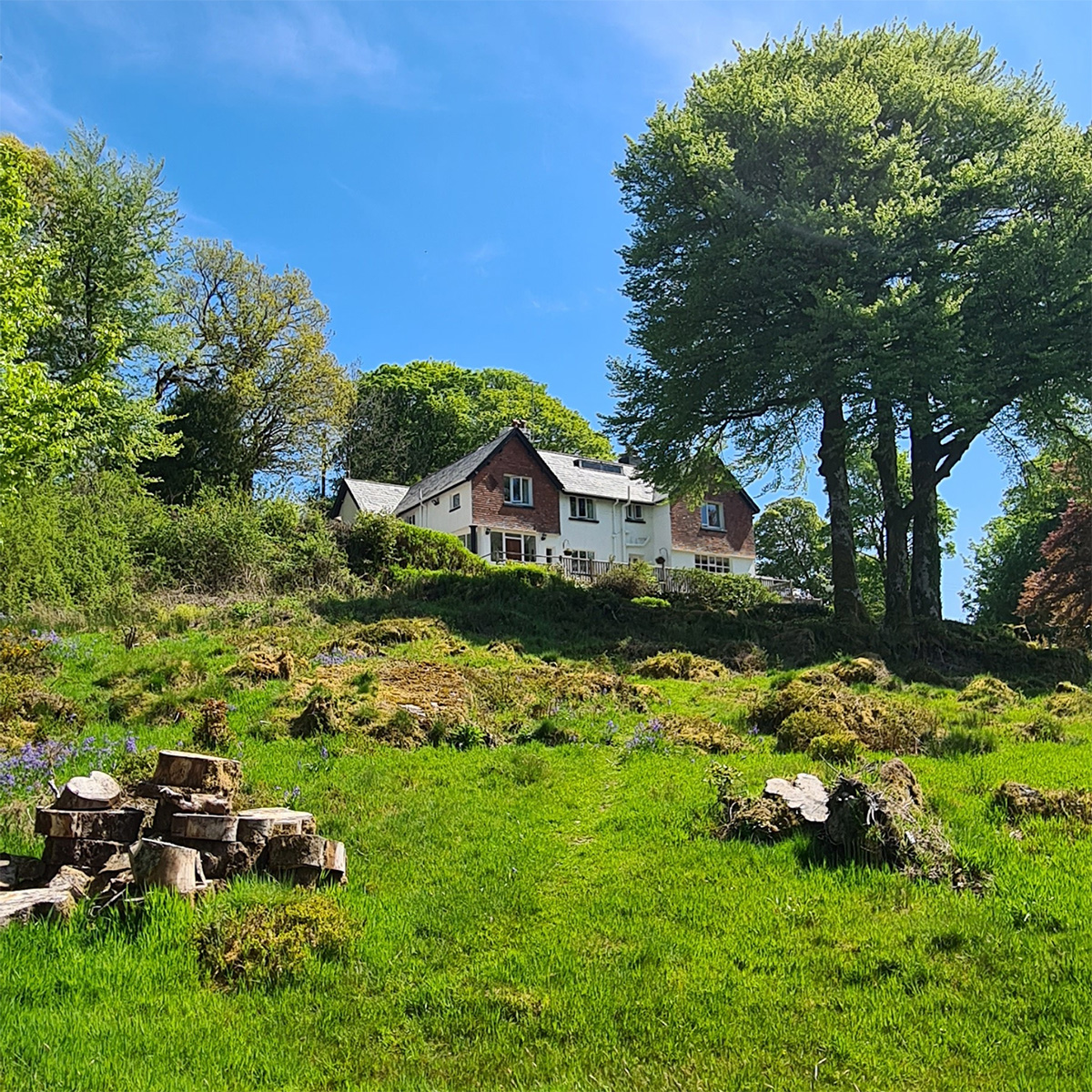
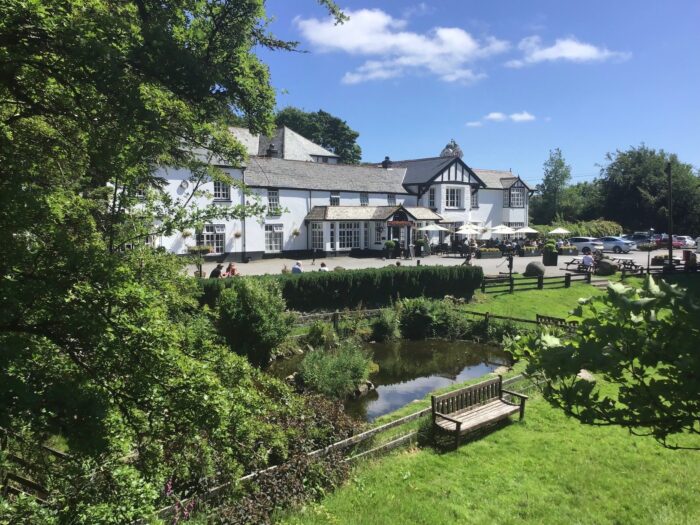
You might spend one day following a trail between villages, another climbing a hill to reach a viewpoint, and the next taking an easier route through woodland. Dartmoor is particularly well suited to this kind of break, with walks for different fitness levels and plenty of opportunities to explore beyond the usual tourist stops.
Exercising Without the Gym Routine
Let’s be perfectly honest: knowing that exercise is good for you doesn’t necessarily make it easy to fit into your week. Work, family responsibilities, and general exhaustion have a habit of getting in the way. That’s what makes a walking holiday ideal for this: it removes some of those obstacles because physical activity is already built into the day.
You walk before lunch, cover another couple of miles in the afternoon, and perhaps take a short detour because there’s something interesting further along the path. What’s great about it is, none of these efforts needs to feel like a workout. But together, they can amount to several hours of activity.
Keep in mind, the general recommendations for adults suggest at least 150 minutes of moderate-intensity aerobic activity each week. Brisk walking counts towards that target and can improve not only cardiovascular health and help regulate blood pressure, but also support blood sugar control.
Uneven paths and hills are a bonus here. Your legs work harder on climbs, while changes in ground level require constant adjustments to your balance and coordination. It’s a markedly different physical challenge from walking on a treadmill at the same speed.
Your Head Gets a Much-Needed Break
There’s a reason people often return from outdoor trips feeling mentally refreshed. You’re not spending the day switching between emails, notifications, household chores, and whatever else demands your attention.
Research supports some of this experience as well. A systematic review published in 2021 examined 50 studies of nature-based activities and found improvements in several mental health outcomes, including anxiety, depressive mood, and positive affect.
There’s also something practical about walking with other people. You don’t have to organize entertainment or spend money on activities every day. A shared route gives you and your friends or family a chance to spend proper time together, without having to plan every minute. Everyone can walk at a comfortable pace, take breaks, and enjoy the trip without feeling rushed.
A Little Preparation Goes a Long Way
If you normally walk only short distances, start increasing your mileage before the trip. A few longer weekend walks will give your feet and leg muscles time to adjust.
Your packing list doesn’t need to be complicated, but it should include:
- Comfortable, well-worn footwear with good grip
- Waterproof clothing and extra layers
- Drinking water, snacks, and a small first-aid kit
- A map and a reliable navigation device
Also, resist the temptation to plan a demanding walk for every single day. Your feet, knees, and calves may need a lighter day between longer routes. A shorter village walk or a relaxed afternoon exploring the local area is not wasted holiday time.
Walking Is One Part of a Bigger Health Picture
Walking regularly can help with weight management, absolutely, but it won’t override everything else that influences your weight. Nutrition, sleep, existing health conditions, and medication can all affect your progress.
If losing weight is one of your reasons for becoming more active, walking works best as part of a wider plan. That might involve changes to your eating habits, professional nutritional guidance, or medical treatment where appropriate.
Weight management doesn’t look the same for everyone, and some people may need more support than lifestyle changes alone can provide. If you’re considering prescription treatment alongside changes to your diet and activity levels, talk to your healthcare provider. There are several options, and they don’t all work in exactly the same way.
Wegovy (semaglutide), for example, mimics the GLP-1 hormone to help regulate appetite, increase feelings of fullness, and reduce food intake. Zepbound (tirzepatide) acts on two hormone receptors, GIP and GLP-1, to help regulate appetite and food intake.
So, is Zepbound right for you, or would another treatment be more appropriate? That’s something to discuss with your healthcare provider, who can consider your medical history, weight-related health conditions, and individual needs.
Whatever approach you take to weight management, regular physical activity still matters. A walking holiday can be a great starting point, whether your goal is to improve your fitness, support weight management, or simply spend less time sitting.
Taking the Habit Home
The slightly frustrating thing about a good walking holiday is that it eventually ends. You unpack, return to work, and find yourself back in the car or at your desk.
Try not to let all that extra activity disappear once you get home. A couple of longer walks each weekend, a regular lunchtime route, or an evening walk after dinner can help maintain the habit. You might even discover that you prefer walking to some of the exercise routines you’ve previously struggled to stick with.
You don’t have to live on Dartmoor or walk ten miles every Sunday. Just keep a place for walking in your ordinary week. Your next holiday will give you another reason to get out there.