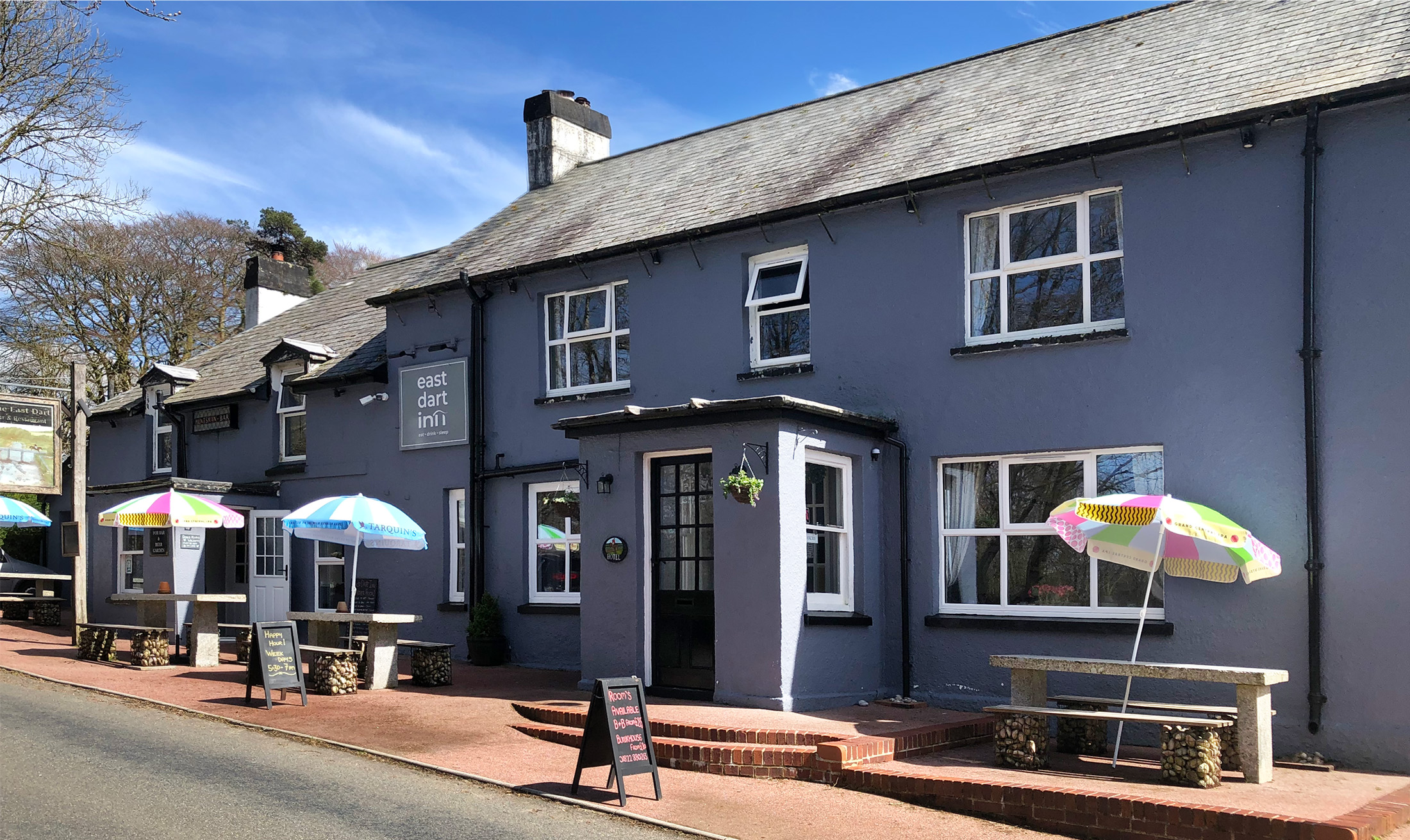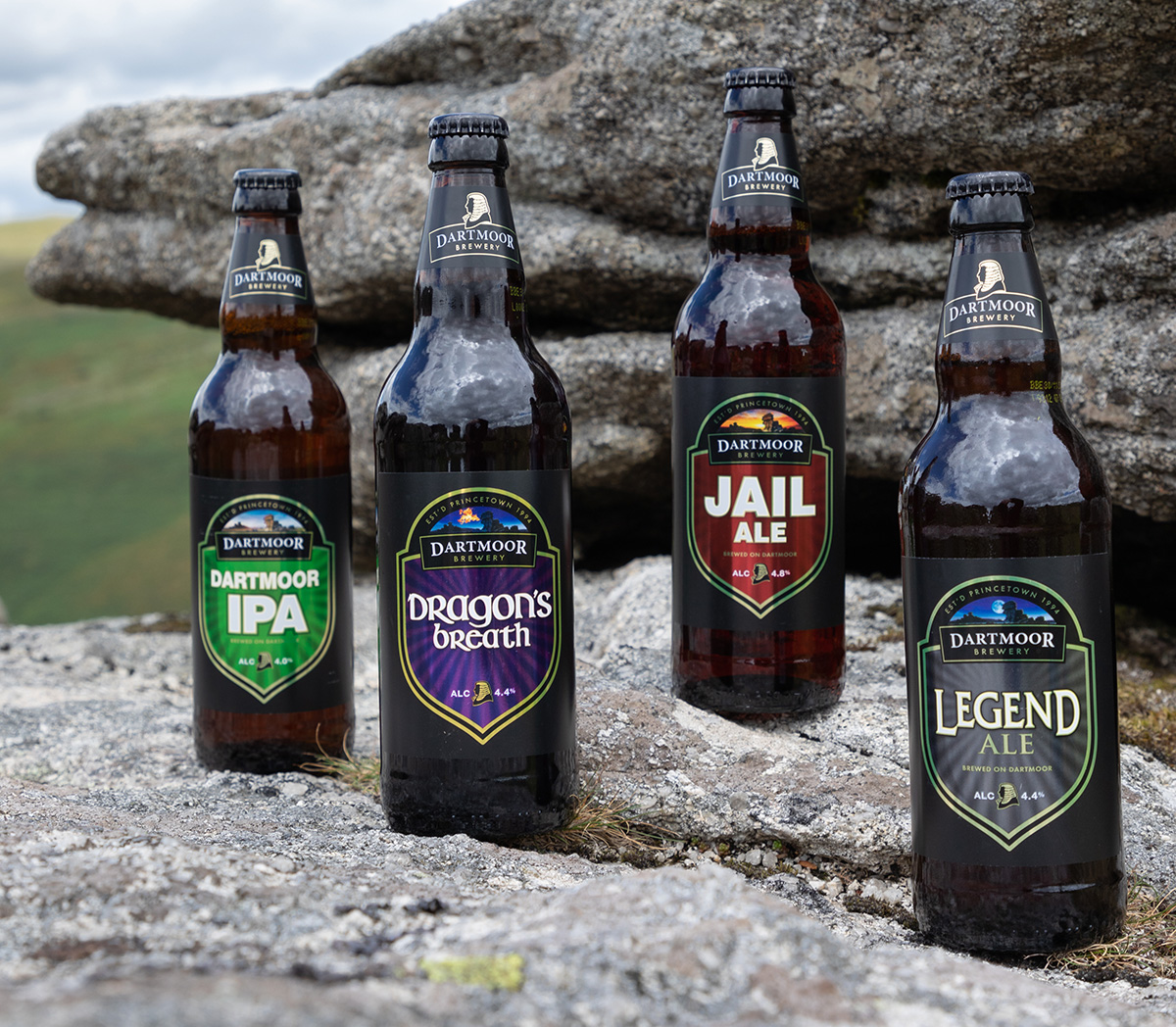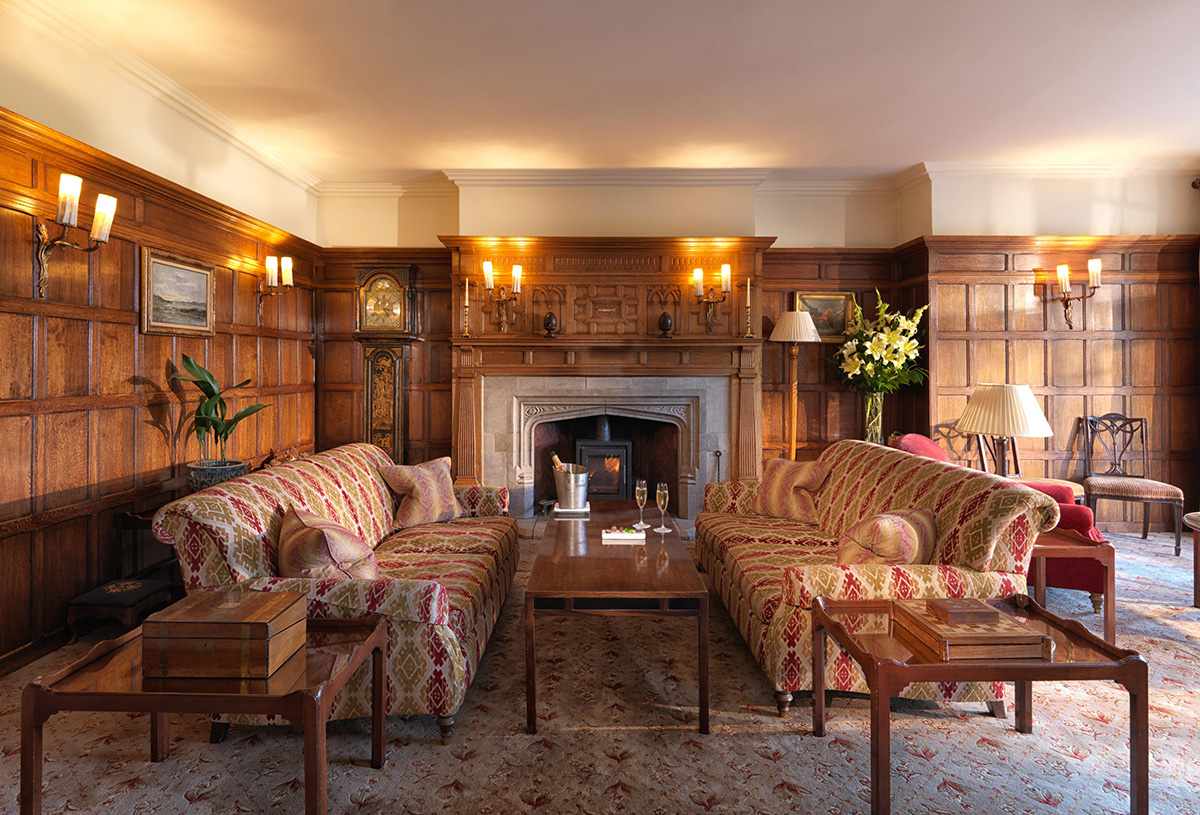
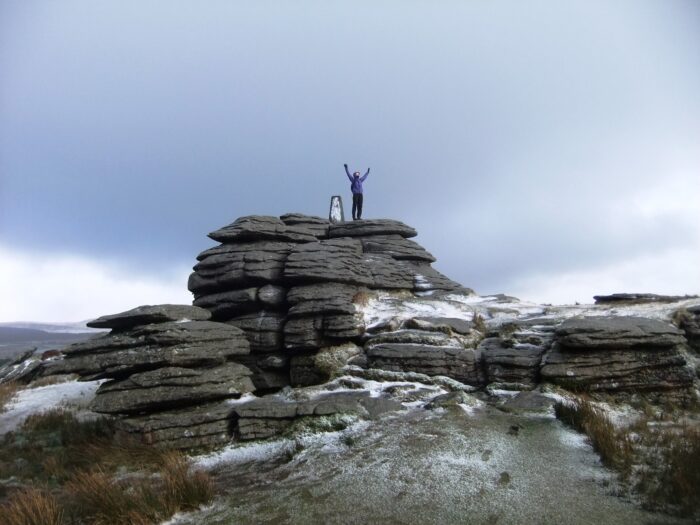
Dartmoor is breathtaking in winter — frost-dusted moorland, quiet trails, and skies full of stars. But anyone who has stayed in or owns a cottage on the moor knows just how cold the nights can get. Stone walls, exposed hillsides, and draughty older buildings make heating a genuine challenge once the temperature drops. Lekto Night Briquettes are one solution that Dartmoor homeowners and self-catering hosts are turning to — slow-burning, efficient, and designed to keep a stove going through the night without constant attention.
What Makes Dartmoor Winters So Demanding on Heating?
Dartmoor sits at one of the highest elevations in southern England. Temperatures on the moor can fall well below those in nearby towns like Exeter or Plymouth, and the wind chill across open moorland makes it feel colder still.
Many properties on and around Dartmoor are older stone or cob buildings with solid walls, limited insulation, and single-glazed windows. These homes lose heat quickly once a fire dies down. Without central heating — or with only a wood-burning stove or multi-fuel stove as the main heat source — keeping the chill out overnight becomes a real concern.
For visitors staying in a self-catering cottage, a cold bedroom by 3am isn’t just uncomfortable; it can put a damper on an otherwise memorable trip. For those who live here year-round, managing fuel costs and heat retention through winter matters even more.
What Are Lekto Night Briquettes and How Do They Work?
Night briquettes are densely compressed blocks of natural wood material — typically bark or sawdust — produced with very low moisture content. This makes them behave quite differently from regular logs.
Because they are so compact and dry, they burn slowly and steadily rather than flaring up and fading quickly. When loaded into a hot stove and the air supply is reduced, they smoulder at a controlled rate, releasing heat gradually over many hours. This is exactly the kind of burn you want when you’re heading to bed and need warmth to carry through until morning.
They work in both wood-burning stoves and multi-fuel stoves, making them suitable for most of the fireplaces you’ll find in Dartmoor cottages and rural homes.
How Long Do They Actually Burn?
This is the question most people ask first — and the answer is impressive. A well-banked stove loaded with night briquettes can stay alight for six to eight hours or more, depending on the stove size, how tightly the briquettes are packed, and how much the air intake is restricted.
That’s long enough to bridge the gap between last thing at night and first thing in the morning without needing to refuel.
A few things affect how long you get from each load:
- Air control: The less air going in, the slower and longer the burn.
- Firebox size: A larger firebox holds more briquettes and extends the burn time.
- Stove condition: A swept, well-maintained flue draws more efficiently and helps the stove perform better.
- Room insulation: Better-insulated rooms retain heat longer, so even a dying stove keeps the room comfortable.
Night Briquettes vs Logs for Overnight Dartmoor Heating
Traditional firewood is central to the Dartmoor aesthetic — there’s something undeniably right about a crackling log fire on a moor. But logs have real limitations when it comes to overnight heating.
Even well-seasoned or kiln-dried logs burn at a faster rate than compressed briquettes. They need topping up every couple of hours to maintain warmth, which simply isn’t practical when you’re asleep. Waking at 2am to reload the stove is nobody’s idea of a restful countryside break.
Here’s how the two compare for overnight use in a Dartmoor cottage setting:
- Burn time: Night briquettes last significantly longer per load than most logs.
- Heat consistency: Briquettes deliver steadier warmth with fewer temperature spikes and drops.
- Moisture content: Quality briquettes, like kiln-dried fuel, produce less tar build-up and cleaner combustion.
- Practicality: Compact and stackable, briquettes are easier to store in smaller outbuildings or fuel stores.
Logs remain brilliant for an evening fire before bed. But once you’re settled in for the night, switching to briquettes makes more practical sense.
Fuel Costs and Efficiency for Rural Properties
Running a stove as a primary heat source in a Dartmoor home is not unusual, especially in more remote parts of the moor where mains gas isn’t available. That makes fuel efficiency a serious consideration, not just a nice-to-have.
Night briquettes burn longer per kilogram than most logs, which means you use less fuel to achieve the same overnight warmth. Over a winter season, that kind of efficiency adds up. For self-catering hosts managing multiple changeovers, it also reduces how often fuel needs replenishing between stays.
There’s also an environmental consideration worth noting. Briquettes made from recycled wood by-products contribute to more sustainable heating and support renewable heating goals. They produce fewer carbon emissions than wet or poorly seasoned wood, which is relevant in a landscape as ecologically sensitive as Dartmoor National Park.
Staying Safe When Using Night Briquettes in a Cottage Stove
If you’re managing a holiday let or a rural home on Dartmoor, a few safety habits make all the difference when using any long-burn fuel overnight.
- Check compatibility: Make sure your stove is rated for use with compressed briquettes.
- Start with a hot base: Build a normal fire first and allow the firebox to heat up before adding briquettes.
- Load carefully: Place briquettes towards the back, reduce airflow gradually, and don’t overfill the firebox.
- Follow local regulations: If the property falls within a smoke control area, use a DEFRA-approved stove and fuels that comply with regulations.
- Keep the chimney swept: A clear flue is essential for safe, efficient overnight burning. Annual sweeping is the minimum; twice a year is better for heavy winter use.
Guests in self-catering properties should always be given clear instructions on stove use, especially when night briquettes are involved and the fire will be left unattended.
Where to Source Reliable Fuel for Dartmoor Properties
Finding quality fuel locally isn’t always straightforward in rural Devon. Inconsistent moisture levels and variable briquette quality can affect how well your stove performs, which matters most when you’re relying on it overnight.
Lektowood Fuels is one UK supplier that provides solid fuel products to rural households, including compressed briquettes designed for long burns. Homeowners and holiday let managers across the UK have been sourcing Lekto Night Briquettes ahead of winter, valuing their consistent burn times and low moisture content.
When choosing fuel for your Dartmoor property, look for clearly stated moisture levels, suitability for your stove type, and a supplier with reliable delivery. Ordering before the cold weather sets in — ideally late summer or early autumn — avoids delays and lets you build up a decent supply before the season peaks.
Final Thoughts
Dartmoor is one of the most beautiful places to experience winter in England — but that beauty comes with cold, wind, and heating challenges that visitors and homeowners know all too well. Getting your overnight heating right can mean the difference between a cosy, memorable stay and a restless, chilly night.
Lekto Night Briquettes offer a practical and efficient way to keep a stove burning steadily through the small hours, without the need for constant attention. For Dartmoor cottages, rural homes, and self-catering lets, they’re worth serious consideration as part of a sensible winter heating strategy. Pair them with a well-maintained stove, a swept chimney, and good quality fuel storage, and you’re in a much better position to enjoy everything the moor has to offer — warmth included.