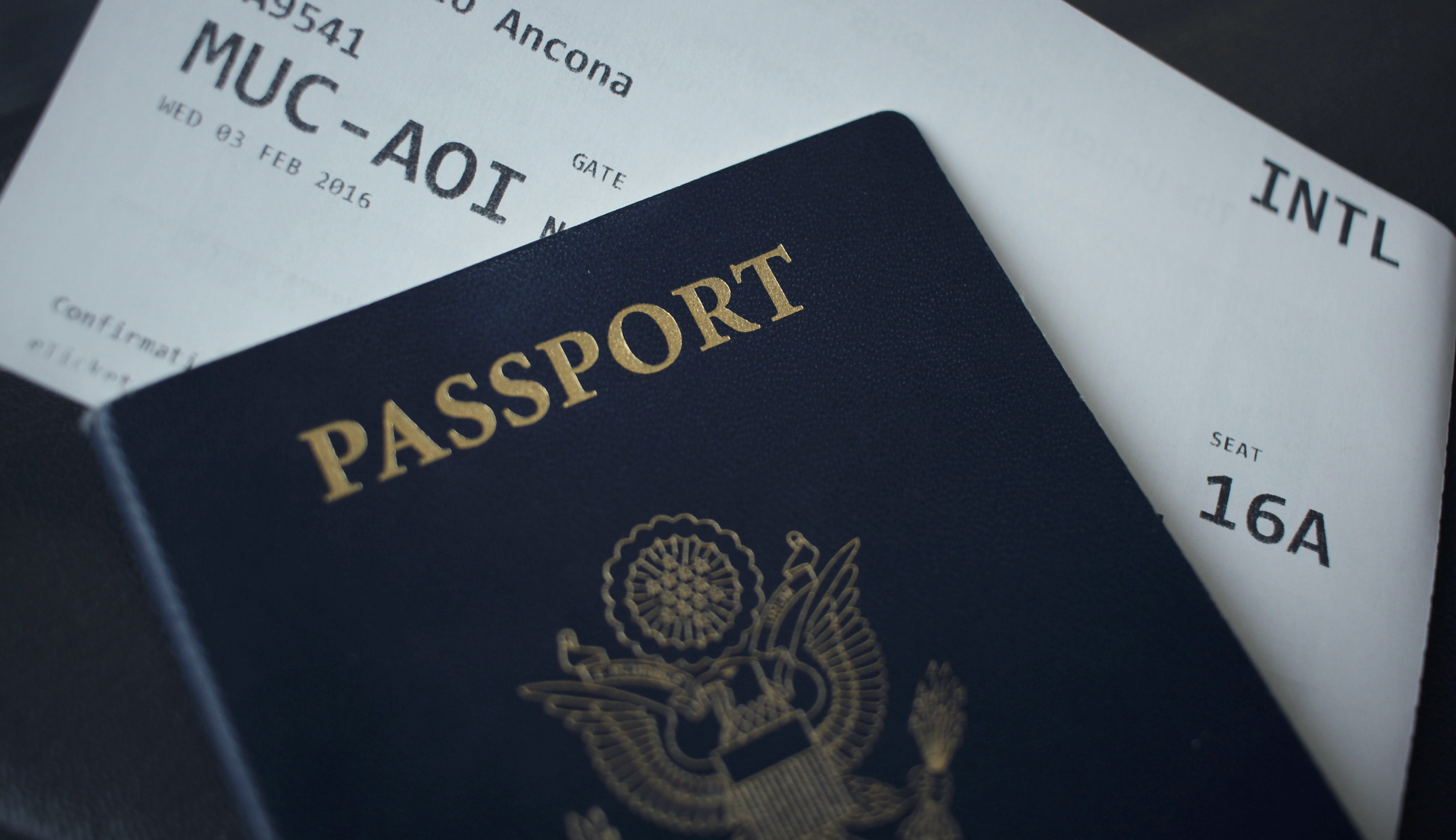
Packing for a trip used to mean checking passports, booking transfers and remembering adapters. Today, travellers have a new category to consider: digital security. As smartphones become indispensable travel companions and public networks grow more hazardous, online safety has quietly worked its way onto the pre-departure checklist.
Smartphones Have Become Essential Travel Tools
The modern traveller rarely leaves home without a fully charged phone and for good reason. According to IATA’s 2025 Global Passenger Survey, mobile devices have become central to every stage of the journey, with passengers using smartphones to book flights, manage check-in, handle payments, and process immigration. Over half of those surveyed (54%) now prefer to deal directly with airlines via mobile channels, while digital wallet adoption jumped from 20% to 28% in a single year. For many travellers, the phone has effectively replaced the wallet, the boarding pass and the phrasebook.
Why Portable Chargers and Device Prep Matter More Than Ever
With so much depending on a single device, battery anxiety has become a genuine travel concern. Portable chargers and battery packs are now standard kit for frequent flyers, sitting alongside cables and travel pillows as non-negotiables. However, travellers should be cautious about how they top up on the go. Security experts warn that public USB charging ports at airports and transit hubs can be tampered with to deliver malware or extract data, which is a practice known as “juice jacking”. Using your own wall adapter or a personal power bank is a far safer option than relying on shared charging stations.
Public Wi-Fi Has Become a Bigger Travel Security Risk
Free Wi-Fi in airports, hotels and cafés is a convenience most travellers take for granted. It also happens to be one of the easiest entry points for cybercriminals. TechRadar reports that the TSA has issued explicit warnings about fake “evil twin” hotspots designed to mimic legitimate networks, allowing attackers to intercept passwords, credit card details and business logins. Once connected, a man-in-the-middle attack can harvest sensitive data without the user ever realising. The advice is clear: avoid entering any sensitive information on unsecured public networks.
Online Security Is Becoming Part of Modern Travel Planning
Savvy travellers are responding by adding privacy tools to their pre-trip routine. Using a free VPN for Windows before departure means your connection is encrypted whether you’re checking emails at the gate or accessing online banking from a hotel room. As identity theft and digital surveillance become more mainstream concerns, integrating a VPN alongside antivirus software and two-factor authentication is rapidly becoming as standard as packing a universal adapter.
Digital preparedness is becoming a basic expectation for any traveller who relies on connected devices abroad. Updating your checklist to include cybersecurity isn’t overcaution; it’s simply keeping pace with how modern travel works.