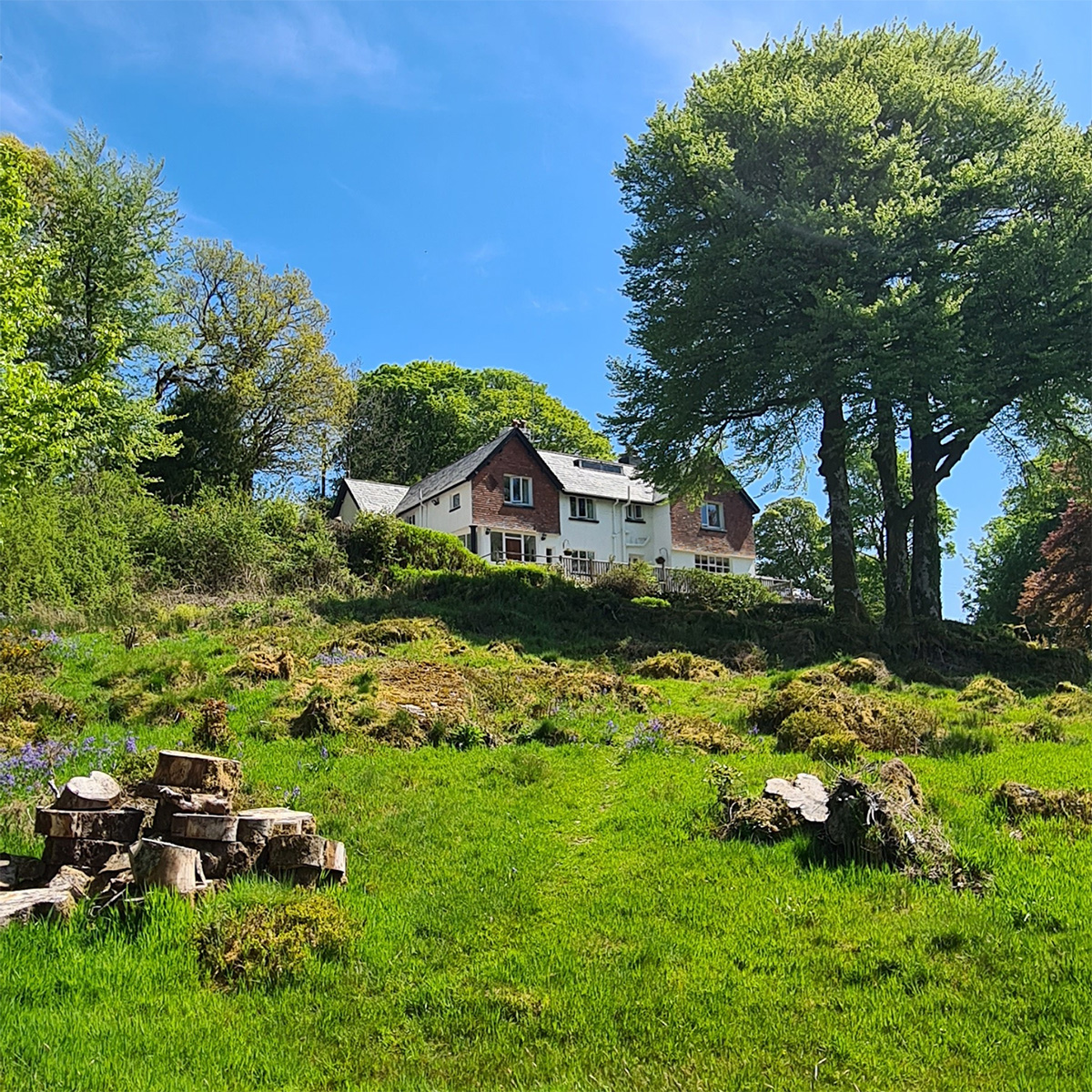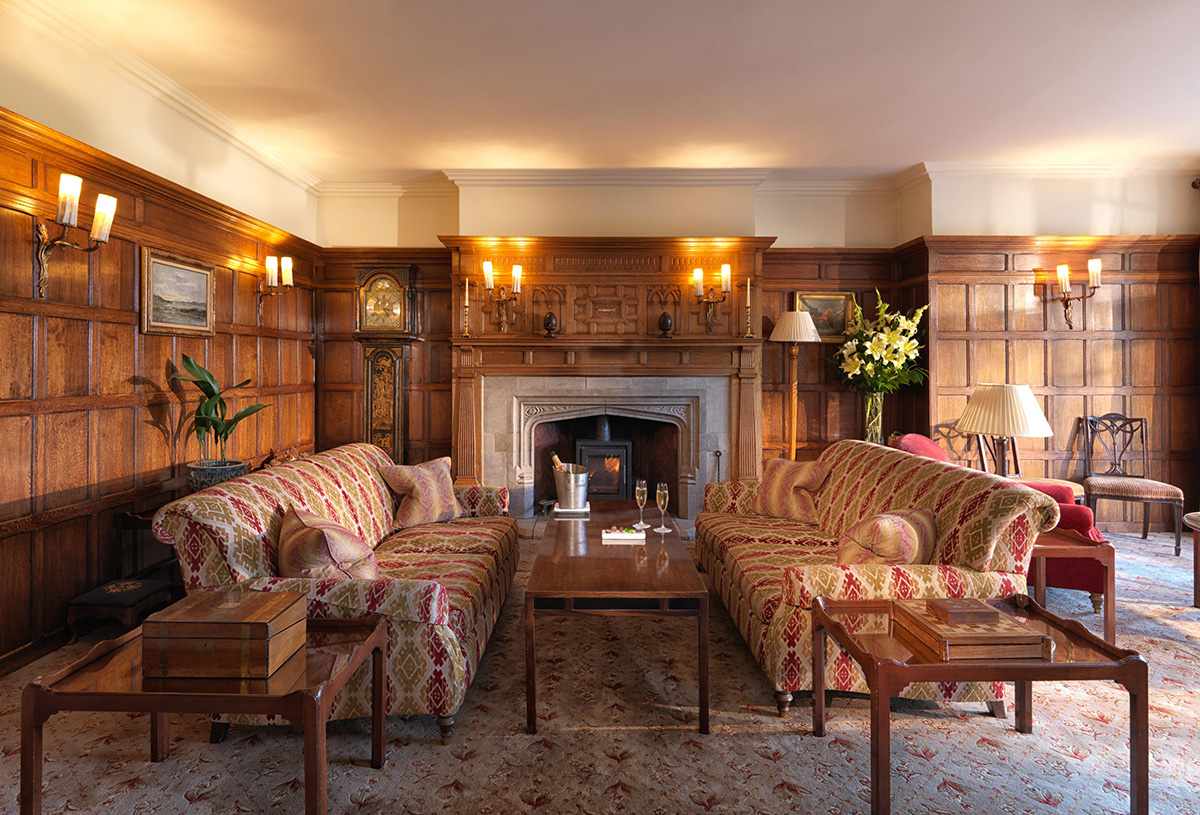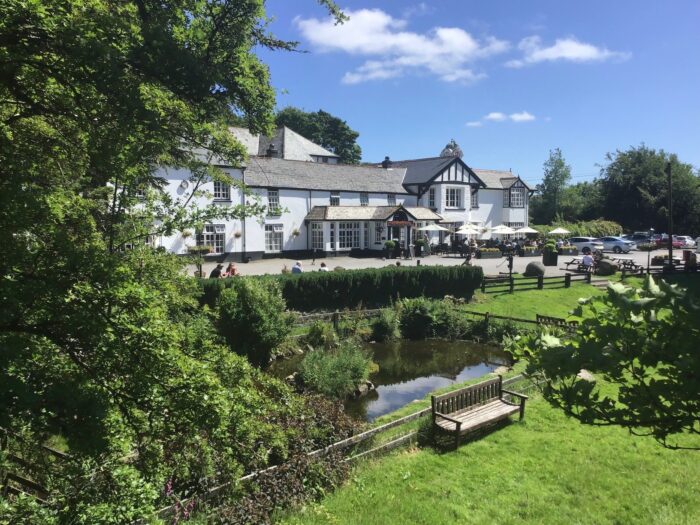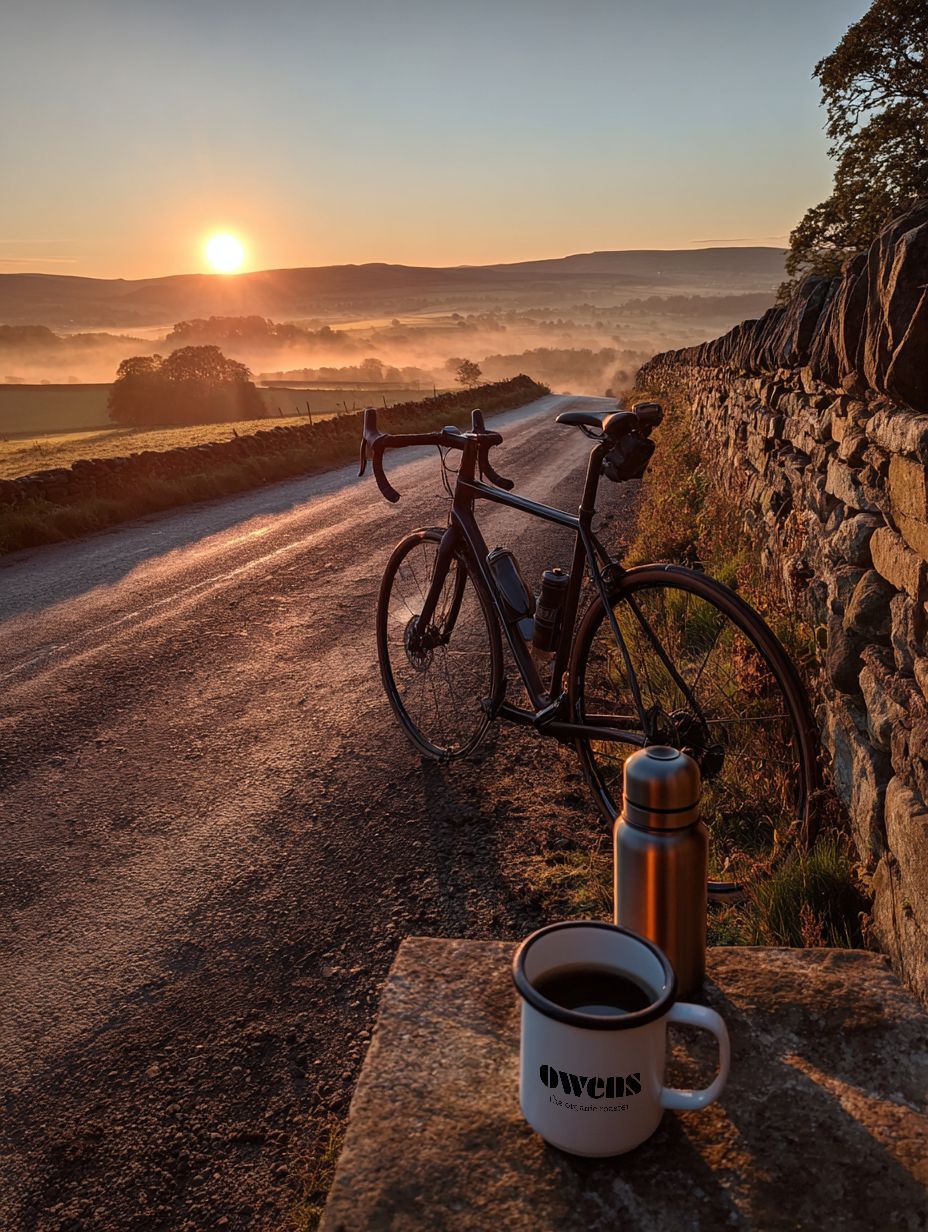
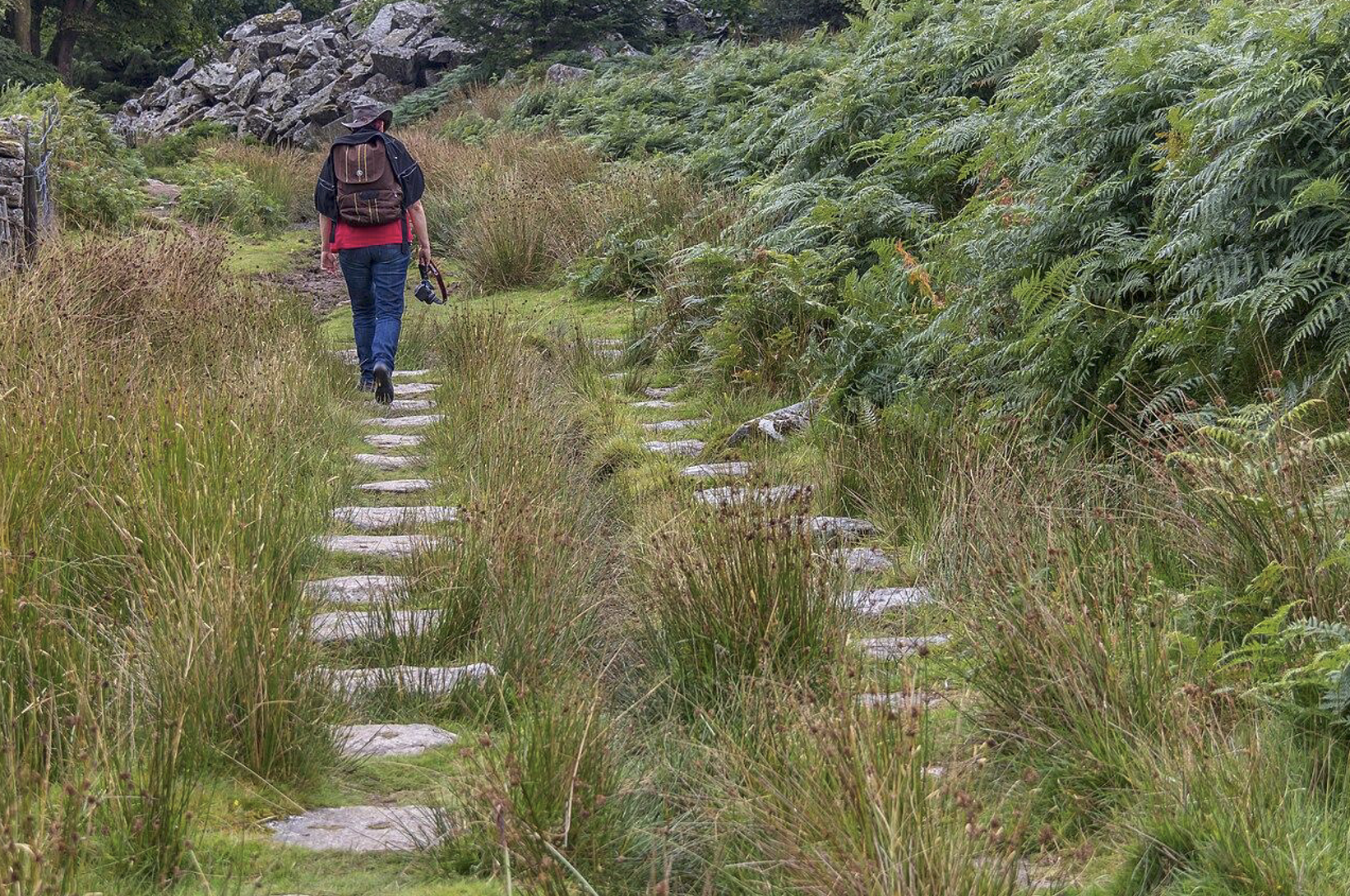
There are few places in Britain where walking feels quite as natural as it does on Dartmoor. The landscape seems to invite exploration, with open moorland stretching towards the horizon, granite tors rising unexpectedly from the hills and ancient woodlands tucked away in sheltered valleys. It is a place that changes with every mile, encouraging visitors to slow down and experience the countryside at its own pace rather than simply passing through it.
That is why Dartmoor continues to attract walkers from across the country. Whether you’re planning your first visit or returning to explore another corner of the national park, the appeal lies in its variety. Travellers looking for expertly planned walking holidays often turn to specialists such as Mickledore, whose self-guided itineraries allow walkers to experience the landscape at a comfortable pace while focusing on what makes the national park so rewarding. It is a style of travel that suits Dartmoor perfectly, where the journey is just as memorable as the destination.
Dartmoor Offers An Unrivalled Variety Of Landscapes
One of Dartmoor’s greatest strengths is the diversity packed into a relatively compact area. A single day’s walk can take you across sweeping moorland, through ancient oak woodland, alongside fast-flowing rivers and beneath towering granite outcrops. Each environment feels distinct, creating the impression that you’re travelling through several different landscapes rather than one national park.
This variety also keeps every walk engaging. Wide open expanses offer dramatic views across the moor, while sheltered valleys provide quieter moments beneath the tree canopy. Streams weave through the landscape, wildflowers brighten the paths in spring and the granite tors provide natural landmarks that have guided walkers for centuries. Few places in Britain offer such constantly changing scenery within such easy reach.
The Granite Tors Create A Landscape Unlike Anywhere Else
No feature defines Dartmoor quite like its granite tors. Rising from the moor in dramatic formations, these weathered outcrops have become symbols of the national park and provide some of its most recognisable viewpoints.
Reaching a tor on foot always feels rewarding. The climb may be gentle or challenging depending on your route, but standing at the top offers a real sense of perspective. From these elevated positions, the scale of Dartmoor becomes clear, with rolling hills, winding valleys and distant tors stretching in every direction. Haytor, Hound Tor and Great Mis Tor are among the best known, but there are dozens of others waiting to be discovered, each with its own character and history.
Every Walk Tells Part Of Dartmoor’s Story
Walking across Dartmoor is about far more than scenery. The landscape is layered with history, and many routes pass through places that have been shaped by people for thousands of years.
Prehistoric stone circles, standing stones, abandoned medieval settlements and ancient clapper bridges appear throughout the national park, often in unexpected places. These landmarks create a fascinating connection between the past and present, reminding walkers that generations have travelled these paths long before modern hiking boots and walking maps existed. Rather than feeling like isolated attractions, they become part of the wider landscape, adding depth and character to every journey.
Wildlife Adds Another Dimension To Every Walk
Although Dartmoor is famous for its landscapes, its wildlife is equally rewarding for those who take the time to notice it. Walking naturally encourages a slower pace, making it easier to spot the animals and birds that call the national park home.
The iconic Dartmoor ponies are usually the first to capture visitors’ attention, grazing peacefully across the open moor. Buzzards circle high overhead, kestrels hover patiently above the grassland and, with a little luck, red deer may appear in quieter corners of the park. Streams attract dragonflies during the warmer months, while ancient woodland echoes with birdsong in spring. These encounters are rarely predictable, and that unpredictability is part of what makes walking here so enjoyable.
The Seasons Transform Every Visit
Dartmoor is one of those rare destinations that never feels exactly the same twice. Each season changes both the appearance of the landscape and the experience of walking through it.
Spring brings fresh greenery, wildflowers and increasing wildlife activity. Summer offers long days that allow walkers to explore more ambitious routes, while purple heather begins to colour parts of the moor later in the season. Autumn introduces rich golden tones and crisp mornings that make long walks particularly enjoyable, while winter reveals a quieter, more dramatic side of Dartmoor as mist, frost and shifting skies transform familiar routes into something entirely different.
For many walkers, these seasonal changes provide the perfect excuse to return again and again.
Walking Encourages A Different Way Of Experiencing Dartmoor
Many visitors discover Dartmoor by driving between viewpoints, stopping briefly to admire the scenery before moving on. There is nothing wrong with that approach, but walking offers a completely different perspective.
Travelling on foot allows the landscape to unfold gradually. You notice how rivers shape valleys, how woodland gives way to open moor and how the weather alters the atmosphere throughout the day. Small details that would be easy to miss from a car become part of the experience, from the sound of skylarks overhead to the changing texture of the ground beneath your feet.
Walking also creates opportunities for moments of quiet reflection that are increasingly difficult to find elsewhere. Dartmoor has a remarkable ability to make everyday distractions feel distant, replacing them with the simple rhythm of placing one foot in front of the other.
There Is A Route For Every Type Of Walker
Another reason Dartmoor appeals to such a wide audience is its flexibility. Experienced walkers can tackle demanding full-day routes that cross remote sections of open moor, while those looking for something gentler will find plenty of shorter circular walks through valleys, woodland and around reservoirs.
This variety means there is no single way to experience Dartmoor. Some visitors come for challenging hikes that climb several tors in one day, while others prefer leisurely walks that combine beautiful scenery with village cafés or traditional country pubs. The national park accommodates both equally well, making it suitable for families, couples, solo travellers and experienced long-distance walkers alike.
A Few Practical Tips Before You Set Off
Dartmoor rewards preparation as much as enthusiasm. The weather can change quickly, even during summer, so carrying waterproof clothing and extra layers is always sensible. Good walking footwear is equally important, particularly on uneven or boggy ground where conditions can vary significantly from one path to another.
Navigation should also be taken seriously. While many popular routes are well established, parts of Dartmoor remain wonderfully wild and remote. Carrying a map, understanding your planned route and allowing plenty of time helps ensure that the focus remains on enjoying the walk rather than worrying about finding the way back. Starting early also offers the added advantage of quieter trails and better opportunities to experience the park’s wildlife.
Why Walkers Return To Dartmoor Time And Again
Ask regular visitors what keeps drawing them back to Dartmoor, and the answers are rarely identical. Some return for the changing seasons, others for the wildlife or the challenge of exploring another corner of the moor. Many simply appreciate the sense of space that is becoming increasingly difficult to find elsewhere.
Perhaps that is Dartmoor’s greatest achievement. It never feels like a destination that can be completely explored. Every visit reveals another path, another tor or another hidden valley waiting to be discovered. The national park encourages curiosity, rewarding those who are willing to wander a little further each time they return.
More Than A Walk, A Different Way To Experience Britain
Dartmoor reminds us that some of Britain’s most memorable travel experiences happen at walking pace. Its landscapes, history and wildlife reveal themselves gradually, rewarding curiosity rather than haste and encouraging visitors to connect with the countryside in a more meaningful way.
Whether you spend a single afternoon exploring a favourite trail or several days crossing the national park, Dartmoor offers something increasingly rare: the opportunity to slow down, look closer and experience one of Britain’s finest landscapes exactly as it deserves to be experienced—one step at a time.