Dartmoor is not gentle. It does not welcome visitors with warmth or easy paths. It offers fog, granite, and silence — and for centuries, writers have loved it fiercely for exactly that.
Covering around 954 square kilometres in Devon, England, Dartmoor National Park holds one of Britain’s most dramatic landscapes. Tors rise from the earth like broken teeth. Bogs swallow the unwary. And the light — grey, shifting, never quite the same twice — does something strange to the imagination.
Dartmoor inspires authors, but not those who enjoy light, fun beach adventures. Once you’ve read a few titles from this list, you’ll feel a sense of heaviness, but also depth. Start with free novels to read to get a better feel for the locale. FictionMe is your reliable companion on this journey.
Conan Doyle and the Beast of Grimpen Mire
No literary connection to Dartmoor runs deeper than Arthur Conan Doyle’s. He visited the area in 1901, staying near Princetown, and what he found unsettled him productively. The result was The Hound of the Baskervilles, published that same year.
Fox Tor Mire, a genuine and genuinely dangerous bog in the southern moor, is widely believed to be the model for the treacherous Grimpen Mire. The landscape barely needed embellishment. Conan Doyle simply looked, listened to local legend, and wrote.
Princetown: The Shadow of the Prison
Dartmoor Prison dominates Princetown both physically and psychologically. Built in 1809, originally for French and American prisoners of war, it imposed itself on every writer who came near it.
Eden Phillpotts, now largely forgotten but prolific in his time, set much of his Dartmoor cycle of 18 novels around this region. His 1904 novel The Farm of the Dagger draws heavily on the prison’s atmosphere. The weight of confinement seeps through the pages.
Widecombe-in-the-Moor: Folk Memory and Fiction
The village of Widecombe-in-the-Moor sits in a sheltered valley, its 14th-century church tower visible for miles. It is postcard-pretty, which makes it easy to underestimate. But the folk traditions embedded here run very deep.
The old ballad of “Widecombe Fair” — recounting the fateful journey of Tom Pearce’s grey mare — captured imaginations long before print culture formalised it. R. D. Blackmore, better known for Lorna Doone, drew on similar traditions of the West Country oral heritage. The village remains a living archive of stories.
The Hamel Down Ridge and Bronze Age Atmosphere
Writers seeking something older than history come to Hamel Down. The ridge stretches for miles, dotted with Bronze Age burial mounds some 3,500 years old. Walking it in poor weather, visibility dropping to thirty feet, it is not difficult to understand why the moor generates myth.
Beatrice Chase — pen name of Olive Katharine Parr — lived on Dartmoor for decades and wrote extensively about it in the early 20th century. She described the ridge as a place where time “folds back on itself.” Her natural writing, once popular, is overdue a revival.
Hay Tor and the Romantic Imagination
Hay Tor is the most visited point on the moor. On a clear summer weekend, it can feel almost crowded. But strip away the tourists and you find a rock formation that has haunted writers for two centuries. You’ll find many of them on the FictionMe iOS app. The Romantic poets — Keats among them — found in Dartmoor’s granite outcrops a visual language for sublime feeling.
The tor rises 457 meters and commands views across Devon to the sea. Standing at the summit in the wind, the sensation is not peace. It is exposure, which is something different and more useful to a writer.
Chagford: The Village Where Novelists Retreat
Chagford is small — around 1,500 residents — but its literary reputation is disproportionate. Evelyn Waugh wrote parts of Brideshead Revisited at the Easton Court Hotel here in 1944. He called the quiet essential.
Patrick Leigh Fermor also worked in Chagford. Writers found that the village offered seclusion without isolation, a distinction that matters enormously when a manuscript is going badly. The town still draws working writers. The pace of life there seems calibrated to thought.
Two Bridges: At the Crossroads of Stories
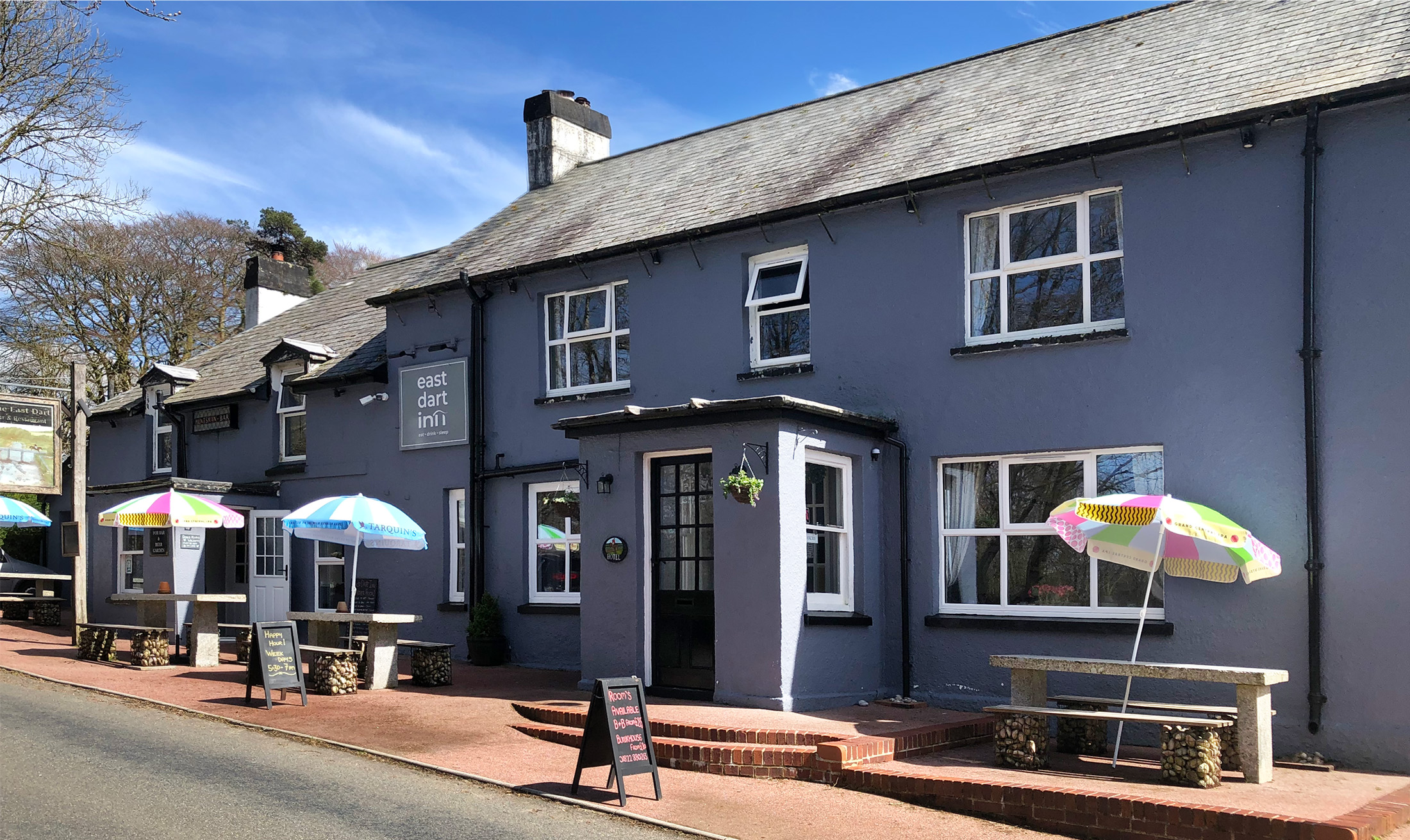
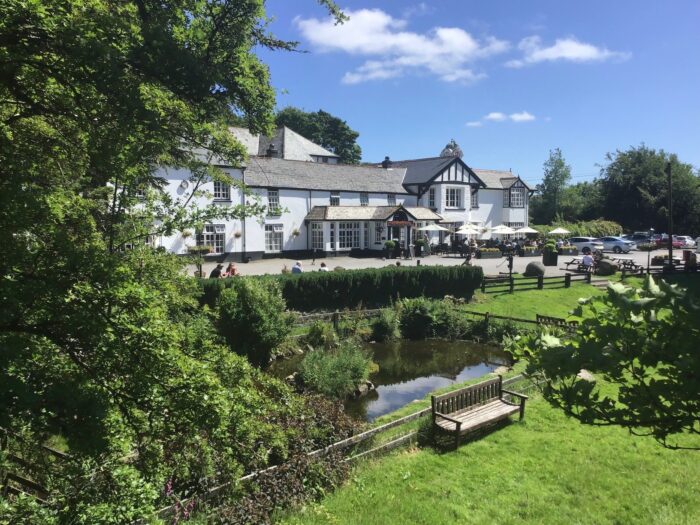
Two Bridges is not a village so much as a meeting point. Two roads cross, a river passes, an old inn stands. It is Dartmoor at its most elemental — purposeful bleakness.
William Crossing, whose 1909 Guide to Dartmoor remains the standard reference a century later, considered Two Bridges central to understanding the moor’s geography. His book is not fiction, but it reads like it. The landscape, described with meticulous care, becomes a character in its own right.
What the Moor Asks of Writers
Dartmoor demands honesty. It is too large and too indifferent for sentiment. Writers who have spent real time here — not a tourist afternoon but weeks, seasons — tend to produce their most unguarded work.
The statistics suggest the moor’s power endures commercially too. The Hound of the Baskervilles remains one of the top 10 most adapted novels in screen history, with over 24 film versions. Over 2.4 million people visit Dartmoor annually. The landscape sells itself. It always has.
The Living Literary Landscape
Dartmoor is not a museum of past inspiration. Contemporary writers continue to arrive. The moor appears in recent crime fiction, in literary novels, in nature writing that grapples with climate and loss. The granite doesn’t care about trends. It simply remains.
What connects Conan Doyle to Evelyn Waugh, Phillpotts to Beatrice Chase, is not genre or era. It is the experience of standing somewhere that diminishes you productively — that makes the noise of ordinary life fall away and leaves only the story that needs telling.