Dartmoor is one of those places that gets under your skin. It is wild, ancient, and full of surprises. But here is something that many visitors do not realize until they actually explore the moor properly: east Dartmoor and north Dartmoor feel like two completely different worlds. Both sit within the same national park, yet they offer totally contrasting experiences.
Whether you are a seasoned walker, a nature lover, or someone who has just arrived in the UK after one of the major cruises from Southampton and is looking for an unforgettable inland adventure, this comparison will help you decide where to head first.
The Personality of East Dartmoor
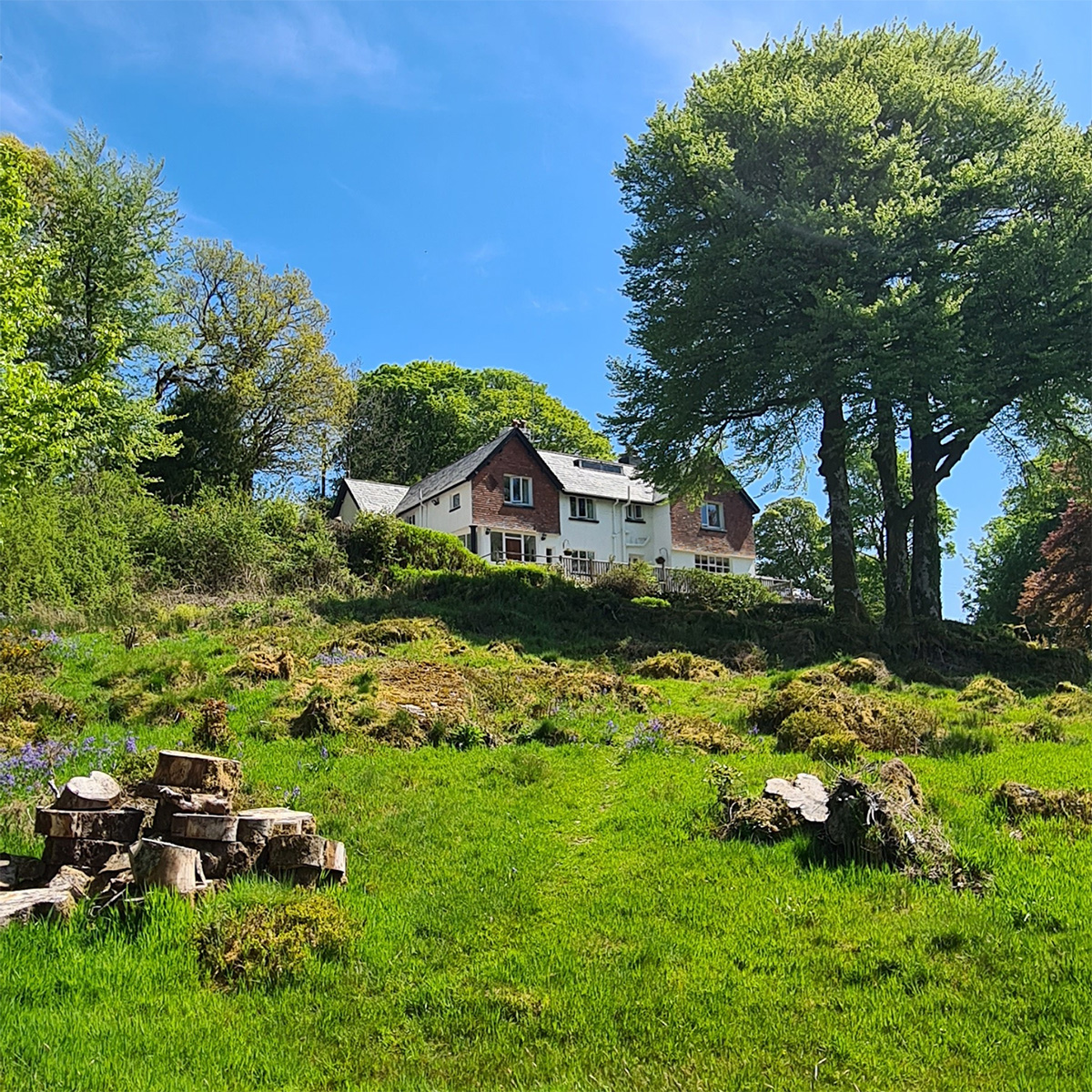
East Dartmoor is the gentler, more welcoming side of the moor. The landscape here rolls rather than towers, with soft valleys, ancient woodland, and rivers that meander peacefully through the terrain. Places like Lustleigh Cleave and the Bovey Valley feel almost fairy-tale-like, especially in autumn when the trees turn deep amber and copper.
This part of the moor suits families and those who want to enjoy a proper walk without tackling anything too steep or exposed. It feels approachable, and that warmth in the landscape really does make a difference when you are getting to know Dartmoor for the first time.
The Raw Power of North Dartmoor
North Dartmoor is a completely different story. This is where the moor shows its teeth. The high ground around Okehampton and the northern tors is open, bleak in the best possible way, and breathtakingly vast. You can stand on Yes Tor or High Willhays, the highest points in southern England, and feel genuinely small.
The wind picks up fast, the skies feel enormous, and the boggy ground reminds you that nature is firmly in charge here. It is the kind of landscape that serious hikers and wild campers dream about, and it absolutely delivers on that promise.
Rivers and Valleys: A Study in Contrast
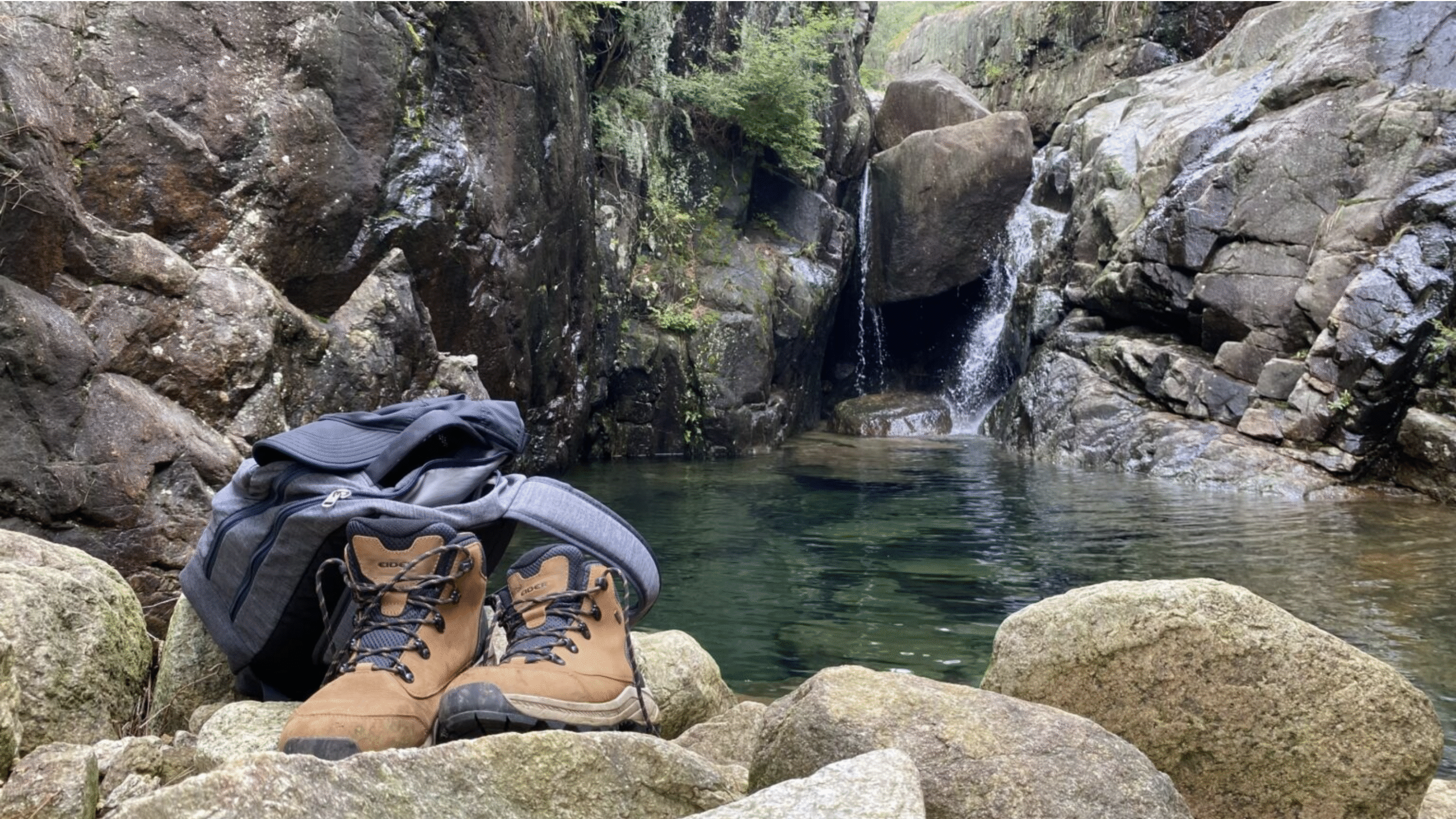
The rivers tell the story of each area better than anything else. In the east, the River Bovey and the Teign move quietly through sheltered woodland valleys, creating peaceful corridors perfect for a stroll. In the north, the West Okement and Taw rivers are faster, rougher, and less forgiving.
They cut through open moorland rather than cosy woodland, and the valleys they carve feel exposed and dramatic. Both sets of rivers are beautiful, but they speak a very different language. The eastern rivers whisper, while the northern ones roar.
Wildlife and Nature Up Close
Both areas reward patient observers, but the species you encounter differ quite a bit. In the east, the woodland habitats support pied flycatchers, wood warblers, and the occasional dormouse tucked away in the undergrowth. The ancient oak forests here are genuinely special and are recognized as some of the finest in the country.
In the north, you are more likely to spot skylarks rising from the grass, Dartmoor ponies grazing freely, and if you are lucky, a merlin or peregrine falcon cutting across the open sky. The biodiversity across the whole moor is extraordinary, and whichever direction you choose, nature will not disappoint.
History Written in Stone
Dartmoor has more prehistoric monuments per square mile than almost anywhere else in Europe, and both areas carry that history proudly. The east tends to hide its ancient sites within its wooded landscape, with standing stones and old farmsteads tucked between the trees. The north, with its open terrain, makes these sites impossible to miss.
Stone rows, burial chambers, and Bronze Age enclosures sit right out in the open at places like Shovel Down and around the Teign gorge area. Walking through these sites on a misty morning, with no one else around, is genuinely one of the most powerful experiences Dartmoor can offer.
Getting There and Getting Around
Access to both areas is fairly straightforward, though north Dartmoor requires a bit more planning. Okehampton serves as a solid base for exploring the northern reaches, with good transport links and plenty of accommodation. East Dartmoor is arguably easier to dip into quickly, with the town of Bovey Tracey acting as a welcoming gateway.
Dartmoor is a popular stop for visitors touring the southwest of England, and many travellers who arrive via major cruises use the region as a wonderful contrast to the coastal scenery they have already enjoyed. A hire car gives the most flexibility, though local buses do cover some key routes seasonally.
Which Side Should You Visit First?
Honestly, the answer depends entirely on what kind of adventurer you are. If the idea of getting lost in ancient woodland, following a river downstream, and ending the day in a cosy village pub sounds perfect, then east Dartmoor is calling your name.
If you want to feel the full force of the moor, to stand on top of England and see for miles in every direction, then north Dartmoor is where you need to be. Many visitors end up doing both, which is absolutely the right move because the contrast between the two makes each one even more memorable.
Conclusion
Dartmoor is not a single experience. It is a collection of moods, landscapes, and stories that reveal themselves slowly the more time you spend there. East and north Dartmoor sit side by side on the map, yet they could not feel more different in person.
The east soothes, the north thrills, and together they make one of the most remarkable national parks in the whole of the UK. Whatever draws you there, be it history, wildlife, walking, or simply the need to stand somewhere that feels truly wild, Dartmoor will give you something to carry home long after your boots have dried out.