
Dartmoor is the kind of place where a short drive can take you from open moorland and granite tors to wooded valleys, rivers, and historic sites. Covering about 954 square kilometers, the national park has some of the best photography locations to enrich a portfolio of any landscape photographer.
In this guide, we present some distinct views and photographic opportunities this national park offers. With our recommendations, you can choose locations that fit your route, interests, and available time. For any commercial photography, additional landowner permissions may be required because much of Dartmoor is privately owned.
1. Haytor Rocks
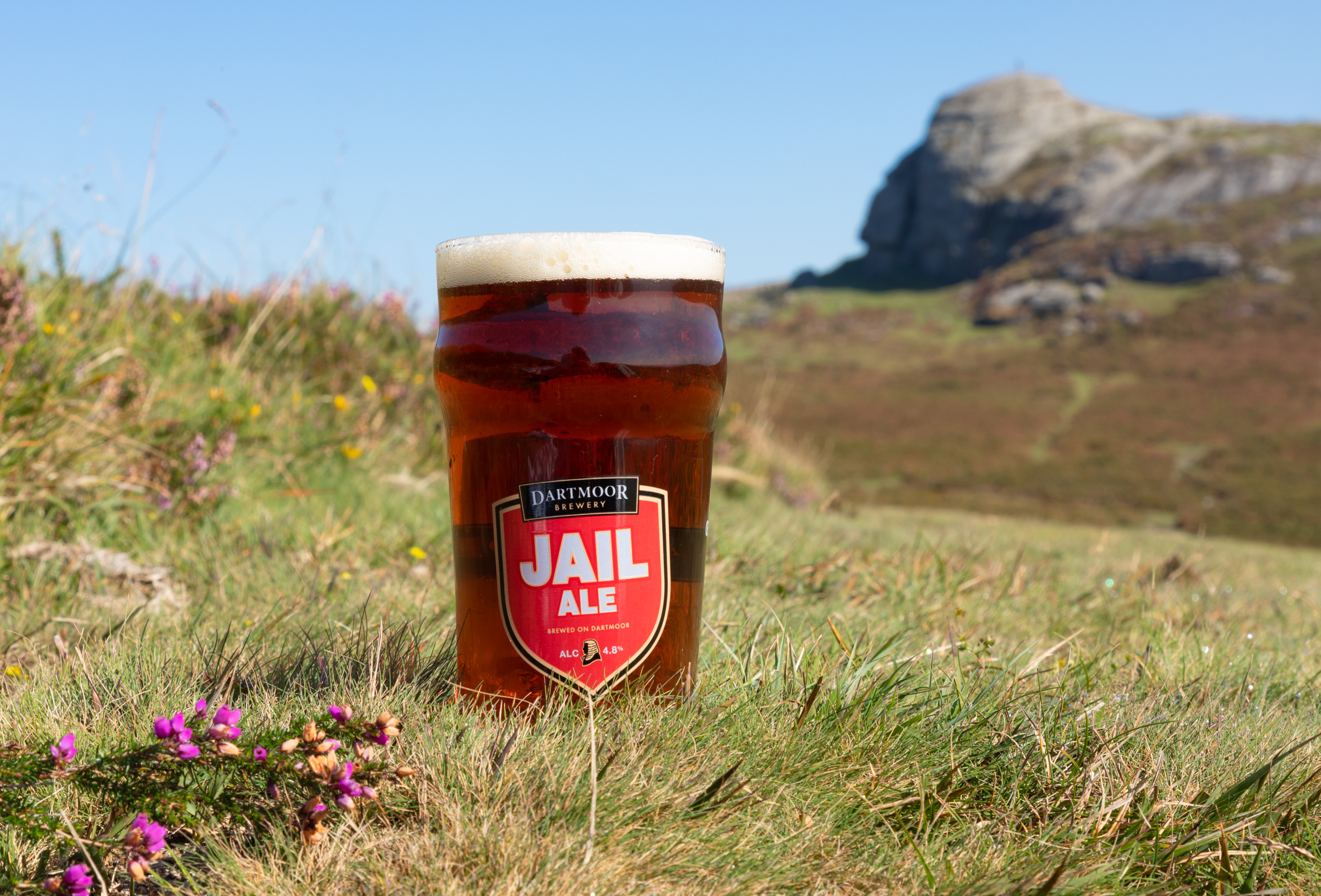
If you are wondering where to visit on Dartmoor for broad views across the surrounding countryside, Haytor Rocks will work perfectly. The granite outcrops rise above the open moor, offering a strong foreground. Wide-angle shots that demonstrate the landscape’s vastness also prove fascinating.
The nearby Haytor Quarry adds another layer to the scene. Its old granite workings and the historic Granite Tramway provide interesting lines and textures that can add abstract and fine-art elements to your pictures if you experiment with close-up techniques.
Before setting out, check the forecast and the latest visitor information, as Dartmoor is known for its changeable weather. If the weather changes unexpectedly and the sky becomes gray and dull, ensure your photo editing software has specialised tools to add sky to an image, making it look lively and vibrant.
2. Hound Tor
Every history lover wondering what to see in Dartmoor should take some time to admire the medieval settlement of Hound Tor. The settlement contains the remains of several longhouses and other buildings.
It is one of the most notable archaeological sites lost among the natural wonders, and you should show this contrast in pictures. Try including the ruined buildings in the foreground with the granite rocks behind them. You can also photograph the settlement on its own, focusing on the stone walls and shapes rather than always aiming for a wide landscape.
3. Lydford Gorge
If you want to add secluded wooded landscapes to the photo gallery full of open moorlands, the Lydford Gorge is your ideal photo spot. The main attraction is Whitelady Waterfall, which drops around 30 meters through the gorge. Further along, the Devil’s Cauldron is a dramatic section where the river has carved through the rock.
Experiment with photo compositions. Try including surrounding trees and rock walls around the waterfall instead of filling the frame with falling water alone. Along the river, look for smaller details such as wet rocks, moss, and reflections that show the character of the gorge.
The terrain is uneven, with steep sections and steps, so ensure your shoes are sturdy and comfortable. Check the current access information online before visiting, as parts of the route can be affected by maintenance or changing conditions.
4. Brent Tor
If you want to add an architectural element with a sense of place and history to your landscape photo collection, consider capturing St Michael de Rupe, a small historic church standing atop the rocky tor. The church dates back to the 12th century. The later medieval additions made the architectural ensemble more interesting and diverse.
The location works especially well for photographs that combine architecture with the surrounding landscape. From lower viewpoints, the church and rocky summit create a clear focal point, while wider compositions can place the tor within the countryside around western Dartmoor.
5. Meldon Reservoir
Meldon Reservoir brings water into the landscape, making your visual narrative more versatile. Try photographing the reservoir from different viewpoints rather than relying on a single wide composition. On a calm day, the water can provide a simple reflection, while the surrounding granite and vegetation give the foreground more depth.
The area has a dedicated car park with public toilets and an information point, making it a convenient stop for travelers exploring northern Dartmoor. The recent improvements include new accessible picnic tables around the reservoir and car park.
Conclusion
Dartmoor rewards travelers who take time to explore beyond a single viewpoint. Pick a few spots that match your interests, leave some flexibility in your schedule, and let the weather shape the experience. With a little planning, your Dartmoor trip can become both an enjoyable adventure and a varied collection of landscape photographs.