
Four bars at the car park. One bar at the tor. Zero bars in the valley where the view is best. That’s the entire tension of working remotely from Dartmoor in a single sentence, and most people solve it the wrong way by dragging a laptop onto a granite outcrop and hoping.
You don’t need to. You need a schedule that respects the moor’s dead zones and its weather, plus a phone that stays connected without touching your home carrier’s roaming rates. That last part is easier than it used to be. On my last trip, I set up a Nomad eSIM before leaving the house, activated it on the drive down, and kept my usual number live for calls while all the data ran through the local network.
Here’s what this guide covers: where the signal actually works, the strongest free work spots on the moor’s edges, a daily rhythm I’d copy, and the gear that earns its place in your bag. If you want a Nomad eSIM review from someone who used one on Dartmoor for eight days rather than at an airport, this is that too.
Where the signal actually works on Dartmoor
Dartmoor is not uniformly offline. It’s patchy, and the patches are predictable enough to plan around.
Princetown, Moretonhampstead, Chagford, Buckfastleigh and Ashburton all have usable mobile data and places to sit. The villages off the B3212 tend to be better than the villages off the B3357. Anything inside a granite valley, and anything below the tree line in the Wistman’s Wood direction, is a coin flip at best.
The high moor is the real problem. Get above roughly the 400 metre contour, and you’re relying on line of sight, which means a tor summit can be excellent while a hundred metres downhill is dead. I’ve had full signal on top of Sheeps Tor and nothing at all in the lane below it. Plan your work around the towns and your walking around the summits. Never the other way round.
The Doughnut Rule is the framework I use now: treat the high moor as the hole in the middle and do your meetings in the ring of towns around it. Every workday starts and ends in the ring. The hole is for walking, and you accept it’s offline.
How do you find a desk that isn’t a desk?
You probably don’t want a co-working day pass. Dartmoor’s strength is that its best “offices” are cheap or free.
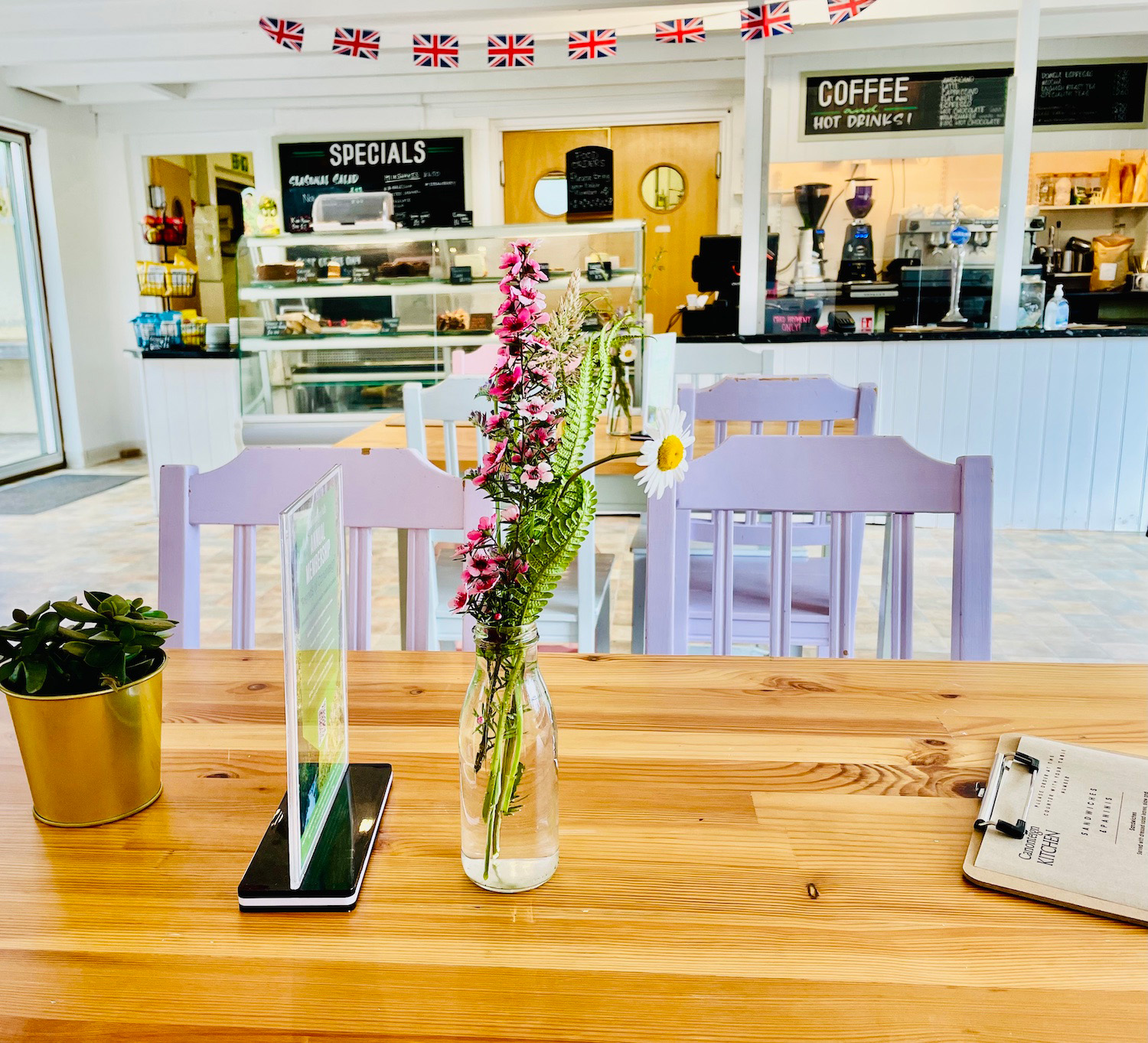
- Village cafes in Chagford and Moretonhampstead. Buy two coffees, stay ninety minutes, nobody minds.
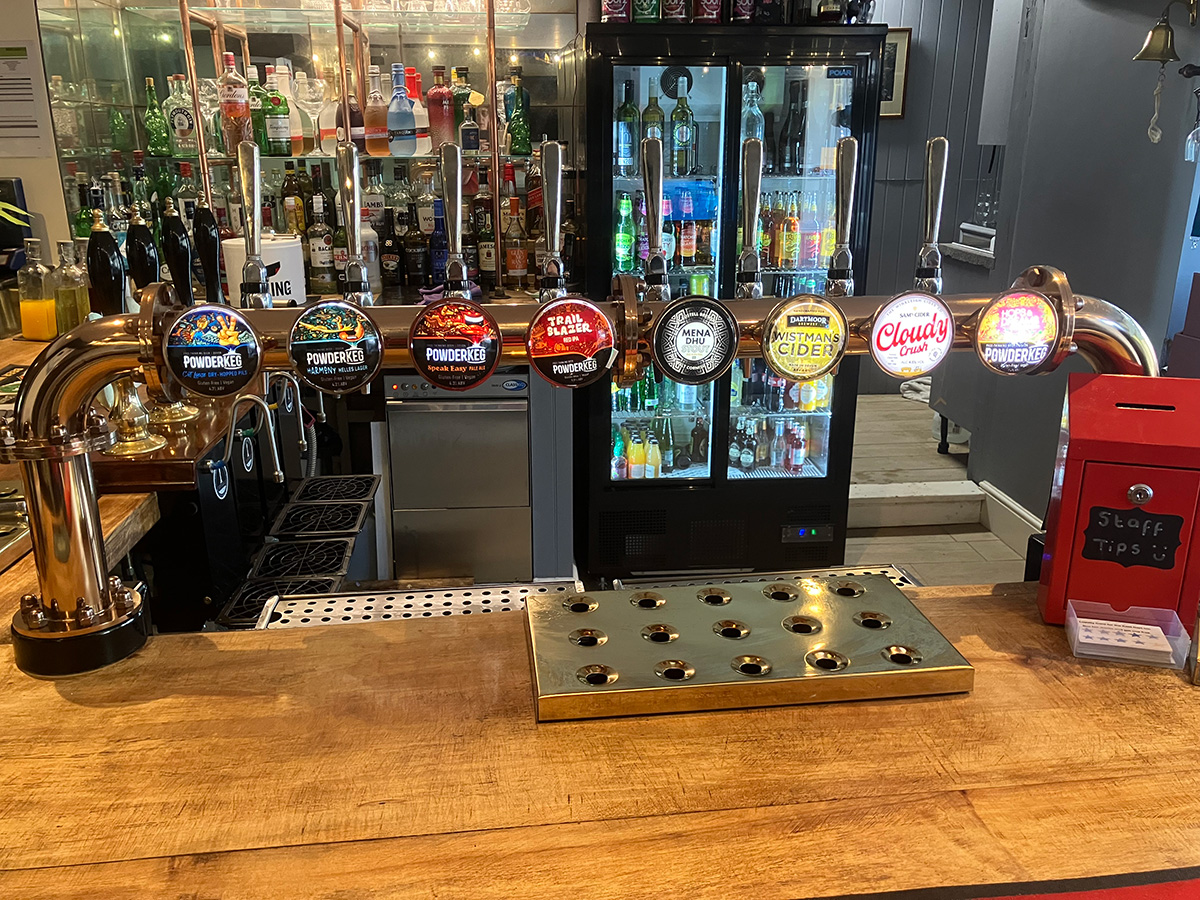
- Pub back rooms during the day. Quieter than you’d expect between 11 am and 4 pm, and the wifi is often better than the coffee shops.
- Library and community hubs in the larger towns, which are free, warm, and have actual tables.
- Your accommodation, if you booked somewhere with fibre rather than a holiday let with a copper line and hope.
Ask about upload speed specifically when you book. Download figures get quoted constantly; upload is what kills a video call.
A daily rhythm I’d copy
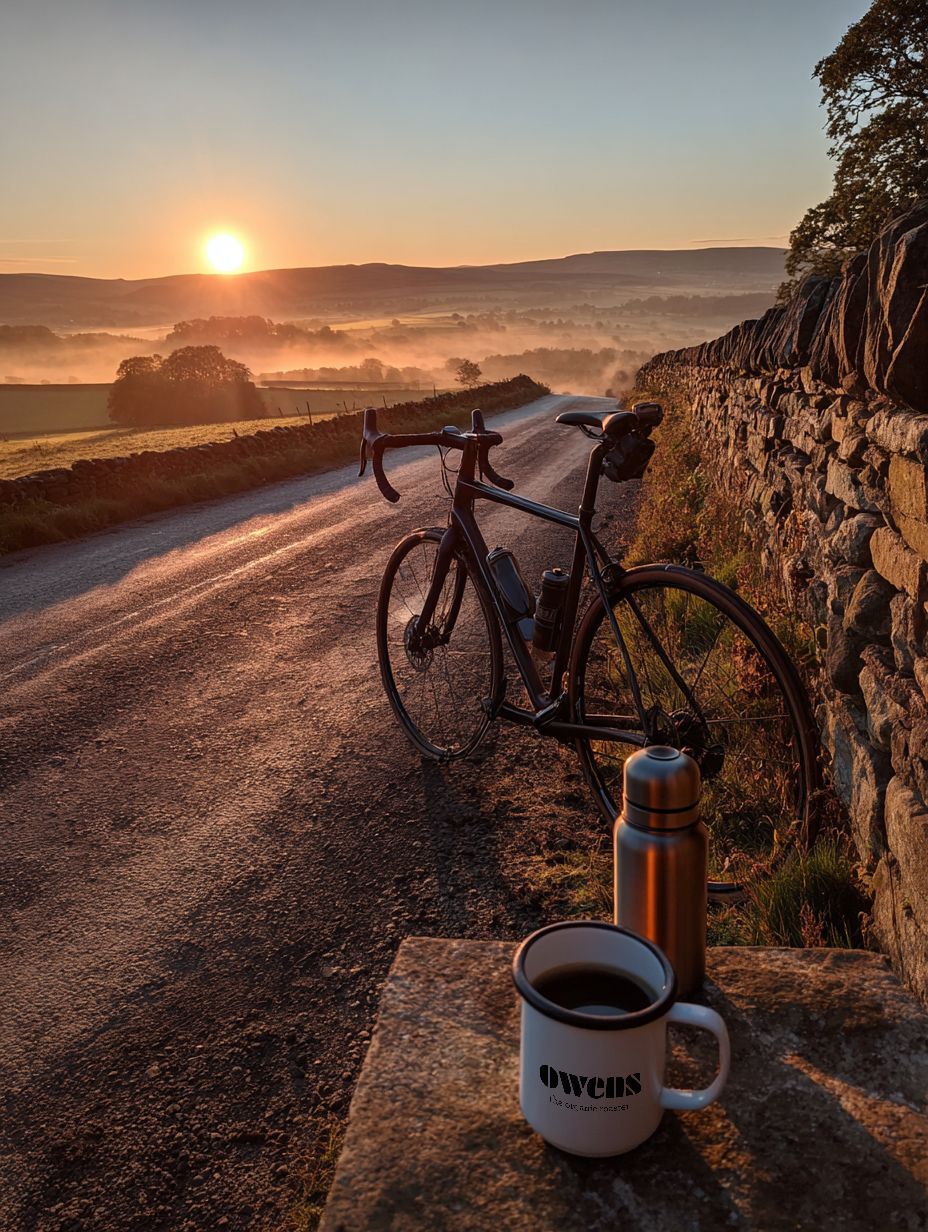
Wake early. Dartmoor in the morning is empty, and the light is worth the alarm. Walk from 6:30 to 9:00, back at your base by 9:30 with wet boots off and coffee on. Work 9:30 to 13:00 on the connection you’ve already tested. That covers the bulk of your meetings if you’re on UK hours, and if you’re on US hours, this is your deep work block instead.
Eat, then take the second walk from 14:00 to 16:00. This is the one most people skip and the one that makes the whole arrangement bearable. Then work again from 16:00 to 18:30.
Two walks a day, two focused blocks. I’ve tried three walks and one long block, and it fails because a four-hour stretch on patchy wifi turns into four hours of refreshing.
The gear that earns its place
You need less than the internet tells you. You do need a spare battery bank, because GPS tracking and photo syncing on the moor drains a phone fast, and charging points in remote pubs are scarce.
Bring a physical map and a compass. Phone navigation fails the moment the signal does, and the moor has real weather. According to the Met Office, upland areas of southwest England see far more rainfall than the surrounding lowlands, which is why a waterproof shell lives in your bag permanently rather than in the car.
A short USB cable and a wall plug with two ports solve most charging anxiety. Add a lightweight tripod only if you film. Skip the satellite messenger unless you’re going well off the marked paths, in which case get one and stop arguing with yourself about it.
Connectivity, data and the roaming question
Your home carrier will happily sell you a daily roaming pass. Run the arithmetic over a two-week trip, and it usually looks bad next to a local or regional data plan.
An eSIM is a digital SIM you install by scanning a code, so you can keep your normal line active for bank codes and calls while data runs on the second profile. That’s the arrangement that matters when you’re waiting on a verification text and standing in a Chagford car park. Public rights of way across England are mapped and walked by millions each year according to GOV.UK, which is why even small moorland towns have decent coverage near their centres and nothing a mile out. Install before you travel. Doing it on arrival, tired, on hotel wifi, is the version where something goes wrong.
Rules, respect and the parts people forget
The moor has rules that exist for good reasons. Keep dogs on leads around livestock and ground-nesting birds between spring and late summer. Don’t park on verges. Close gates.
Where you stop matters for your work too: land managed by the National Trust and similar bodies has visitor facilities, and facilities usually mean a bench, a toilet and sometimes a signal.
What I’d actually do
Book accommodation near a town, not deep on the moor. Install your data plan before you leave. Walk at dawn and mid-afternoon and work in between. Test your connection at your base on day one and never move a meeting to a location you haven’t personally checked.
The moor rewards people who plan around its gaps instead of fighting them. So which of those two walks are you going to actually take, the dawn one or the afternoon one?