Driving to Dartmoor is what most people do. The A30 is right there, the sat nav handles the rest, and nobody really questions it. But if you’ve ever wasted a sunny Saturday doing laps of the Haytor car park or sitting bumper-to-bumper through Postbridge, you already know how that story ends.
Since the Dartmoor Line reopened between Exeter and Okehampton, getting to the national park by train has become properly easy. It takes the stress out of parking, it’s cheap, and it drops you on the edge of the moor with walking routes starting right from the platform. Here’s what the service actually looks like and why it’ll probably change how you plan your next trip.
Why the Dartmoor Line?
Great Western Railway runs trains from Exeter St Davids to Okehampton every hour, all week. You’ll be there in about 40 minutes after a stop at Crediton, and most services also call at Exeter Central. An Anytime Day Return costs around £9, and a single is under £5.
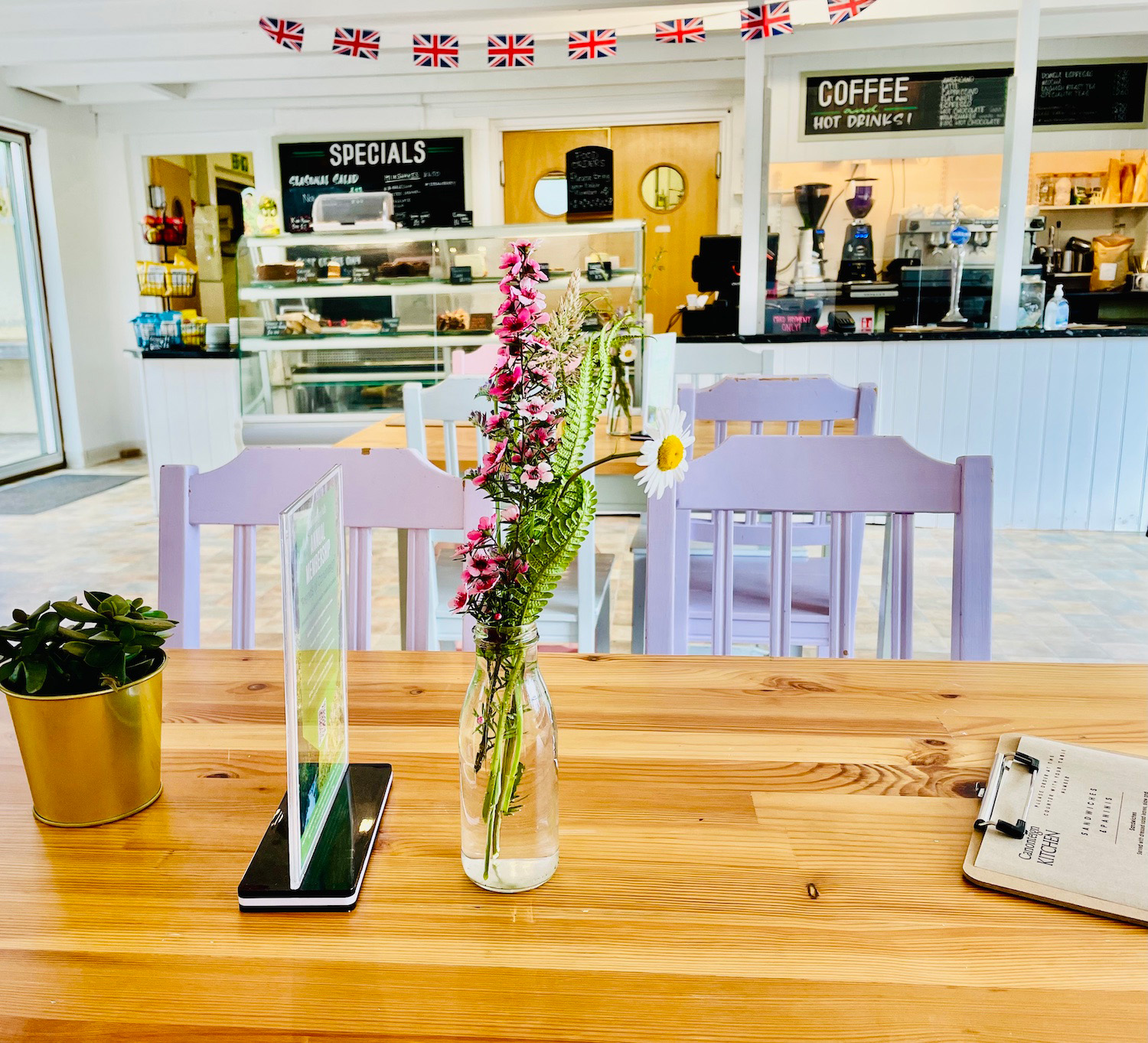
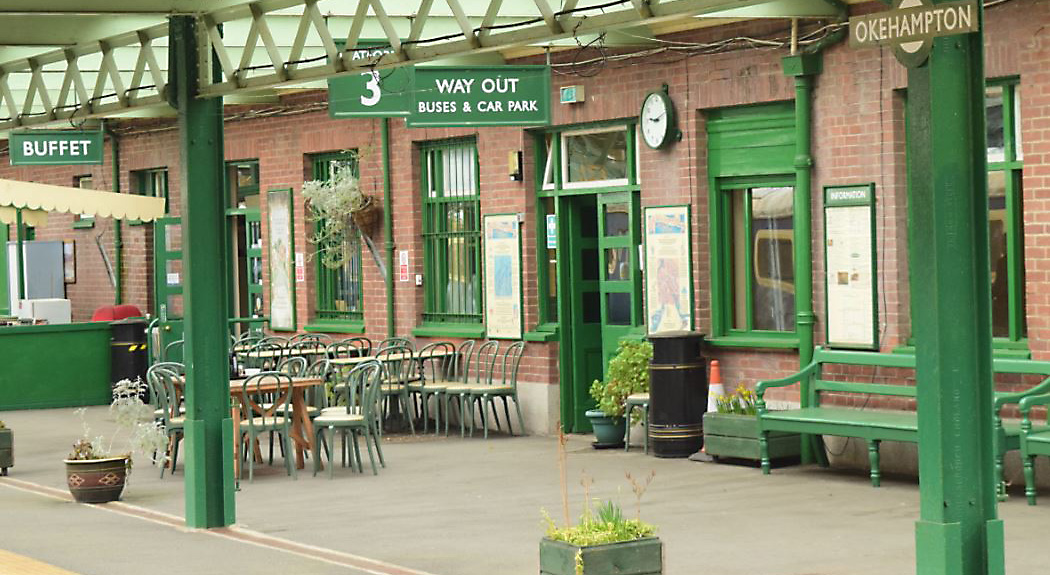
Once you step off at Okehampton, you’re already on the northern edge of Dartmoor National Park. There’s a National Park information centre at the station, an independent cafe called the Bulleid Buffet, and Granite Way Cycles right across the road if you want to hire a bike. You won’t be stuck.
If you’re travelling from further away and connecting through Exeter, make sure to take a look at Split My Fare for any split ticketing opportunities that can cut the cost of longer routes by automatically splitting your ticket into cheaper segments. This method is perfect for longer trips as the savings stack up fast on cross-country journeys with lots of stops.
Walks That Start From the Platform
Five walking routes with free directions start right at the station, and they cover everything from a two-mile stroll to a proper full day on the high moor. The East Okement Valley route is about seven miles and takes you through woodland to the village of Belstone before crossing open moorland on the return.
If you want something bigger, the route to High Willhays, the highest point in southern England, is 8.5 miles out and back from the station door. It crosses the Okehampton firing range, so check the Dartmoor firing programme before you set off, and don’t cross the red and white range poles if red flags are flying. Paths on the open moor are rarely signposted either, so take a map and compass, especially if the cloud comes down.
Because the train runs hourly, you don’t need to arrange a car shuttle or stress about reaching a distant trailhead. Just walk, and the service will be there when you’re done. There’s also a short route through Simmons Park into Okehampton town itself, where you’ll find the Museum of Dartmoor Life and Okehampton Castle.
Beyond Okehampton by Bus and Bike
Right outside the station, the 118 bus to Tavistock calls every other hour, timed to meet the train, stopping at Lydford on the way. That opens up Lydford Gorge, Lydford Castle and the market town buzz of Tavistock, all without needing your own wheels. Bus fares top out at £3 if you’ve got a valid rail ticket.
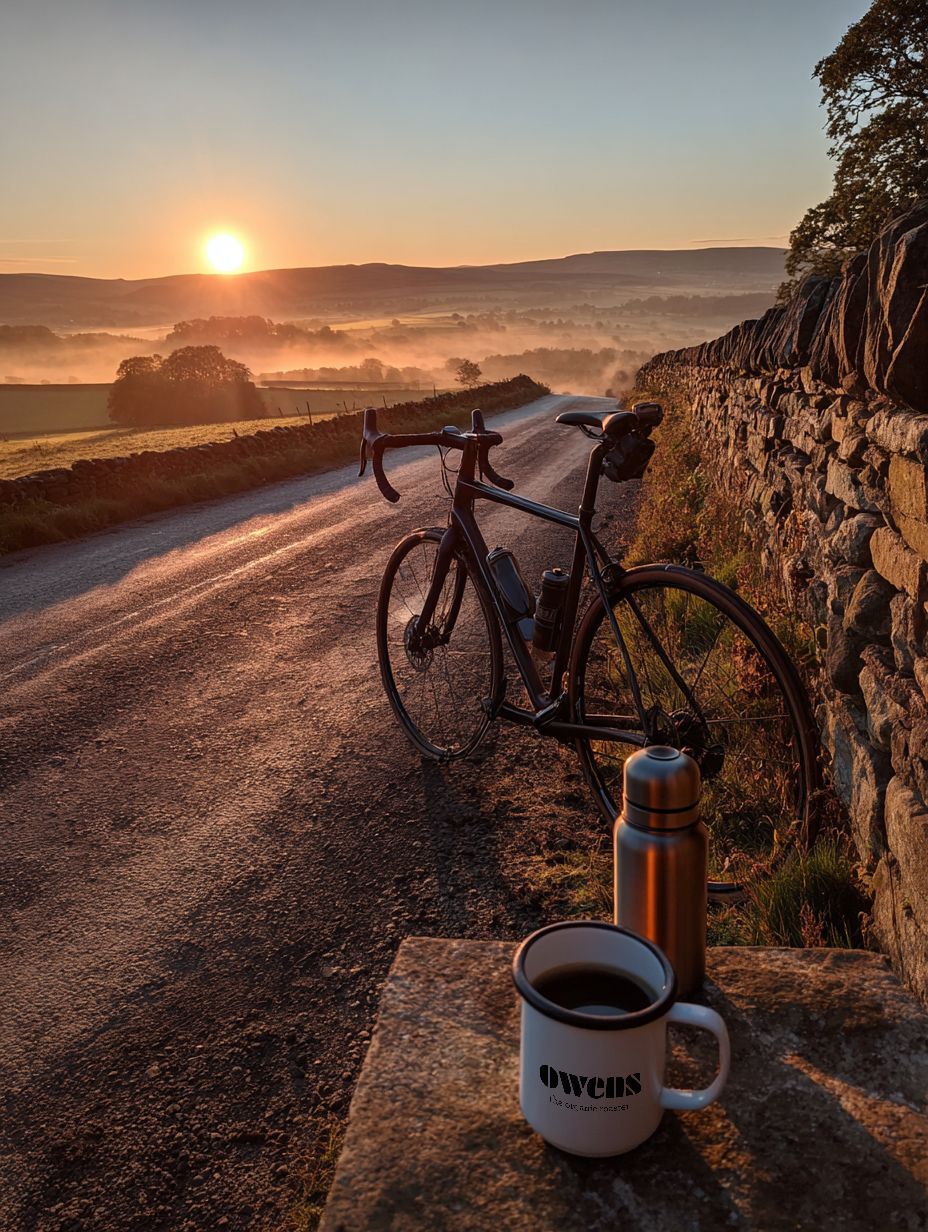
Cycling is the other option. The Granite Way runs 11 miles from Okehampton station across Meldon Viaduct to Lydford, and you can hire bikes from Granite Way Cycles opposite the platform. Ride at whatever pace suits you through some of the best northern moorland scenery in the park.
Why Driving Is Often the Worst Option
A visitor survey by the Dartmoor National Park Authority found that speeding cars and badly parked vehicles are the two biggest complaints from people visiting the moor. The unfenced roads across the open moor carry a 40mph speed limit to protect the cattle, sheep and ponies that roam freely across them. Double yellow lines have gone in at Two Bridges after years of people blocking the road, and parking charges apply at several popular spots including Postbridge and Haytor.
On a busy weekend, you’ll genuinely spend more time hunting for a space than actually walking. The train removes all of that. You’ve got a fixed base at Okehampton with buses, bikes and footpaths heading out in every direction, and you won’t burn a penny on fuel or parking.
Leave the Car and Let the Moor Come to You
Regular services returned to this line in 2021 after nearly 50 years without them, and the new Okehampton Interchange station opened in August 2026 with a 200-space car park near the A30 for anyone who wants to drive part of the way and take the train from there. More money is going into car-free access because fewer vehicles on the moor means less damage to verges, less stress on livestock, less congestion, and a better day out for everyone.
Dartmoor is one of the few national parks where you genuinely don’t need a car after you arrive. An hourly train, walking routes from the platform, bike hire next door and bus links to Tavistock and Lydford will get you further than most people manage by car in a day. And when you’re surrounded by open moorland instead of queuing traffic, the whole trip just hits differently.