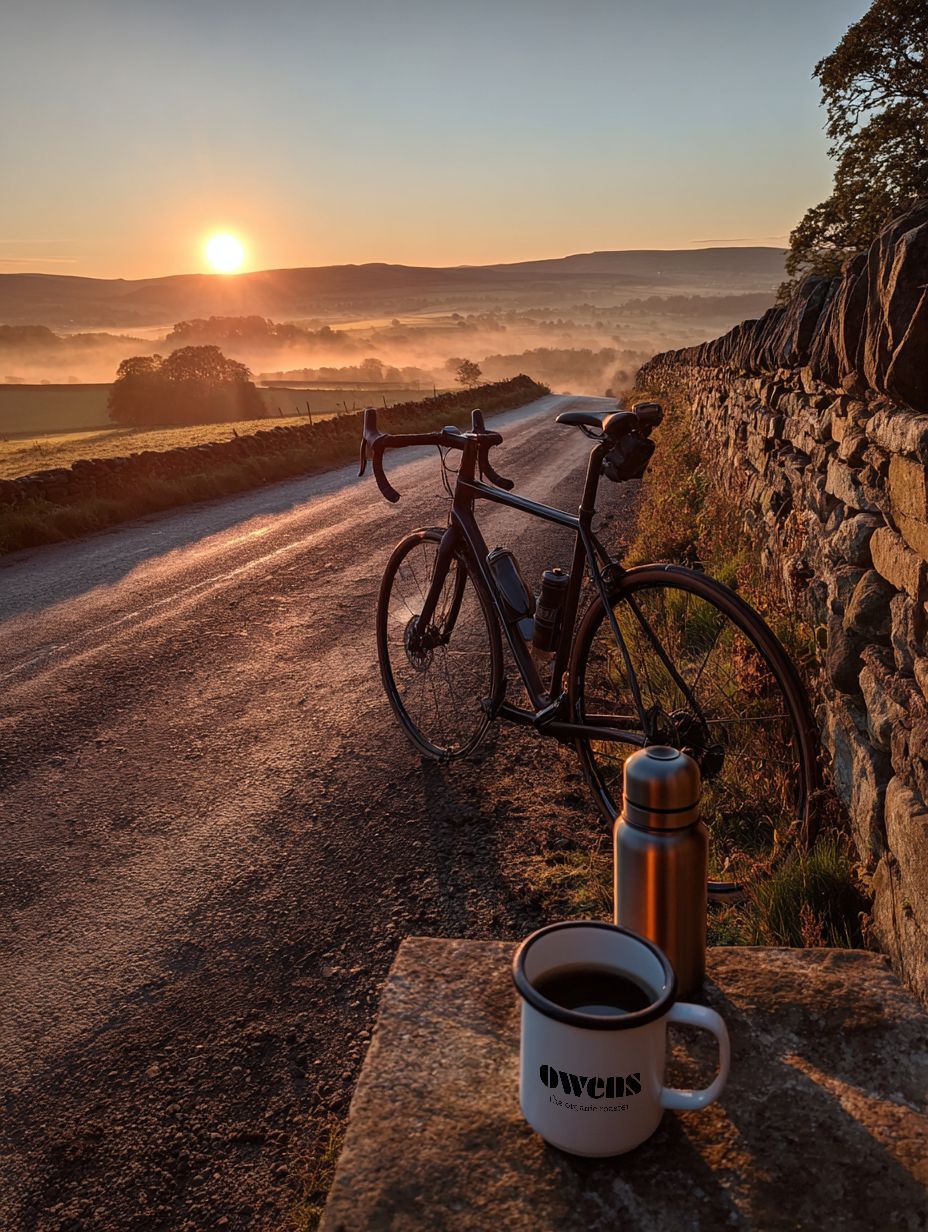
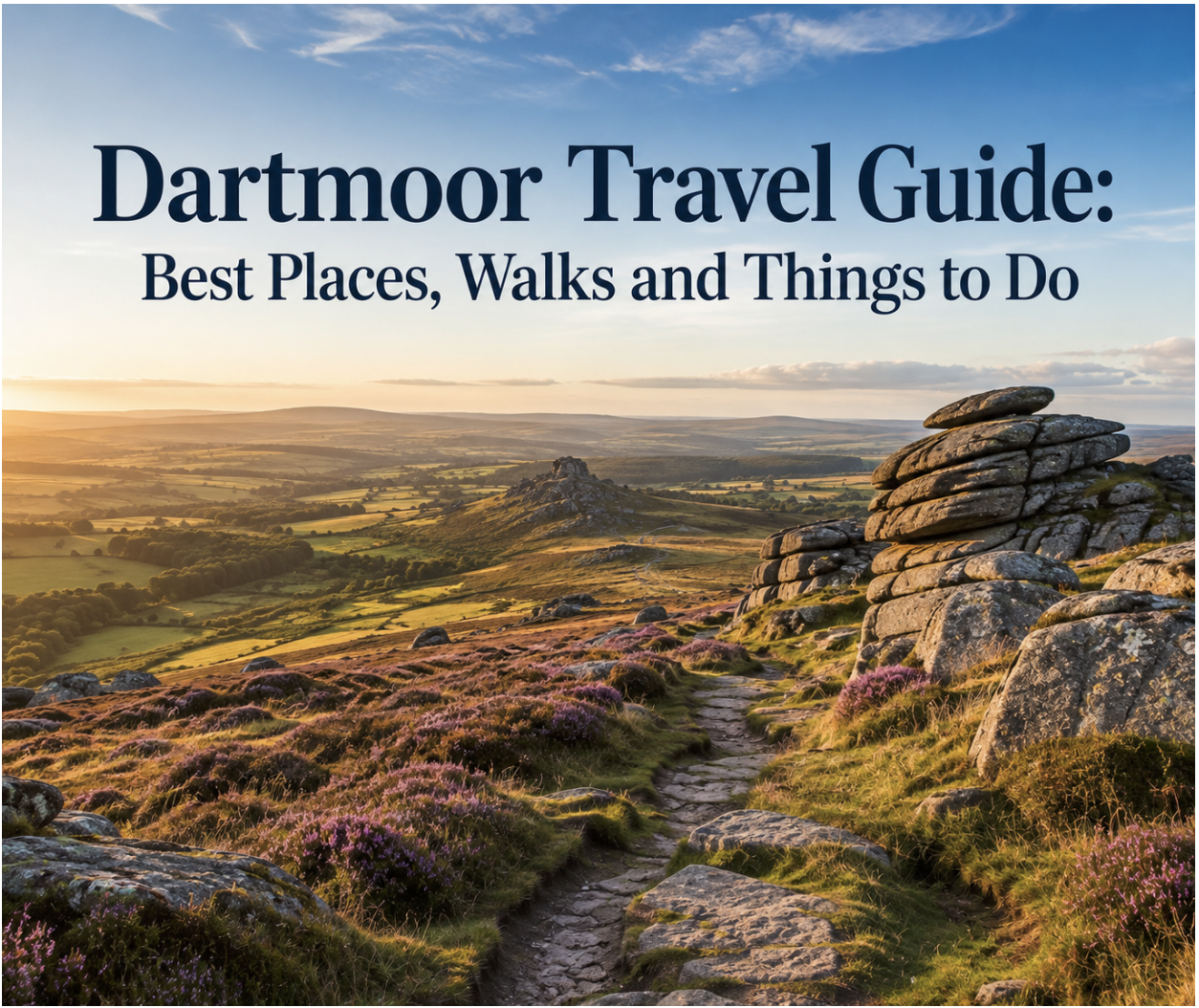
Wide-open moorland, granite tors, and ponies grazing near stone bridges Dartmoor feels like a different world tucked into the middle of Devon. It’s the kind of place where you can walk for hours without seeing a road, then finish the day in a cosy pub with a plate of something warm. If you like to record your trips, keep your phone handy, because moments like sunrise over a misty valley are worth capturing (a quick clip made with a tool like Clideo video maker turns those into something you’ll actually rewatch). This guide walks you through the best spots, the walks worth your boots, and the small details that make a Dartmoor visit go smoothly.
Getting to Know Dartmoor
Dartmoor National Park covers roughly 368 square miles of Devon countryside. It’s a mix of high moorland, wooded river valleys, ancient stone circles, and villages that look barely touched by time. The park has two main entry points that most people use: Tavistock to the west and Bovey Tracey to the east. Both make good bases if you want somewhere to eat and sleep after a long day outdoors.
Best Villages to Visit
Some of Dartmoor’s charm hides in its villages. They’re small, walkable, and full of character.
Widecombe-in-the-Moor
Famous for its towering church spire nicknamed the “Cathedral of the Moor” Widecombe sits in a green hollow surrounded by hills. Grab a cream tea here and wander the churchyard.
Chagford
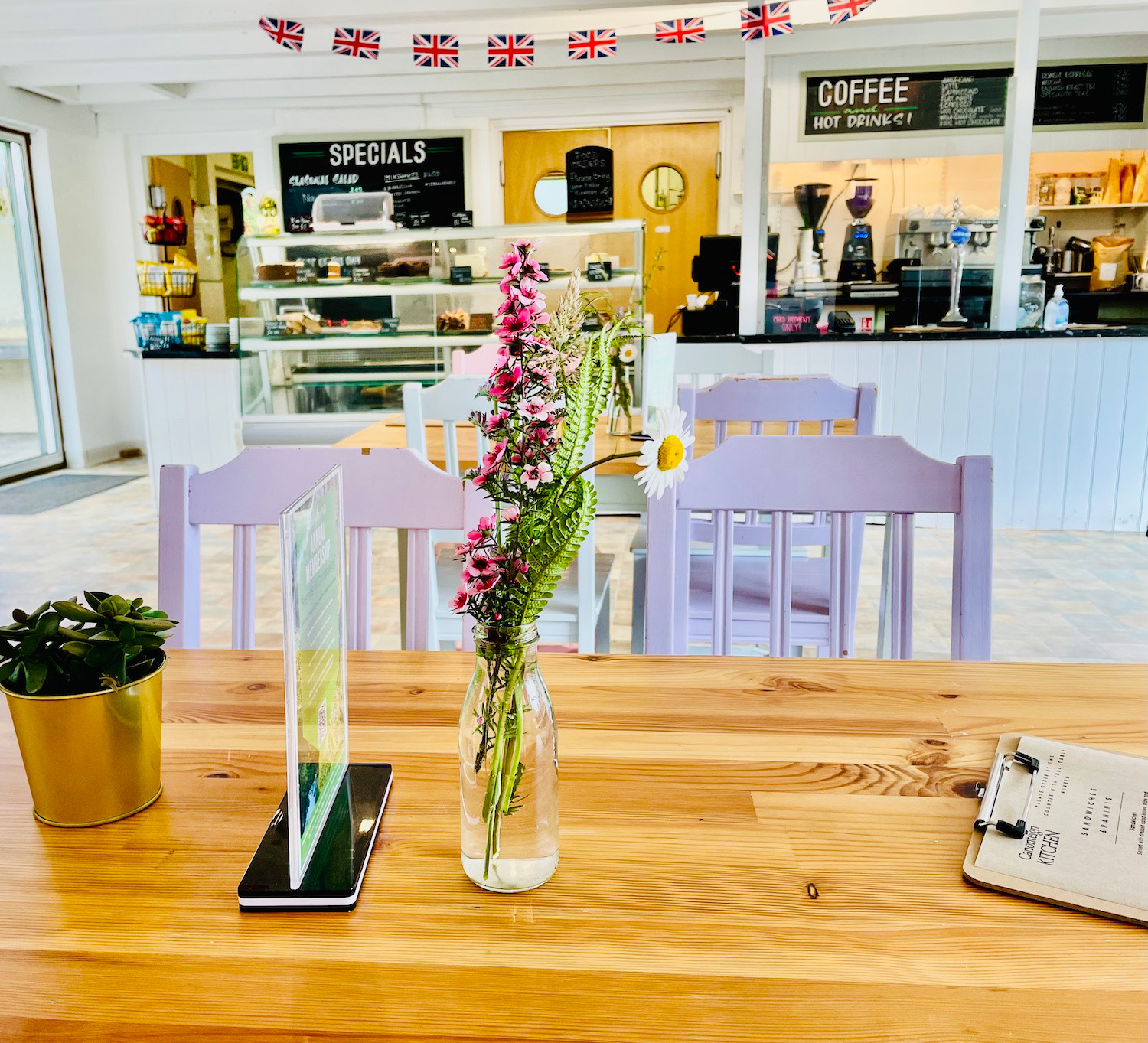
An old stannary town with independent shops, good cafes, and a friendly feel. It’s a handy stop for stocking up before heading onto the moor.
Postbridge
Home to the well-known clapper bridge, made of flat granite slabs laid across the East Dart River. It’s a lovely picnic spot and an easy place to reach with kids.
The Famous Tors
Tors are the rocky outcrops that crown Dartmoor’s hills, and climbing a few is almost a rite of passage here.
Haytor is the most visited and easiest to reach, with parking close by and huge views on a clear day. Hound Tor feels atmospheric and a little wild; it’s said to have inspired The Hound of the Baskervilles. Bellever Tor is quieter than Haytor, sitting near a peaceful forest that’s great for a gentle wander. If you only have time for one, Haytor gives you the classic Dartmoor view with the least effort.
Walks Worth Doing
Walking is the heart of any Dartmoor trip, and there’s something for every pace.
Easy strolls
The Dart Valley Trail near Dartmeet follows the river through woodland and open grassland. Flat sections make it friendly for families.
Half-day hikes
The loop up to Yes Tor and High Willhays takes you to the highest points in southern England. On a bright morning the views stretch for miles.
Full-day adventures
Experienced walkers love the trek out to Cranmere Pool, deep in the northern moor. Go prepared this part of Dartmoor is remote, and the weather turns fast.
A quick tip before you set out: download an offline map to your phone. Signal drops out across much of the moor, so a paper map plus a mapping app on your iPhone or Android is a smart backup. Getting lost in fog on Dartmoor is easier than you’d think.
Wildlife You Might Spot
The moor is alive with animals if you keep your eyes open. Dartmoor ponies roam freely and are the park’s best-known residents. Please don’t feed them, as it harms their health. You might also see buzzards circling overhead, sheep dotting the hillsides, and, near the rivers, otters if you’re lucky and quiet. Early morning and dusk are the best times for wildlife. Bring binoculars if you have them.
Local Food and Drink
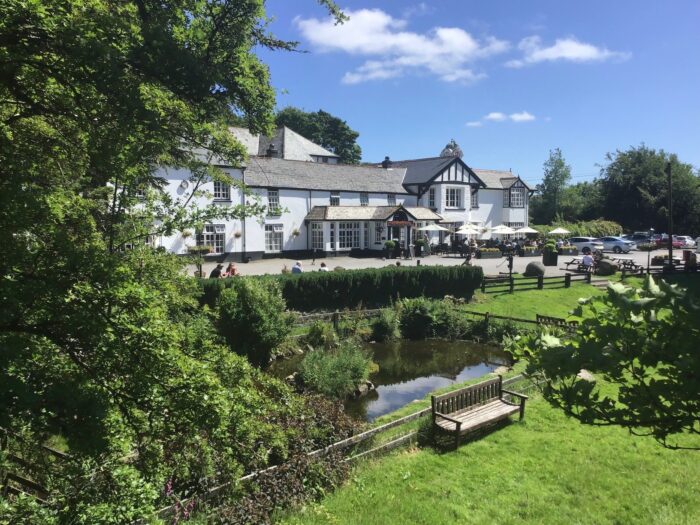
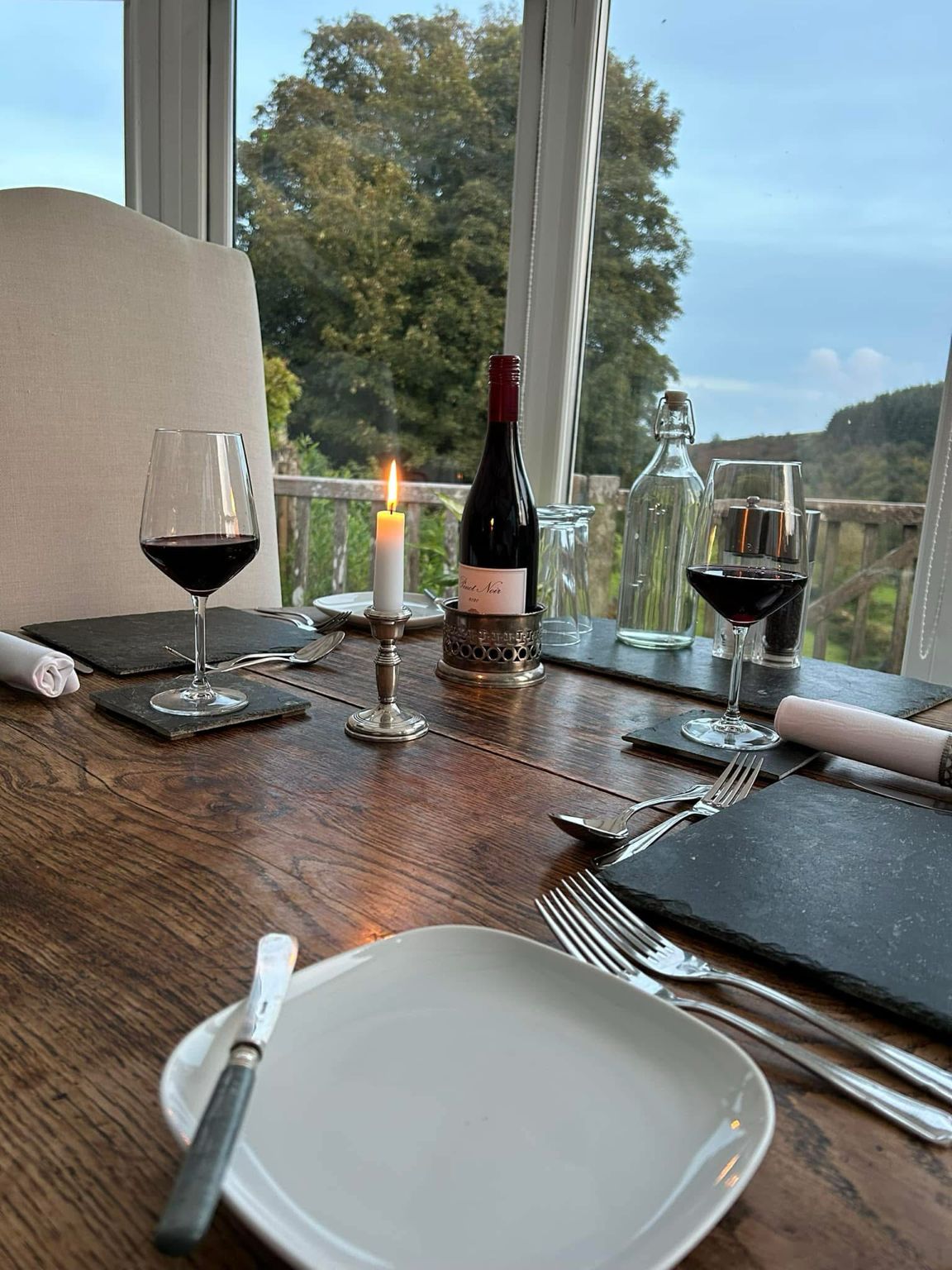
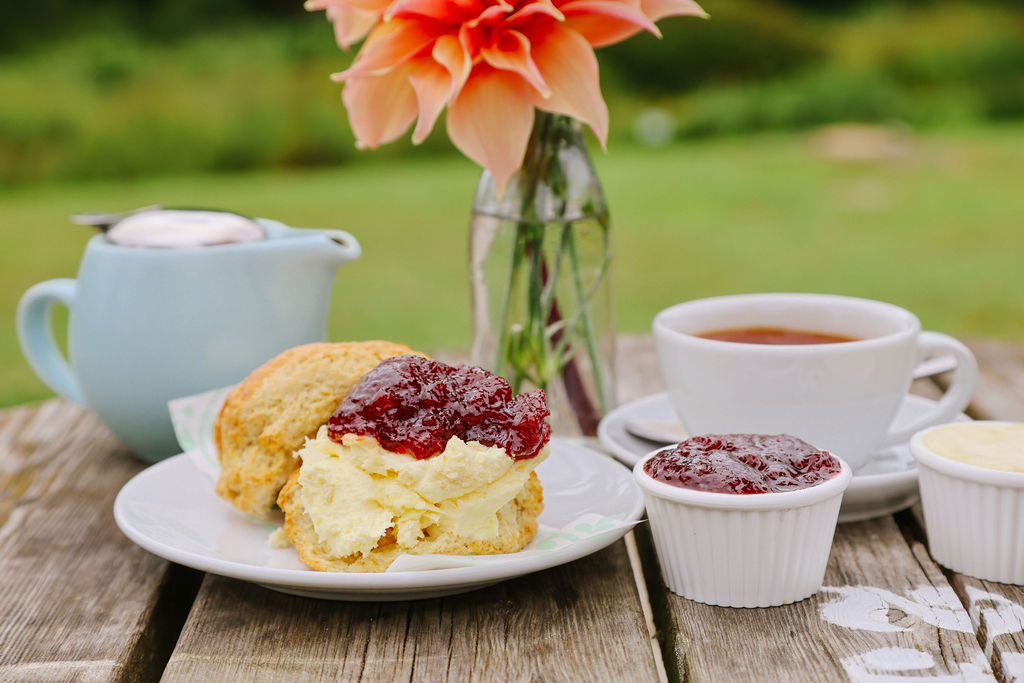
Dartmoor rewards a good appetite. Country pubs serve hearty meals, and many use local produce. Try a proper Devon cream tea scones, clotted cream, and jam (locals argue about which goes on first). For something more filling, look for game pies, local cheeses, and cider pressed from Devon apples. The Warren House Inn, one of the highest pubs in England, is a memorable place to warm up, with a fire that’s reportedly been burning for over a century.
Outdoor Activities Beyond Walking
Walking isn’t the only way to enjoy the moor.
Cycling is a great option; the Granite Way offers a traffic-free route with old railway viaducts and big views. If you want something more unusual, try letterboxing, a treasure-hunt tradition unique to Dartmoor where you find hidden boxes and stamp a logbook. The rivers and reservoirs draw kayakers and wild swimmers in summer, though the water stays cold even on warm days. And when night falls, Dartmoor’s dark skies make it a favourite for spotting constellations far from city glow.
Practical Travel Tips
A little planning goes a long way on the moor. Pack layers and waterproofs whatever the forecast says, because conditions change quickly. Sturdy boots are a must, trainers won’t hold up on boggy, uneven ground. Use official car parks near the towers, as they fill early on sunny weekends. And when you’re out on the moor, stick to paths where you can, take your litter home, and close gates behind you.
Making the Most of Your Trip
Dartmoor works best when you slow down. Give yourself time to sit on a tor, watch the light shift across the hills, and chat with locals in a village pub. Whether you’re here for a single day walk or a long weekend, the moor has a way of pulling you back. Pick a base, plan a couple of walks, leave room for the unexpected and let Dartmoor do the rest.