
Accommodation Is Becoming Part of the Destination
The Stay Is No Longer Just a Place to Sleep
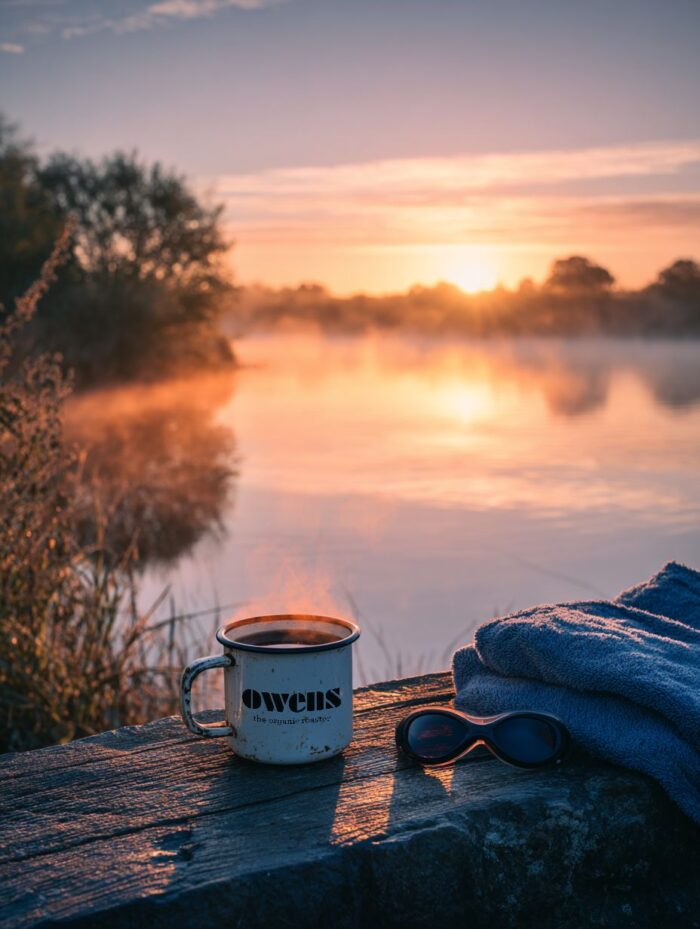
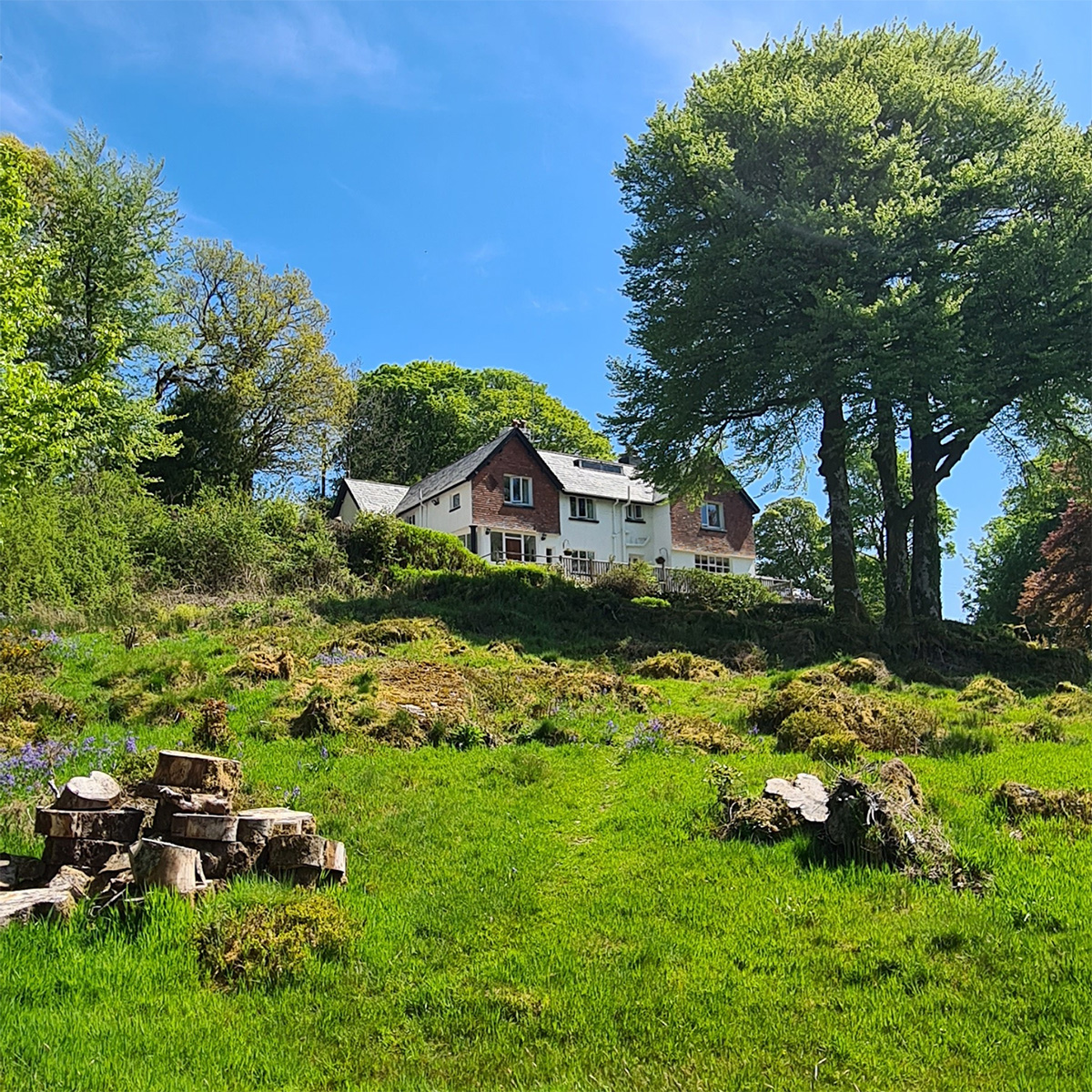
There’s a particular feeling that no standard hotel corridor has ever produced. A gravel path instead of a lobby. A farmhouse door instead of a keycard. Morning light over open fields, coffee within reach, and the sudden realization that the place itself is slowing the whole day down – in a good way. More and more travelers are chasing exactly that feeling.
The way people evaluate accommodation has quietly shifted: the question is no longer just where a property sits, but what it contributes to the journey. And this isn’t merely a social-media aesthetic. Booking data across 2026 shows the change is behavioral – the stay itself now shapes the pace, the activities and the emotional character of the entire trip. A country hotel wraps a trip in heritage, dining and wellness. A glamping site places the traveler directly inside the landscape without asking them to give up a real mattress. Neither is universally better. Both are answers to the same new question: what should the accommodation add?
Why Country Hotels Still Have a Strong Place in Modern Travel
Comfort, Service and Sense of Place
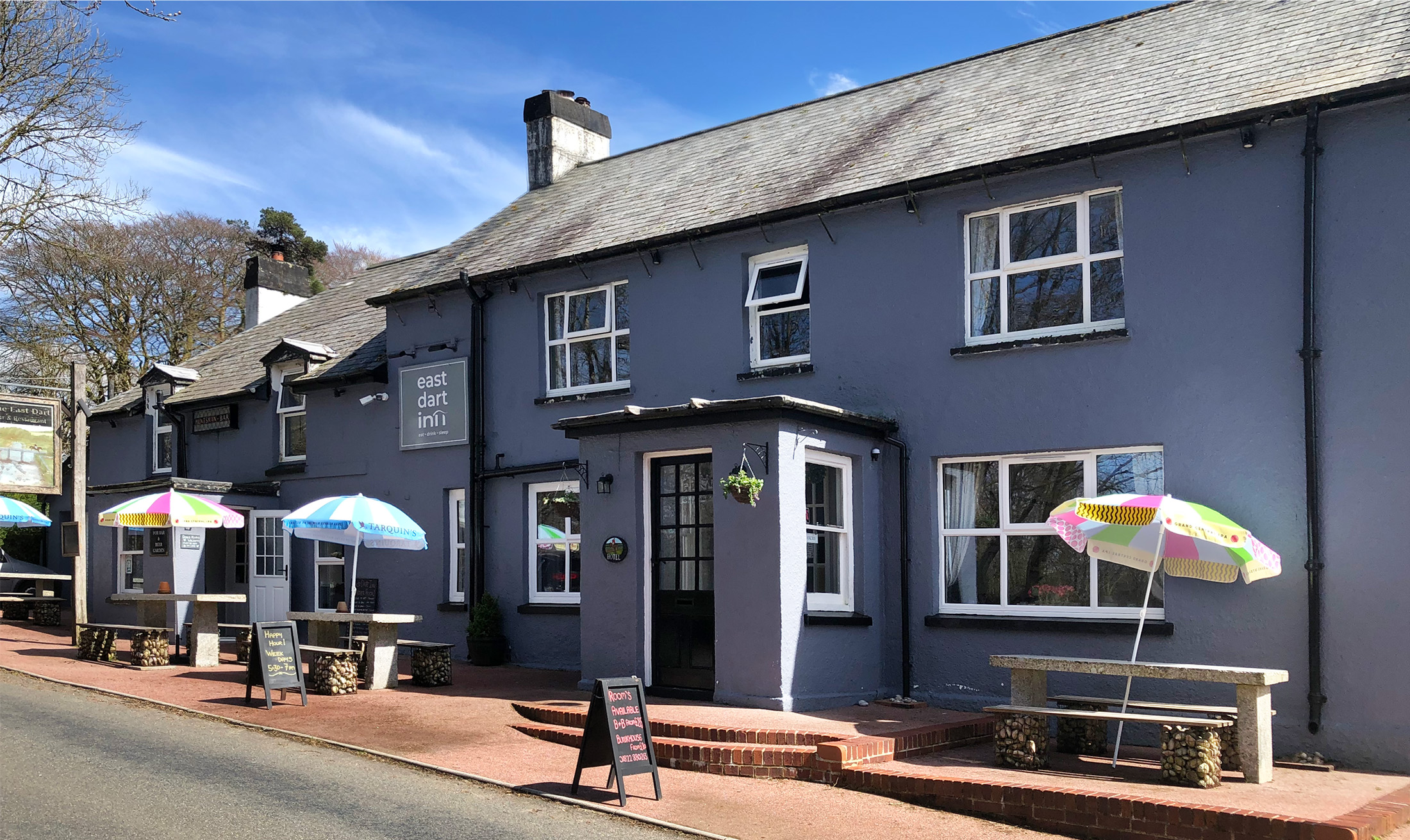
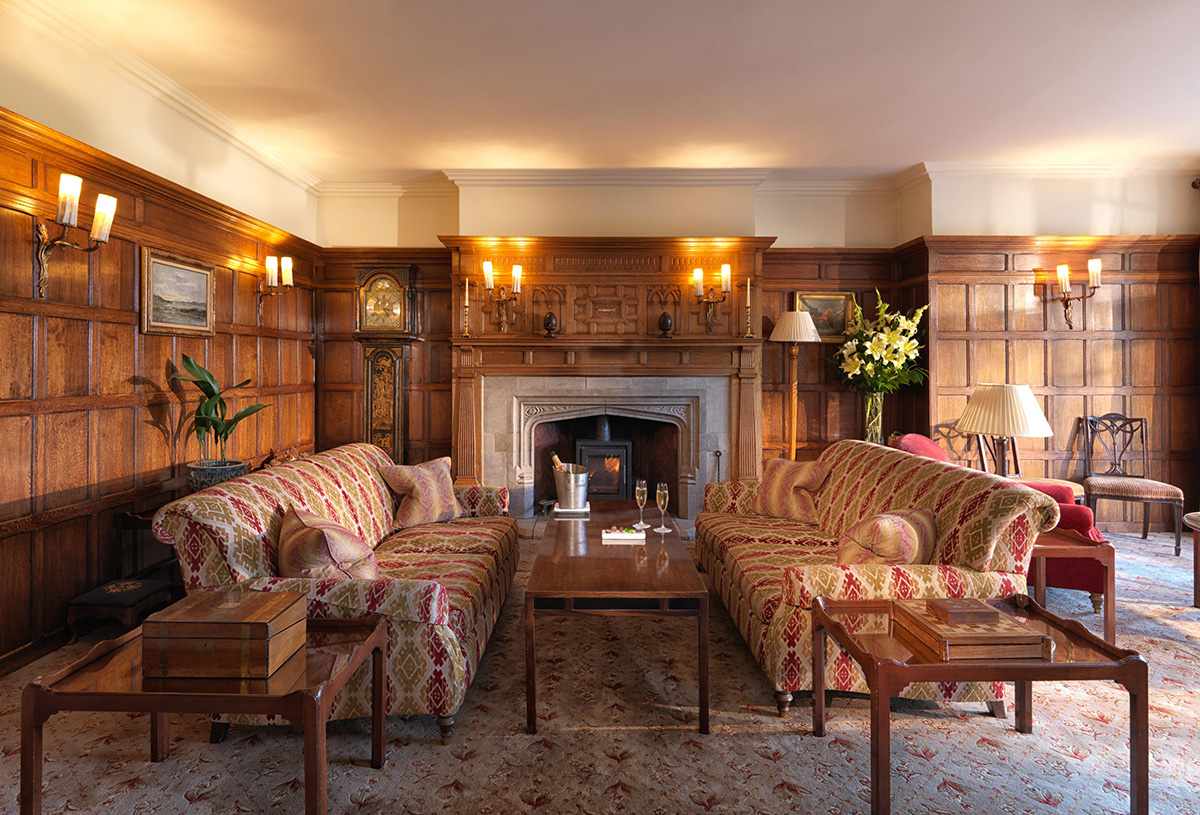
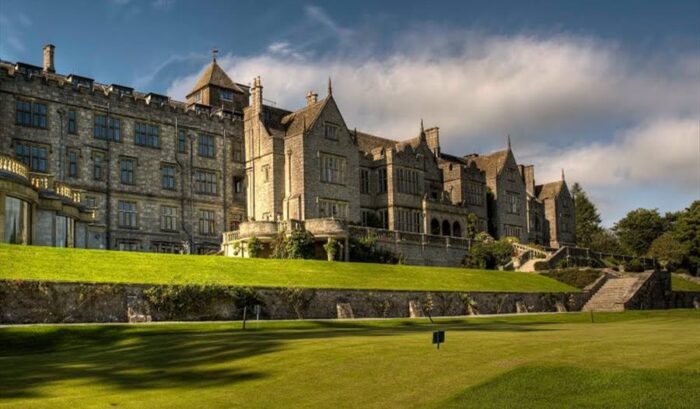
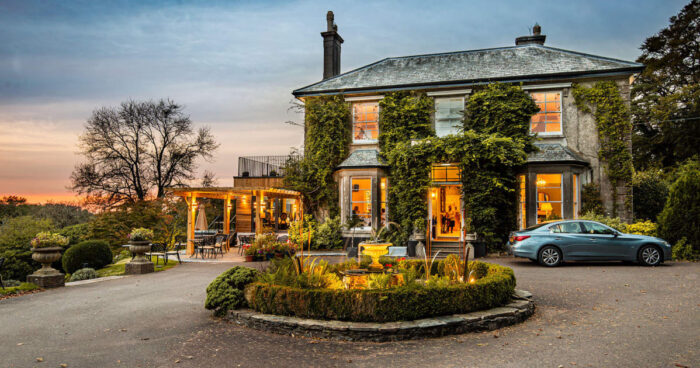
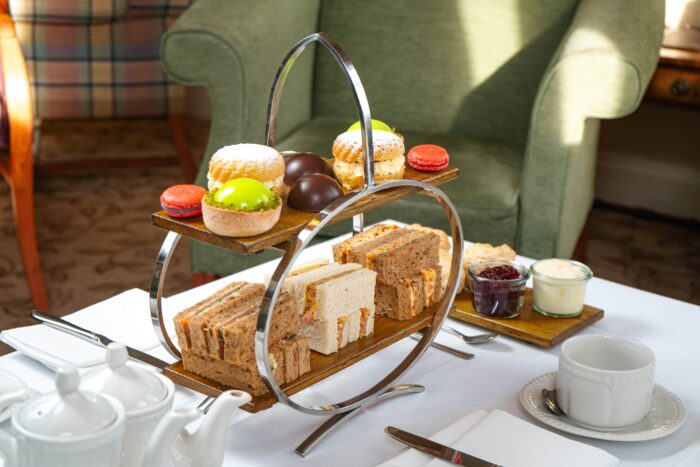
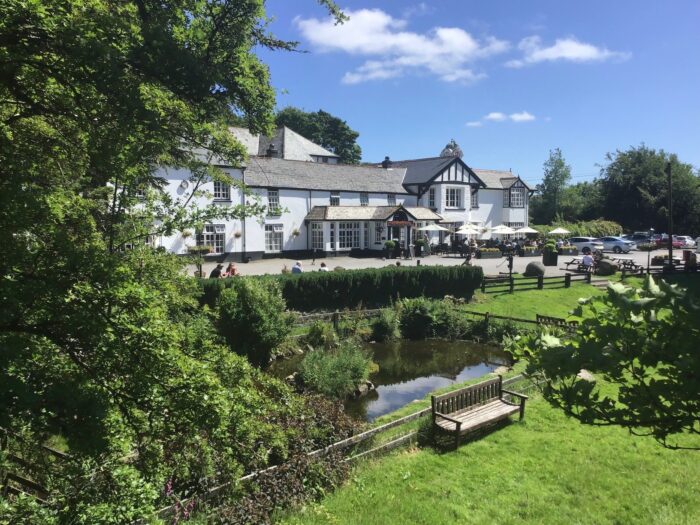
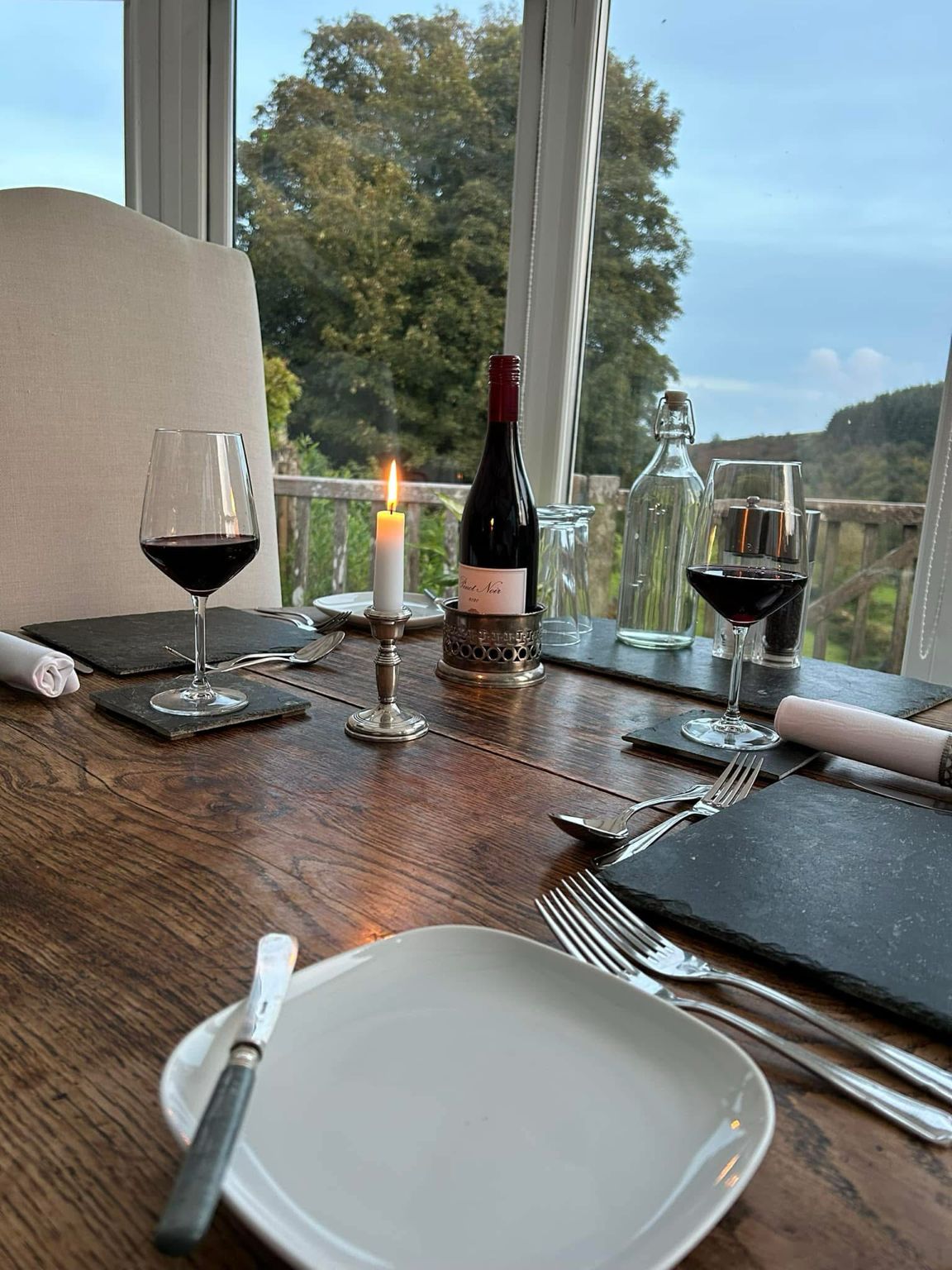
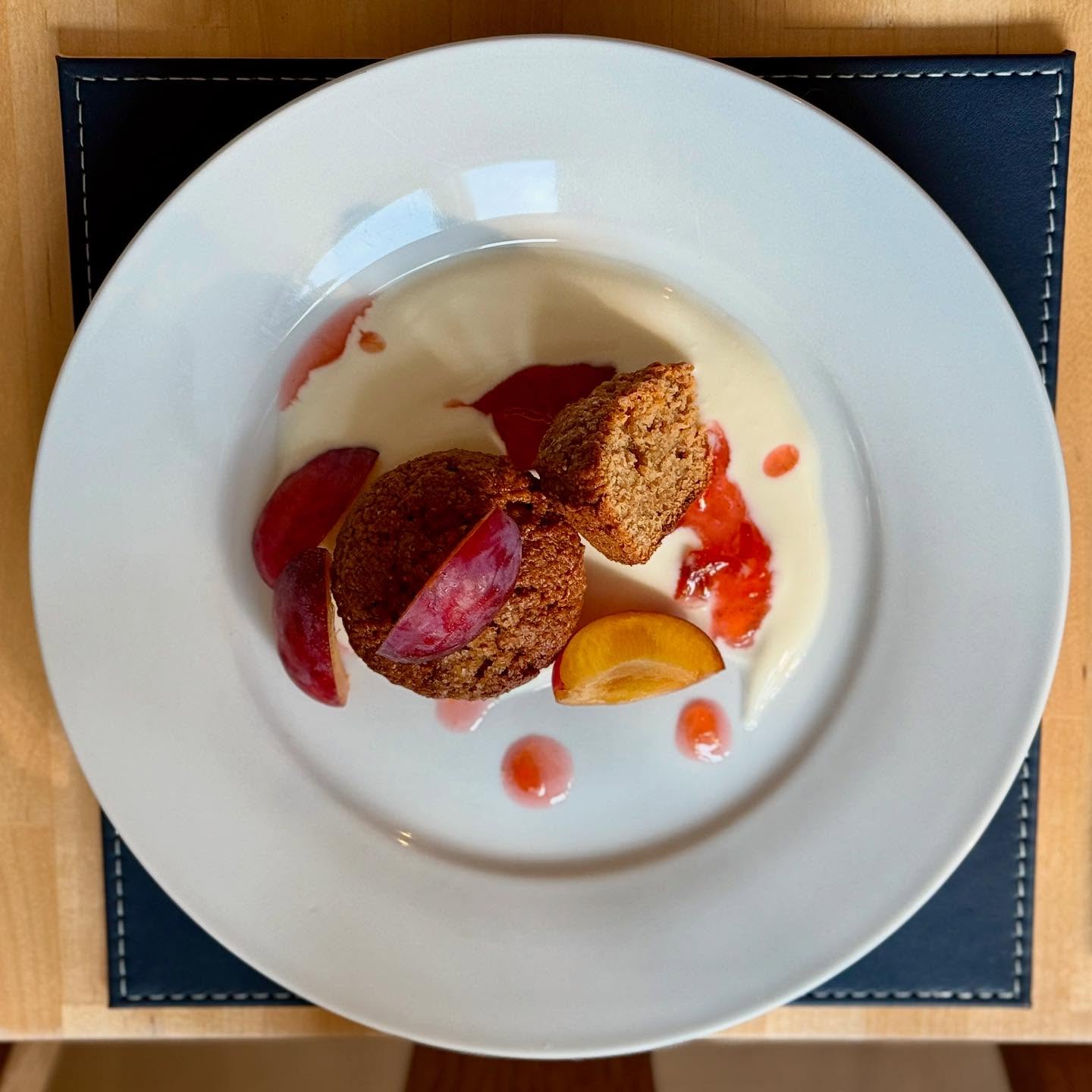
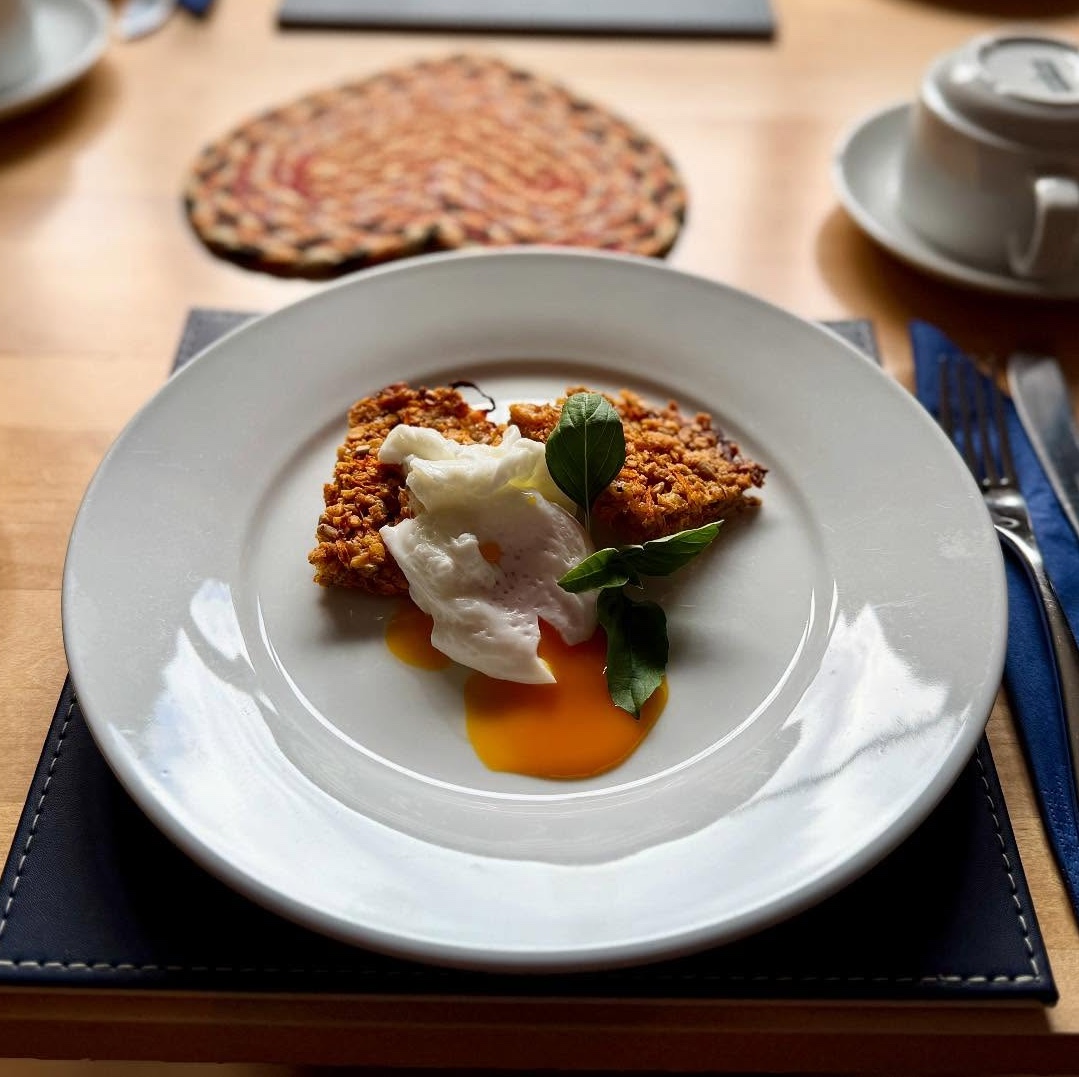
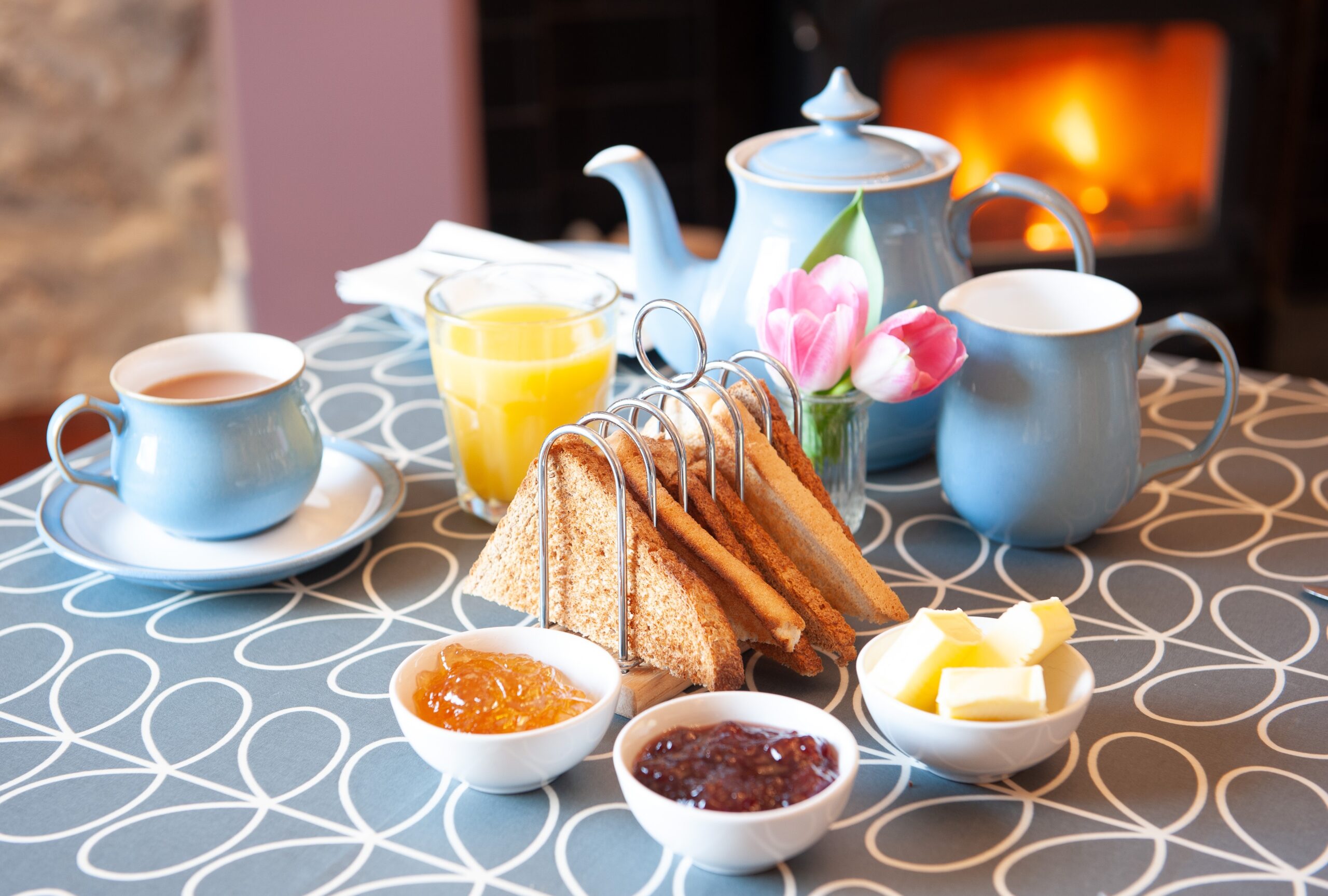
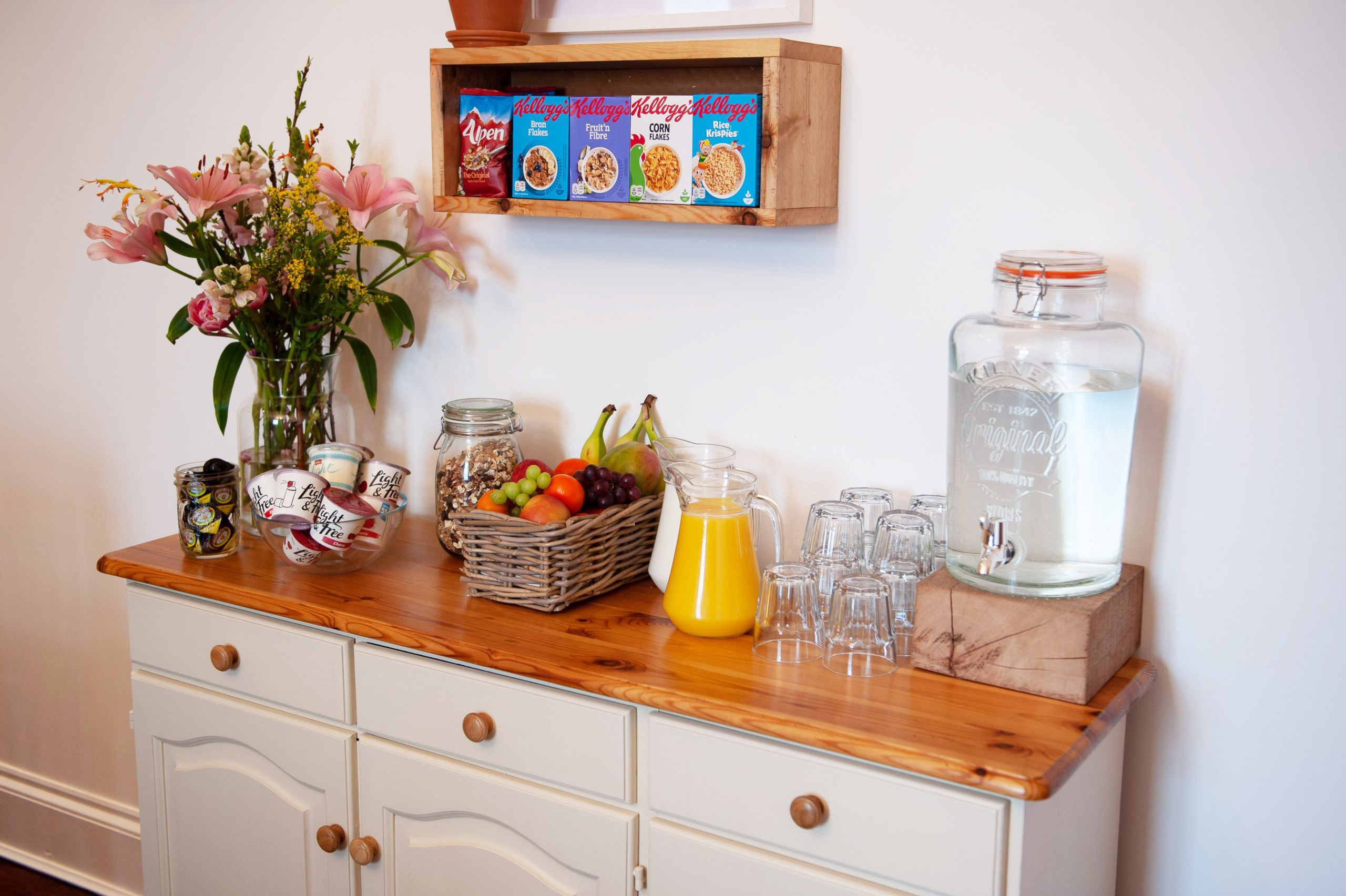
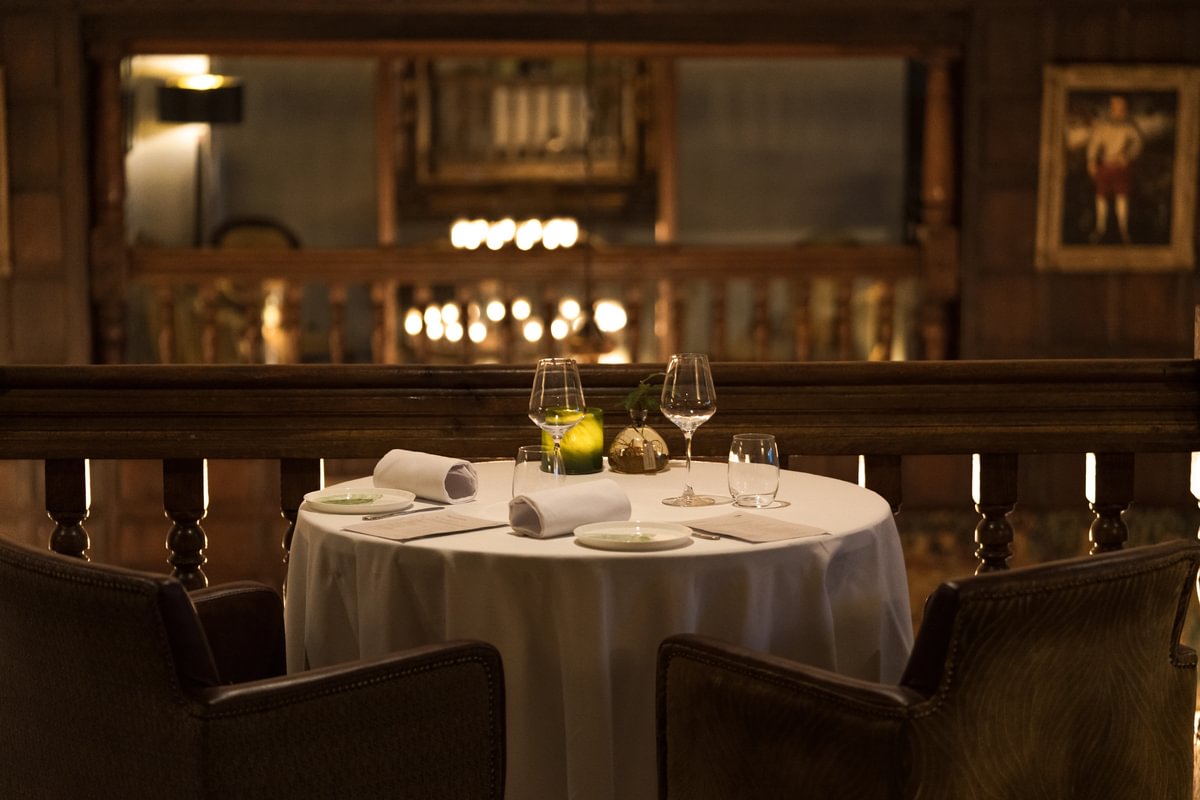
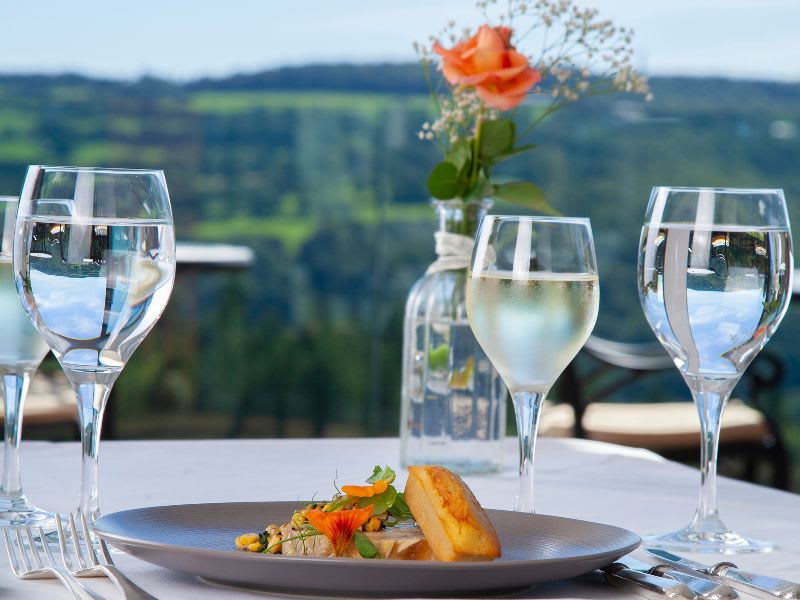
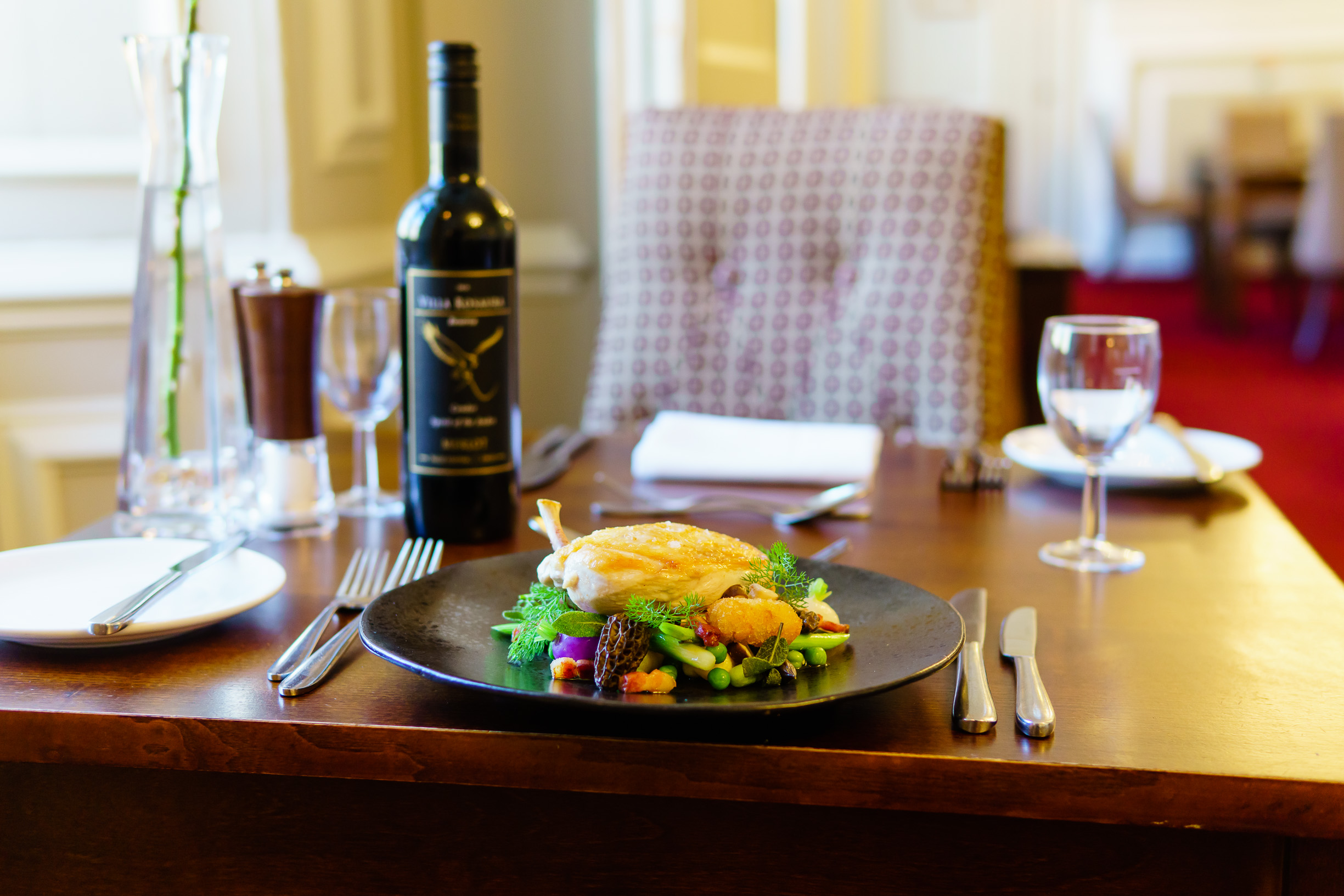
The country hotel hasn’t been dethroned. Travelers keep choosing established rural properties precisely because they combine countryside with reliability – professional service, comfortable rooms, gardens, restaurants, spas, someone else handling the logistics. A historic house with a good kitchen and a long driveway offers something a tent never will: total absence of friction. The accommodation shift is not a rejection of hotels; it’s a broadening of what counts as a good stay.
The Hotel as a Gateway to the Countryside
There’s also the base-camp logic. A couple books a rural hotel and spends their days hiking, visiting heritage sites, eating at village pubs, returning each evening to a hot shower and a set table. The hotel doesn’t compete with the countryside – it organizes access to it. For many travelers, that convenience is exactly the point.
Why Travelers Are Looking Beyond Traditional Hotels
The Rise of Slow, Rural and Nature-Based Travel
Still, something is pulling travelers outward. Expedia Group reports that 84% of travelers are interested in staying on or near a farm in 2026, and farm-related mentions in Vrbo guest reviews jumped 300% year over year. Read those numbers as motivation, not trivia: people want accommodation that helps them disconnect, slow down and actually interact with the environment around them. For more capitalistic minded people out there, it’s a good idea to do a deep dive into how hotels fit into the wider hospitality property market, rather than just a place to stay. And remember: the countryside has stopped being scenery and started being the itinerary.
Accommodation With a Story
Part of the pull is narrative. Farmhouses, converted barns, heritage properties – these give travelers something a standard room can’t reproduce: a place with a past and a personality. Expedia’s 2026 trends even named the category – “Salvaged Stays,” properties with character and history. Feeding animals at dawn, walking a route that starts at the front door, sleeping in a building older than the nearest town. The story becomes the souvenir.
Glamping Is Redefining the Outdoor Stay
The Appeal of Nature Without Giving Up Comfort
Glamping closes the gap between camping and conventional accommodation: outdoor surroundings plus beds, bathrooms, heating and actual design. Calling it “luxury camping” undersells what it does – it expands the audience for outdoor stays to people who would never pitch a tent. KOA’s 2026 research shows glamping accounted for 29% of camping experiences in 2025, and 31% of new campers chose glamping accommodation. That’s not a niche; that’s a front door.
From Niche Concept to Mainstream Accommodation
The category now spans a spectrum – safari tents, yurts, cabins, domes, treehouses – and its guests span one too: couples after privacy, families testing outdoor life, travelers who don’t identify as campers at all. Glamping stopped being a novelty and became a format. The question at booking is no longer “hotel or tent?” but “where on the spectrum?”
How Accommodation Changes the Actual Travel Experience
The Location Changes the Pace of the Trip
A city-center hotel pushes the day outward – museums, restaurants, schedules. A remote farm stay or glamping site pulls the day inward: trails at the doorstep, forests instead of lobbies, dinner under whatever sky shows up. Proximity to nature doesn’t just change what travelers see; it changes how fast they move.
Comfort and Convenience Still Shape Satisfaction
Here’s the practical counterweight. A visually stunning property can still be the wrong choice if it fails the group’s actual needs – bathrooms, heating, food options, accessibility, privacy. The photogenic treehouse loses its charm fast when someone’s cold at 3 a.m. Couples, families, older travelers and solo travelers all weight these factors differently, and no photograph answers them.
The Stay Can Become an Activity
The clearest shift: accommodation increasingly offers experiences that once required leaving the property. Campfires, farm activities, stargazing, walking trails, outdoor dining, wellness facilities. Accommodation used to be infrastructure – the place the trip happened from. Now it’s part of the itinerary itself.
The New Traveler Is Choosing the Experience First
Wellness, Connection and Time Outdoors
The motivation data is telling. KOA finds that nearly half of campers book trips intentionally to improve their mental wellbeing – and 77% say simply being in nature is enough, no structured programming or extra amenities required. That second figure matters more than it looks. Travelers aren’t asking properties to entertain them; they’re asking properties to place them somewhere worth being.
Authenticity Over Standardization
Set a standardized room beside a converted barn or a thoughtfully designed glamping site, and the direction of preference is increasingly clear. Distinctive beats predictable. The important nuance: authenticity no longer means roughing it. Character and comfort stopped being opposites somewhere around the time barns got underfloor heating.
How to Choose the Right Accommodation for the Trip
Start With the Purpose of the Trip
The simple framework: name the trip’s purpose first – relaxation, exploration, family time, romance, wellness, outdoor activity, cultural discovery – then let accommodation serve it. The stay should be a means to the trip, not the objective of it. Mostly.
Compare Location, Amenities and Access
Then the practical checklist: driving distance, public transport, what’s actually nearby, food options, bathrooms, heating, Wi-Fi, parking, accessibility. Ten minutes of checking beats a weekend of discovering.
Consider Who Is Traveling
A remote glamping site suits a couple seeking privacy beautifully. The same site with two children under five is a logistics exercise with a view. The ideal property changes with the travelers – families, friends, solo travelers, multigenerational groups each redraw the answer.
What the Accommodation Shift Means for the Future of Travel
The Lines Between Hotels, Rentals and Outdoor Hospitality Are Blurring
Travelers now choose from a spectrum – hotels, cottages, farm stays, cabins, lodges, glamping – rather than separate categories. Hybrid formats keep emerging, and tourism bodies have noticed: VisitBritain already presents hotels, camping, self-catering and unique stays as one broad accommodation landscape. The menu merged.
The Property Becomes Part of the Destination
The strongest accommodation concepts give travelers a reason to choose the property itself, not just the destination around it. Hotels won’t disappear – the prediction is wrong every time someone makes it. The truer conclusion is simpler: formats are diversifying, and the definition of “a good place to stay” is wider than it’s ever been.
Conclusion: The Stay Is Becoming Part of the Story
Choosing Where to Stay Is Choosing How to Travel
The evolution from country hotels to glamping reflects a deeper reordering of priorities: accommodation now shapes the pace, atmosphere and memories of a trip. There’s no universally best format – only the one that aligns location, comfort, purpose and the experience being sought. So the practical question to end on: what should the accommodation allow that a conventional room cannot? Answer that, and the right choice usually names itself.