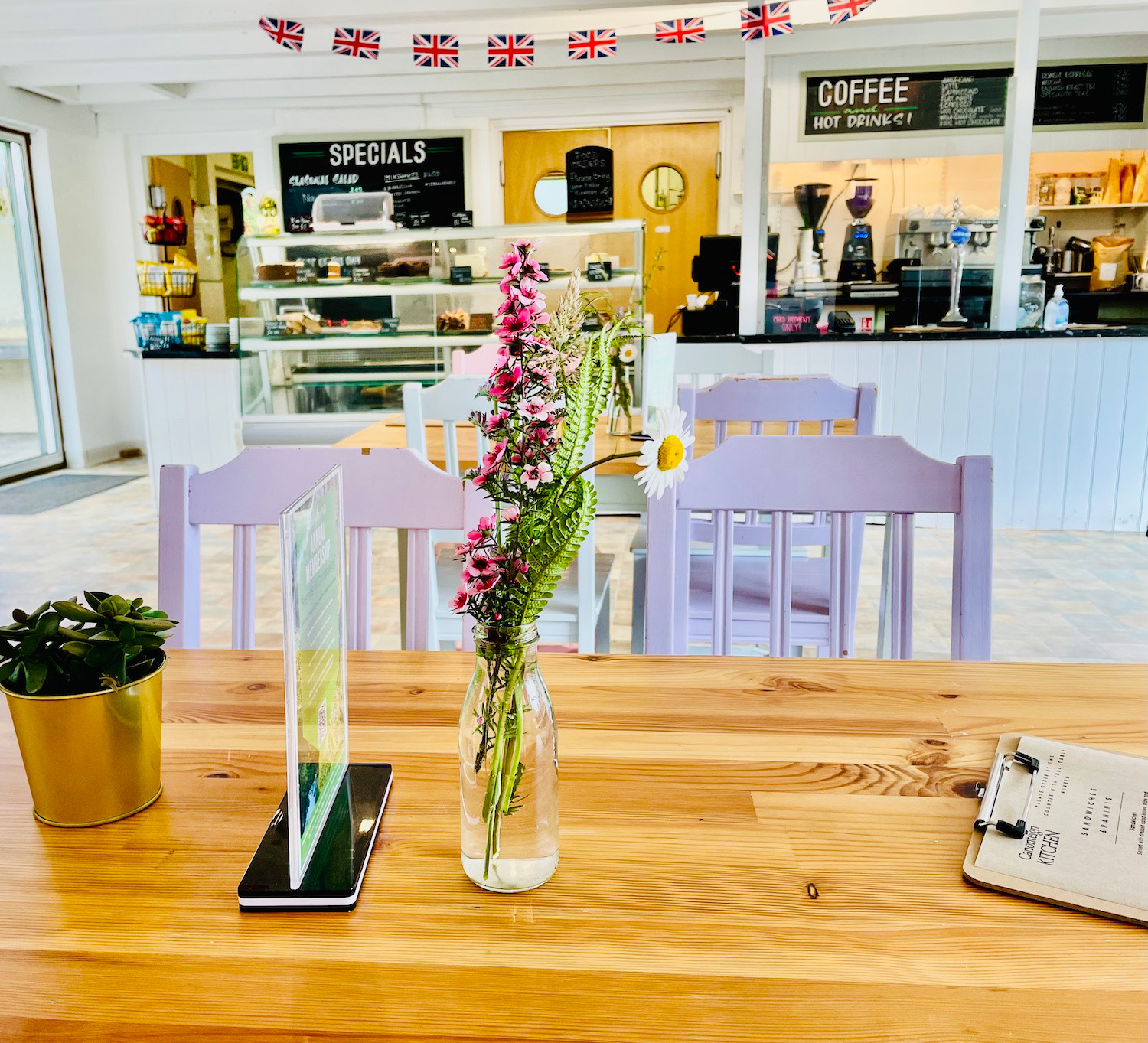

Dartmoor in the rain. It happens — a lot. The moor gets around 2,000mm of rainfall every year, which means any family holiday here will almost certainly include at least one soggy afternoon trapped indoors. That’s not a disaster. It’s actually an opportunity.
Educational apps have changed the way children learn during downtime. The right ones make kids forget they’re even studying.
Why Apps Beat Passive Screen Time
Not all screen time is equal. A child watching random videos for two hours is very different from one working through an interactive science quiz.
Research from Common Sense Media found that children aged 5–12 spend an average of nearly five hours per day on screens. Only a small fraction of that involves genuinely educational content. Choosing purposeful apps flips that balance dramatically.
Nature and the Outdoors — Brought Inside
Dartmoor itself becomes a classroom when you use the right tools. Apps like iNaturalist let children photograph and identify wildlife they spotted before the rain arrived.
They can log sightings, learn Latin names, and connect with a global community of nature enthusiasts. One Dartmoor afternoon could yield spotted moths, rare mosses, and bog plants — all catalogued before dinner.
Apps That Teach Geography Through Play
Younger children respond well to map-based apps. Stack the Countries and GeoGuessr Junior introduce real geography through games that feel completely natural to kids.
Dartmoor itself sits within a National Park covering over 950 square kilometres. Giving children that sense of scale — comparing it to other places they know — builds genuine geographical awareness rather than memorised facts.
Reading on Rainy Afternoons
Rain is made for reading. Epic! is a digital library offering over 40,000 books, audiobooks, and learning videos for children up to 12 years old.
Children can explore Dartmoor legends — there are plenty — through folklore collections available on the platform. The Beast? The pixies? Dartmoor has centuries of stories. Let the rain soundtrack an afternoon of mythical reading.
Quiet Numbers: The Case for a Maths App
Here’s something parents often overlook: math anxiety starts young. And this can be prevented with the help of a math solver picture and step-by-step instructions. He let children photograph or type a problem and watch it solved step by step.
This works beautifully on rainy days when the mood is low and homework looms. No lectures. No frustration. Just clear, visual explanations that rebuild confidence quietly – one equation at a time. It’s a small tool with a surprisingly big effect.
Science Experiments Without Leaving the Cottage
Tynker and Kodu Game Lab teach coding in the guise of game design. Meanwhile, apps like Labster offer virtual science labs for older children.
A 2023 report by BESA showed that 72% of UK teachers considered educational apps “highly effective” for sustaining learning outside school. The evidence is there. The tools are ready. All you need is the wifi password.
History and Heritage Right Under Their Feet
Dartmoor is ancient. Bronze Age settlements, stone circles, and medieval farmsteads dot the landscape — much of it visible on a clear day. On a rainy one, bring it indoors with apps.
Google Arts & Culture offers 360-degree tours of historical sites across the UK. Children who explored Grimspound in wellies the day before can now read about Bronze Age life in incredible detail. Context transforms curiosity into real knowledge.
Smart App Choices: Spending Wisely on Digital Learning
Not every app is worth paying for. Many excellent educational apps offer generous free tiers — Khan Academy being the clearest example.
For parents who want premium features, smart shopping strategies make a real difference. Look for family subscription bundles, check app stores during seasonal sales, and compare prices across platforms before committing. Better deals often exist on annual plans versus monthly ones. Good digital learning doesn’t have to cost a fortune — a little research goes a long way.
Balancing Independence and Involvement
Children learn best when adults show genuine interest. Sitting beside a child while they use an app — even briefly — doubles engagement.
You don’t need to understand everything on screen. Asking “what does that mean?” or “how did you figure that out?” is enough. Curiosity is contagious.
Age-Appropriate Picks at a Glance
Ages 4–6: Khan Academy Kids, Endless Alphabet, Starfall Ages 7–10: iNaturalist, Epic!, Stack the Countries Ages 11–14: Photomath, Labster, GeoGuessr
Short sessions work better than long ones. Thirty focused minutes beats two distracted hours every single time.
Making the Most of Every Rainy Hour
Dartmoor’s weather is unpredictable. Apps don’t have to be. Build a small collection of trusted, tested apps before your trip — not during it.
Download content offline where possible. Dartmoor signal is famously patchy. A pre-loaded app works on a hillside or in a remote farmhouse without any connection at all.
One Last Thought
Rainy days on the moor aren’t wasted days. History, science, maths, geography, reading, coding — all of it is available in a device that fits in a coat pocket.
Children who spend those grey afternoons exploring ideas come out the other side of the holiday sharper, more curious, and genuinely better prepared. The mist will lift. What they’ve learned won’t go anywhere.