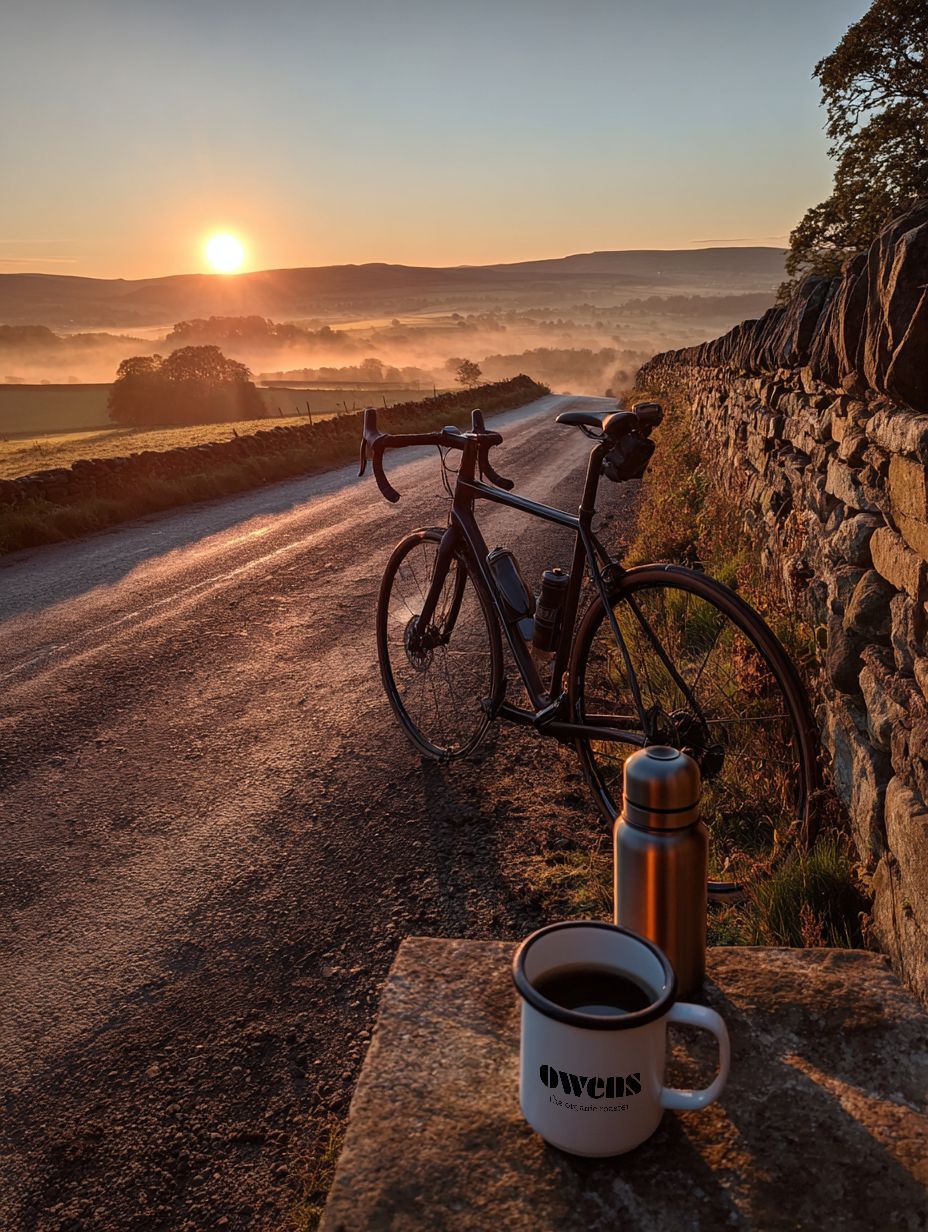
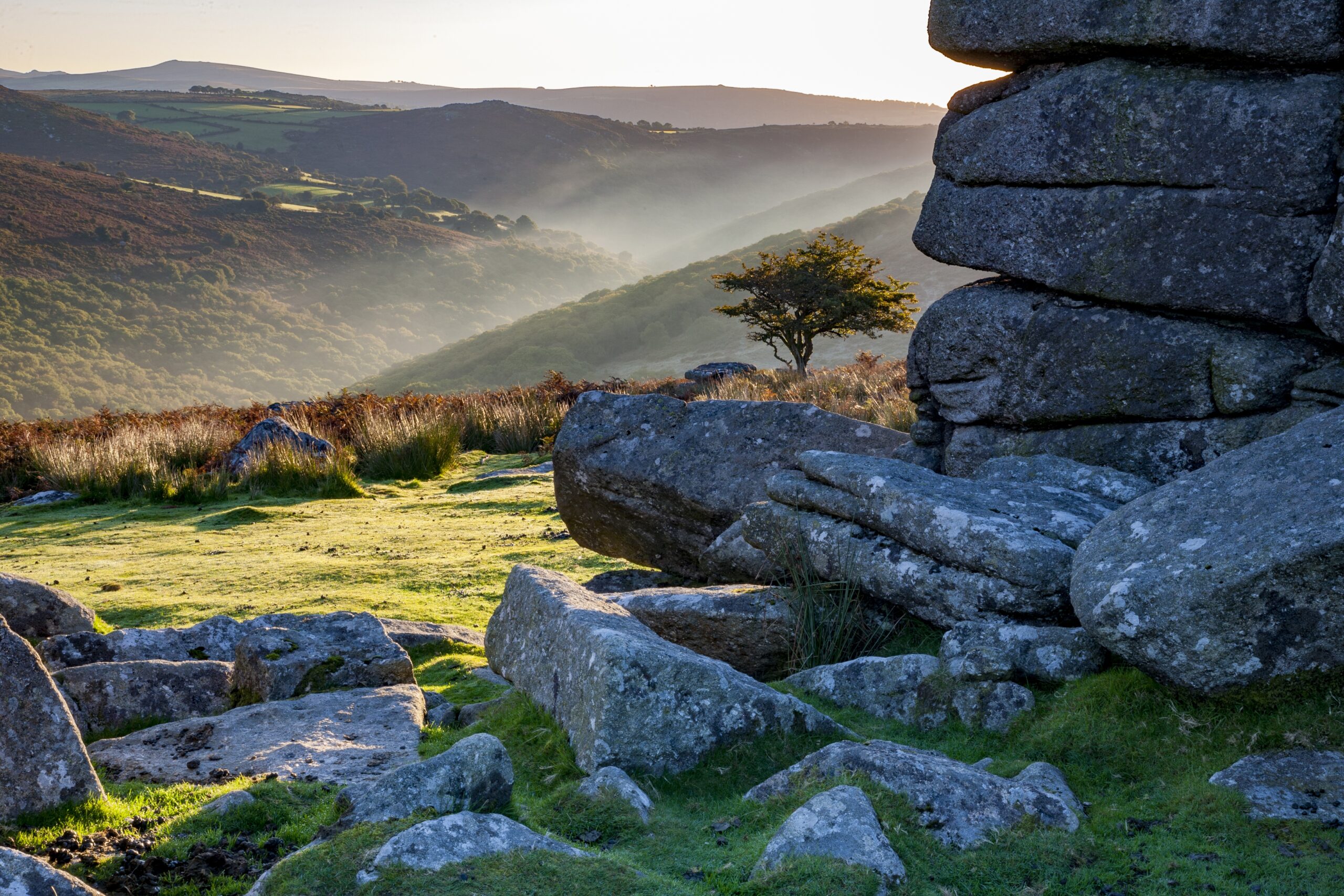
It usually starts on the third day of a holiday. You’ve walked out to Wistman’s Wood, had a slow lunch in Chagford, and by the time you’re driving back over the moor somebody says it out loud: we could live here.
People do. But buying property inside a National Park works differently from buying anywhere else, and the things that catch people out have very little to do with price.
Here’s what’s worth understanding before you get as far as an offer.
The planning authority isn’t the council
Dartmoor National Park Authority handles planning within the park boundary, and its remit is conservation first. That doesn’t mean you can’t alter a property — plenty of people do — but the assumptions you’d bring from elsewhere don’t hold.
Permitted development rights, the things you’d normally be able to do without applying, are restricted in parts of the park. Extensions, outbuildings, new windows, solar panels and even changes to external paintwork can all need consent depending on where you are and what the building is.
The practical advice is simple: if your plan depends on altering the property, speak to the planning authority before you commit, not after. And be sceptical of any listing that hints at “potential to extend” without a permission already in place.
Granite, cob and thatch
Dartmoor’s older housing stock includes longhouses, cob-walled cottages and thatched properties, and a good number are listed.
They’re wonderful buildings. They also behave differently from modern ones. Solid walls need to breathe, which means modern impermeable renders and paints cause damp rather than curing it. Thatch needs re-ridging every decade or so and complete replacement eventually. Cob dislikes standing water at its base above almost anything else.
None of that is a reason to avoid them. All of it is a reason to pay for a full building survey from someone who knows traditional construction, rather than a basic mortgage valuation that will tell you almost nothing.
Services you’ve never had to think about
A great many moorland properties aren’t on mains anything.
Drainage is usually a septic tank or treatment plant, with regulations about discharge that became stricter in recent years. Ask what’s there, when it was last emptied, and whether it complies.
Heating is oil, LPG, wood or a heat pump. All are workable, all cost differently to run, and oil tanks have a finite life.
Water on some properties comes from a private supply — a borehole or spring. That’s entirely normal here and needs testing, and the local authority has a role in monitoring it.
Broadband and mobile signal remain genuinely patchy in places. Check the specific address rather than the village, and check it for the network you actually use.
Livestock don’t respect gardens
Dartmoor’s commons are grazed, and the animals move freely. Ponies, sheep and cattle wander onto roads, into unfenced gardens and occasionally through open gates.
If a property borders common land, find out what the boundary arrangements actually are, and expect cattle grids, unfenced lanes and the occasional pony in the driveway. Most people find it charming. It’s worth knowing in advance either way.
The clauses that affect who can buy it from you
Two things worth checking on any moorland property, both of which affect resale far more than they affect living there.
Agricultural occupancy conditions restrict who is legally allowed to live in a property — typically someone working in agriculture or forestry locally. They exist on a fair number of rural dwellings, they substantially reduce the value, and they narrow the buyer pool enormously.
Mortgageability is the broader version of the same issue. Non-standard construction, thatch, private water supplies, annexes, land beyond a certain acreage and occupancy conditions can all make mainstream lenders decline. That matters when you buy, because it limits your own options — and it matters more when you sell, because your eventual buyer faces the same wall.
It’s worth being realistic about that before you fall in love with somewhere. Specialist buyers exist for exactly this reason, including firms that will buy properties lenders won’t mortgage, though they buy below open-market value in exchange for the speed and certainty. Most people will never need that route. But knowing whether your prospective home sits inside or outside mainstream lending is worth establishing early rather than discovering it in three years’ time.
And the ordinary things
Second-home council tax premiums now apply in many parts of the country, so check what the property would actually cost you annually if it isn’t your main residence. Winter access on the higher lanes can be genuinely difficult. And the nearest supermarket may be further than it looks on a map that doesn’t show gradients.
Still worth it
None of this is discouragement. People who move here tend to stay, and the reasons are the same ones that made you think about it on the drive back over the moor.
Just go in knowing what you’re buying. Get the full survey, ask about the services, check the title for conditions, and let the romance follow the paperwork rather than lead it.